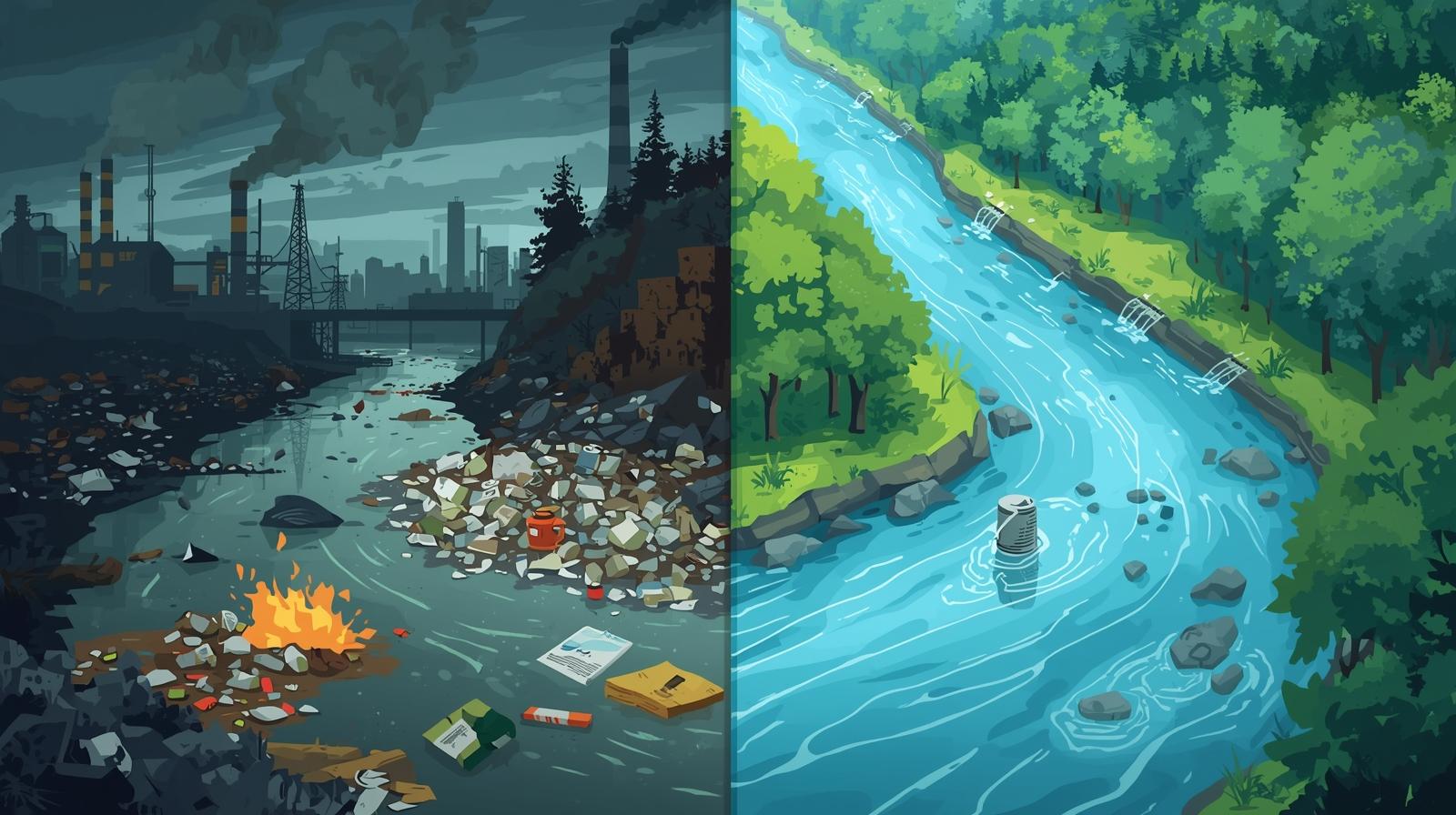
Water pollution is a significant environmental issue affecting ecosystems, human health, and economies worldwide. Understanding the causes of water contamination and identifying effective solutions are vital steps toward protecting our water resources for future generations.
Water pollution occurs when harmful substances—such as chemicals, waste, and microorganisms—contaminate water bodies, including rivers, lakes, oceans, and groundwater. This contamination can result from various human activities and natural processes, leading to adverse effects on aquatic life, human health, and the environment.
Water pollution can be categorized into different types based on the source and nature of the pollutants:
- Point Source Pollution: This type of pollution originates from a single, identifiable source, such as a factory or sewage treatment plant. It is relatively easier to manage and regulate because the source is known.
- Non-Point Source Pollution: Unlike point source pollution, non-point source pollution comes from multiple, diffuse sources. It includes runoff from agricultural fields, urban areas, and atmospheric deposition. This type of pollution is challenging to control due to its widespread nature.
- Transboundary Pollution: This occurs when pollutants from one country enter the water bodies of another, leading to international environmental issues.
Understanding the causes of water pollution is essential in devising effective strategies to combat it.
Agricultural practices contribute significantly to water pollution. The use of fertilizers, pesticides, and herbicides can lead to runoff, which carries these chemicals into nearby water bodies. This runoff can cause nutrient pollution, leading to the excessive growth of algae and depletion of oxygen in the water, a condition known as eutrophication.
Industries discharge various pollutants into water bodies, including heavy metals, chemicals, and toxic substances. These pollutants can harm aquatic life and pose health risks to humans consuming contaminated water.
Urban areas contribute to water pollution through stormwater runoff. When it rains, water flows over streets, parking lots, and rooftops, collecting pollutants like oil, grease, and debris. This polluted runoff can enter storm drains and eventually reach water bodies.
Improperly treated wastewater and sewage can introduce harmful microorganisms and nutrients into water bodies, leading to waterborne diseases and ecosystem disruption.
Plastic pollution is a growing concern for water bodies worldwide. Plastic waste, including bottles, bags, and microplastics, can harm marine life and disrupt aquatic ecosystems.
Water pollution has far-reaching consequences for the environment, human health, and economies.
Polluted water bodies can disrupt aquatic ecosystems, leading to the loss of biodiversity. Contaminants can accumulate in the food chain, affecting both aquatic and terrestrial organisms.
Contaminated water poses significant health risks to humans. Consuming or coming into contact with polluted water can lead to diseases such as cholera, dysentery, and hepatitis. Long-term exposure to certain chemicals in polluted water can also cause chronic health issues.

Water pollution can have severe economic impacts, particularly on industries reliant on clean water, such as fisheries and tourism. The cost of treating polluted water and addressing health issues can also burden economies.
Addressing water pollution requires a multifaceted approach involving governments, industries, and individuals.
Governments can implement and enforce regulations to limit the discharge of pollutants into water bodies. Establishing water quality standards and monitoring compliance are critical steps in reducing water contamination.
Encouraging sustainable farming practices can minimize agricultural runoff. Techniques such as precision farming, using organic fertilizers, and implementing buffer zones can help reduce nutrient and chemical runoff into water bodies.
Industries can adopt cleaner production methods and invest in wastewater treatment technologies to minimize their environmental impact. Proper disposal and recycling of industrial waste can also prevent water contamination.
Improving urban infrastructure can help manage stormwater runoff. Implementing green infrastructure, such as permeable pavements and rain gardens, can reduce the flow of pollutants into water bodies.
Reducing plastic waste through recycling and proper waste management practices can prevent plastic pollution in water bodies. Encouraging the use of biodegradable materials can also mitigate the impact of plastic waste.
Individuals play a crucial role in preventing water pollution. Here are some steps you can take:
- Proper Waste Disposal: Dispose of household waste and chemicals responsibly. Avoid flushing non-biodegradable items down the toilet.
- Conserve Water: Use water efficiently to reduce the amount of wastewater generated.
- Participate in Cleanups: Join community efforts to clean up local water bodies and raise awareness about water pollution.
- Educate and Advocate: Educate others about the importance of clean water and advocate for policies that protect water resources.
Water pollution is a complex issue that requires collective action to address effectively. By understanding its causes and impacts, and implementing sustainable practices, we can work towards cleaner water bodies and a healthier planet. Whether through regulatory measures, technological innovations, or individual actions, every effort counts in the fight against water pollution. Let’s commit to preserving our precious water resources for future generations.