Living near the coast has its perks — the fresh air, ocean views, and relaxing pace of life are hard to beat. But it also comes with unique challenges for homeowners. Salt air, high humidity, and sandy soil can take a toll on your plumbing and water systems over time. Pipes corrode faster, fixtures wear down, and leaks can develop without much warning.
That’s why coastal homeowners need to think about water efficiency a little differently. It’s not just about saving water — it’s about protecting your home and keeping your systems working longer.
Let’s look at some practical, easy-to-follow water efficiency tips designed specifically for coastal homes.
1. Find and Fix Hidden Leaks Early
If you live near the ocean, you know how moisture lingers in the air. That same moisture can speed up corrosion in pipes and fittings, especially in older homes. Over time, that leads to small leaks — the kind that quietly waste water and raise your bills without you noticing.
The best approach is to stay one step ahead. Keep an eye on your water meter, listen for running water when everything is off, and check under sinks and around walls for damp spots. Even minor leaks can waste hundreds of gallons a month.
The number one thing you’ll find in a leak detection playbook for coastal homes is the importance of prevention. It highlights simple steps like inspecting exposed pipes, monitoring humidity-prone areas, and fixing corroded fittings before they fail. These early habits help you stop waste before it starts and keep your home dry and efficient.
Staying alert to leaks is the foundation of water efficiency for coastal homes. Fixing small issues early can prevent bigger damage later — and save you a lot of money in the process.
2. Choose Fixtures Built for Coastal Conditions
Coastal environments are tough on metal, rubber, and plastic. Salt and humidity break down materials faster, which can lead to leaks, low water pressure, and wasted water. Upgrading to high-quality, water-efficient fixtures made for humid climates is a smart move.
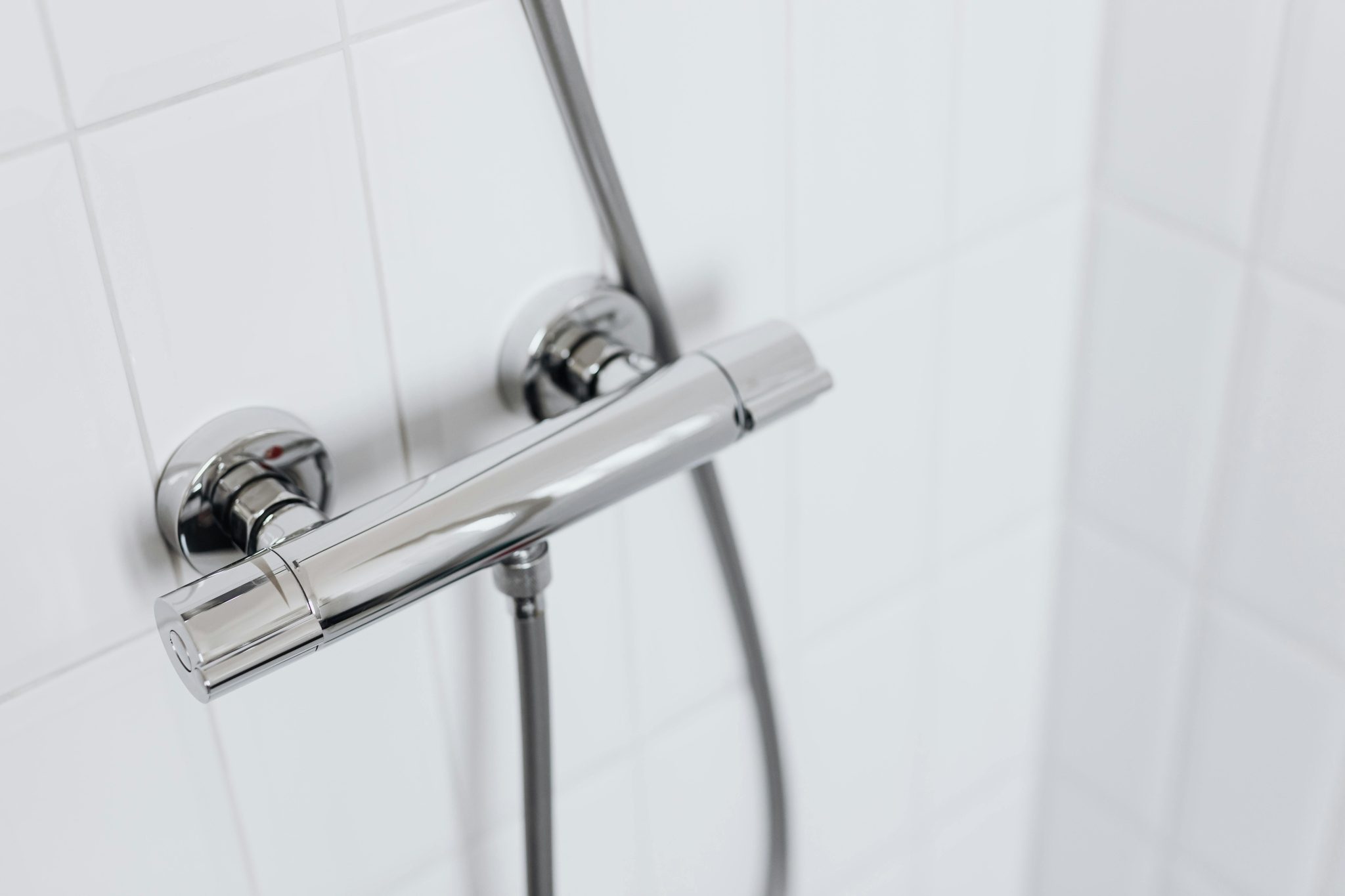
Low-flow faucets, dual-flush toilets, and efficient showerheads can reduce your water use by up to 50% while maintaining strong pressure. Look for WaterSense-certified products. They’re tested to save water without losing performance.
Replacing old fixtures not only improves efficiency but also helps prevent corrosion-related problems that are common in coastal areas.
3. Maintain Appliances for Maximum Efficiency
Appliances like dishwashers and washing machines play a big role in your home’s water use. Coastal air and mineral buildup can wear out hoses, seals, and filters faster than expected.
Make a habit of cleaning filters, checking for leaks, and running appliances only when full. Many new models come with eco or low-water settings that reduce water and energy use automatically.
If your appliances are more than ten years old, upgrading to newer, energy-efficient models can cut water use dramatically. It’s an investment that pays off through lower utility bills and longer-lasting performance.
4. Manage Outdoor Water Wisely
Outdoor water use often spikes in coastal areas, especially for lawns and gardens. The sandy soil drains quickly, which means plants dry out faster. Still, you can keep your yard green without wasting water.
Water early in the morning or late in the evening to limit evaporation. Use mulch to help soil retain moisture longer. Native plants are another great choice — they’re adapted to your local conditions and need less water to thrive.
A drip irrigation system is one of the most efficient ways to water plants, as it sends water directly to the roots. You can also use rain barrels to collect water for gardens and outdoor cleaning. These small changes make a big impact on water use.
5. Develop Smart Water Habits Indoors
Small daily changes can make a big difference. Turn off the tap while brushing your teeth. Take shorter showers. Use a bowl of water for rinsing vegetables instead of running the faucet nonstop.
These habits are simple but effective. If you have a large family, consider tracking your water use as a group challenge. Setting small goals — like cutting total use by 10% — helps keep everyone motivated.
The key is consistency. Once these habits become routine, you’ll notice a steady drop in your water bill and less wear on your plumbing system.
6. Use Smart Water Technology
Smart home tools can help coastal homeowners manage water use more efficiently. Leak sensors, automatic shut-off valves, and digital water meters can detect problems instantly — even while you’re away.
Some systems send alerts to your phone if water use spikes suddenly, signaling a leak or burst pipe. That’s especially useful in second homes or vacation properties that sit empty for parts of the year.
These devices may cost a bit upfront, but they protect your home from costly water damage and help track usage over time. For coastal living, that’s peace of mind worth having.
7. Reuse and Recycle Water When Possible
Reusing water may sound complicated, but it’s easier than you think. In many homes, greywater systems collect water from sinks, showers, or laundry and reuse it for outdoor irrigation. This reduces strain on local water supplies and lowers your water bill.
Before installing a greywater system, check local codes, since some states have specific rules for reuse. Even without a full system, you can reuse water in small ways. For example, collect clean rinse water from washing fruits and use it on houseplants.
It’s a simple way to stretch your water use without much effort.
Water efficiency in coastal homes isn’t just about lowering bills — it’s about protecting your home and the environment. Salt air, humidity, and coastal weather can be tough on plumbing systems, but regular care and smart habits make a huge difference.
Start small. Fix a drip. Install a low-flow showerhead. Adjust your watering schedule. Each step helps your home last longer and reduces your impact on local resources.
Coastal living comes with its challenges, but with a little effort, you can make your home more efficient, more resilient, and better prepared for the long run.