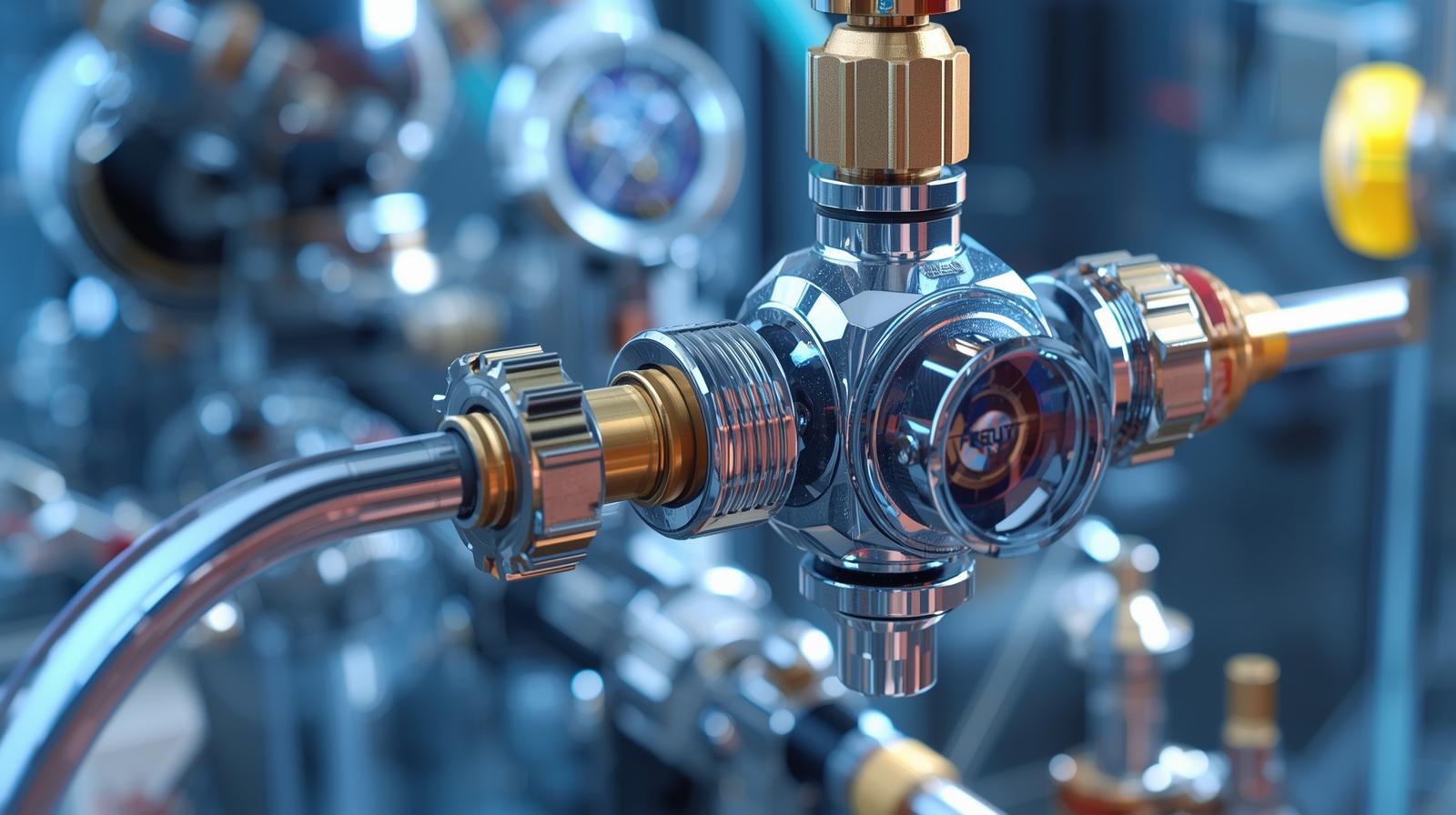
CO2 regulators play a crucial role across various industries. You’ll commonly find them in beverage production facilities, greenhouses, and welding workshops. To get good results, you need to control how much CO2 comes out. This helps things go smoothly and gives steady results. A CO2 regulator works by lowering the high pressure from the cylinder. It then lets out the gas in a way you can use. How well it does this can really change how things turn out.
Why Flow Control Matters
CO2 is the most compressed gas, so it needs to be handled carefully in industries. If the flow is too high, you may waste gas, hurt the way things work, or put people at risk.
If the flow is too low, you may not get good results. For example, drinks will not have enough bubbles, plants will not get enough help, or welds may not be strong. Good flow control helps make sure you use the right amount of CO2 each time. This protects equipment, helps give a better result, and keeps costs from going higher.
The Role of CO2 Regulators
A regulator is the main link between the CO2 cylinder and the system that uses the gas. The regulator lowers the pressure, making it safe to use and easy to control during the job.
Most of the new co2 regulator for sale have gauges, dials, or screens. These help you check both the tank pressure and the flow rate. Because of this, people feel sure that everything is running safely and in the right way while working in industry-based places.
Applications That Depend on Accuracy
Different industries need the right CO2 flow to reach their goals. In the beverage dispensing industry, the way CO2 flows changes how a drink tastes and feels. In horticulture based factories, plants need the correct amount of CO2 to grow better and to produce more.
In the welding section, if the gas flow is wrong, it can make the joints weaker or cause problems with contamination. These examples show that getting CO2 flow right is very important, not just a choice.
Key Benefits of Accurate Flow Control
When you design and look after CO2 regulators the right way, they can give many good things to several industries:
- Saving on costs is possible when you lower gas waste, especially when you have a lot of things to do.
- A steady process makes sure the final results, like in drinks, plants, or welding work, are the same each time and you can trust it.
- A smooth flow prevents too much pressure on the parts that are used. It helps machines and tools last much longer.
- There is less danger from high pressure or quick gas leaks, so people stay safe.
These benefits work together to help things run better in any process where CO2 is used. This can lead to good results for your work.
Choosing the Right Regulator
Not all CO2 regulators are the same. The best choice for you can be different and depends on the way you want to use it, the flow rates you need, and what you want it to do.
A dual-gauge regulator is often picked by people because it shows you both the cylinder pressure and the output pressure. This helps you keep a closer eye on things. The parts set in to build the regulator and how strong it is will also help to make sure it works well and stays steady for a long time.
Maintenance and Calibration for Reliability
Even the best regulators continuously need regular checks to keep things working the right way. Over time, parts can wear out and change how steady the flow is. It is important to check, clean, and readjust these regulators often. Taking care of simple tasks, such as looking for leaks in the seals or changing old parts, helps make sure the flow stays steady and reliable.
Getting the flow right with CO2 regulators is the key to good results, safety, and saving money in many jobs. A well-set co2 regulator for sale helps you make sure drinks get the right bubbles, welding works well, and plants grow better. Simply put, getting the flow right is not only a small thing to think about. It is the main thing that helps you get the best from your CO2 uses.