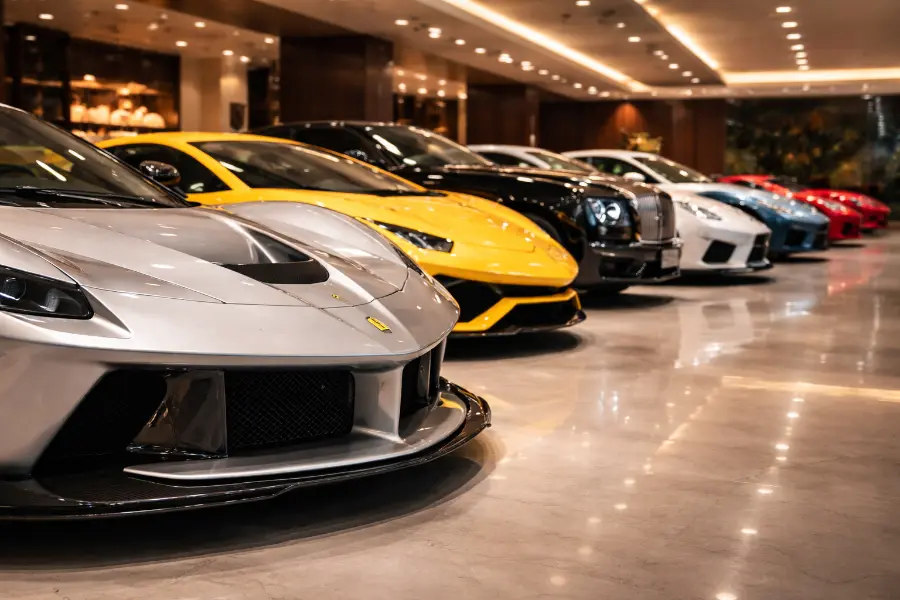
In today’s evolving wealth landscape, ultra-luxury assets are no longer confined to real estate, art, or equities. Increasingly, high-net-worth individuals are turning their attention to Ultra Luxury Cars That Keep Their Value—not just as symbols of status, but as strategic investments. What was once considered a depreciating indulgence is now, in select cases, a appreciating asset class.
The shift is driven by a combination of limited production runs, global collector demand, and the emotional appeal of owning automotive masterpieces. Iconic marques like Ferrari and Rolls-Royce have proven that exclusivity and heritage can translate directly into long-term value retention and sometimes, impressive returns.
Moreover, the 2026 luxury car market is witnessing a surge in investor-grade vehicles, particularly limited-edition hypercars and rare performance variants. Consequently, understanding which vehicles hold their value and why has become essential for collectors aiming to balance passion with profit.
Why Ultra-Luxury Cars Are Becoming Investment Assets?
The perception of luxury cars has evolved dramatically over the past decade. Traditionally, vehicles depreciated the moment they left the showroom. However, certain ultra-luxury models have defied this norm, behaving more like collectible assets than consumer goods.
One key reason is scarcity. Brands like Lamborghini and Porsche deliberately limit production, creating artificial scarcity that fuels demand. As a result, buyers are often willing to pay premiums in secondary markets.
Additionally, globalization has expanded the collector base. Wealthy buyers from emerging markets now compete with traditional collectors in Europe and North America. Therefore, demand remains consistently high, even during economic fluctuations.
Moreover, ultra-luxury cars offer a unique dual return: financial and experiential. Unlike stocks or bonds, these assets can be driven, showcased, and enjoyed making them particularly attractive to millionaire collectors.
Automotive Appreciation vs Depreciation
Understanding the difference between appreciation and depreciation is critical when evaluating Ultra Luxury Cars That Keep Their Value. Most vehicles lose value over time due to wear, technological obsolescence, and market saturation. However, select models reverse this trend.
Appreciation occurs when demand exceeds supply, particularly for rare or historically significant vehicles. For instance, limited-run Ferraris often increase in value within just a few years. Conversely, mass-produced luxury cars typically depreciate rapidly due to higher availability.
However, appreciation is not guaranteed. Market sentiment, brand reputation, and macroeconomic conditions all play a role. Consequently, investors must carefully analyze trends rather than assume all luxury cars will perform similarly.
Furthermore, timing is crucial. Buying at the right moment often before a model becomes widely recognized as collectible can significantly impact long-term returns.
Key Brands Known for Value Retention
Ferrari: The Gold Standard of Automotive Investment
Ferrari stands as the benchmark for value retention in the automotive world. The brand’s strategy of limited production ensures that demand consistently outpaces supply.
Models like the LaFerrari and special series vehicles are often sold exclusively to loyal clients, creating an elite ownership circle. Therefore, resale values remain exceptionally strong.
Moreover, Ferrari’s racing heritage and brand prestige further enhance its appeal among collectors. As a result, many models appreciate significantly within a decade.
Rolls-Royce: Timeless Luxury and Exclusivity
Rolls-Royce focuses less on performance and more on craftsmanship and exclusivity. While not all models appreciate, flagship vehicles with bespoke specifications often retain value remarkably well.
Additionally, Rolls-Royce vehicles age differently compared to performance cars. Their timeless design ensures they remain desirable for decades. Consequently, collectors often view them as long-term assets rather than short-term investments.
Mercedes-AMG: Performance Meets Prestige
Mercedes-AMG combines engineering excellence with strong brand equity. Limited-production AMG models, particularly those with unique engines or design features, tend to hold value better than standard luxury sedans.
Moreover, enthusiast demand plays a significant role. AMG vehicles often appeal to performance-focused buyers, creating a robust resale market.
Porsche: Consistent Resale Strength
Porsche is widely regarded as one of the most reliable brands for value retention. Models like the 911, especially GT variants, maintain strong resale values due to their performance, reliability, and timeless design.
Furthermore, Porsche’s consistent engineering philosophy ensures that older models remain relevant. Therefore, they attract both collectors and driving enthusiasts.
Lamborghini: Design and Limited Editions
Lamborghini excels in producing visually striking vehicles with limited production runs. Special editions often become instant collectibles, commanding high resale prices.
However, not all Lamborghini models perform equally. Limited editions and rare specifications tend to outperform standard production models significantly.
Read also: 2026 Tesla Model 3 Review: Specs & Pricing Explained
Factors That Determine Value Retention
Several critical factors influence whether a luxury car retains or increases its value. Understanding these elements is essential for making informed investment decisions.
- Limited Production Numbers
Scarcity drives demand. The fewer units produced, the higher the potential value. - Brand Heritage and Demand
Established brands with strong reputations attract consistent buyer interest. - Condition, Mileage, and Originality
Low mileage and factory-original condition significantly boost resale value. - Special Editions and Rare Specifications
Unique color combinations, bespoke interiors, and limited trims enhance desirability.
Moreover, documentation plays a vital role. Complete service records and original paperwork can substantially increase a vehicle’s market value.
Brand vs Value Retention Strength
| Brand | Value Retention Strength | Key Reason |
|---|---|---|
| Ferrari | Very High | Limited production, global demand |
| Rolls-Royce | High | Timeless design, exclusivity |
| Porsche | Very High | Strong enthusiast market |
| Lamborghini | High | Limited editions, bold design |
| Mercedes-AMG | Moderate to High | Performance appeal, brand equity |
Types of Cars That Perform Best as Investments
Not all luxury cars are created equal when it comes to investment potential. Certain categories consistently outperform others.
Limited-Edition Hypercars
Hypercars produced in extremely limited numbers often appreciate rapidly. These vehicles are typically pre-sold to elite clients, ensuring immediate scarcity.
Classic Luxury Models
Older models with historical significance can become highly valuable over time. Moreover, nostalgia and rarity drive demand among collectors.
High-Performance Variants
Special performance versions, particularly from brands like Porsche and Mercedes-AMG, tend to retain value due to enthusiast demand.
Additionally, cars with unique engineering features—such as naturally aspirated engines in an era shifting toward electrification are gaining attention.
Read also: Classic Gem: 1971 Charger SE Triple Black With 440 Engine
Examples of Appreciating or Stable-Value Cars
Several models have demonstrated strong performance in the resale market:
- Ferrari limited-series models (e.g., LaFerrari)
- Porsche 911 GT variants
- Lamborghini Aventador special editions
- Mercedes-AMG Black Series models
These vehicles share common traits: exclusivity, strong brand identity, and high demand among collectors.
Risks of Investing in Luxury Cars
Despite their potential, investing in ultra-luxury cars carries inherent risks. Unlike traditional assets, vehicles require ongoing maintenance and care.
One major risk is market volatility. Trends can shift quickly, affecting demand and pricing. Moreover, economic downturns may reduce buyer interest in high-value collectibles.
Liquidity is another concern. Selling a luxury car can take time, particularly if the market is saturated or demand is low.
Additionally, maintenance costs can be substantial. Therefore, investors must factor in ownership expenses when calculating potential returns.
Cost of Ownership vs Long-Term Value
Owning ultra-luxury cars involves significant costs, including:
- Maintenance and servicing
- Insurance premiums
- Storage and security
- Depreciation (for non-collectible models)
However, for the right vehicles, these costs can be offset by long-term appreciation. Consequently, the key is selecting models with strong investment potential.
How Millionaires Build Car Collections Strategically?
High-net-worth collectors approach car investments with precision and strategy. They often diversify their collections across brands, eras, and vehicle types.
Moreover, they prioritize:
- Rare and limited-production models
- Vehicles with historical significance
- Cars with complete documentation
Storage is equally critical. Climate-controlled environments help preserve condition, ensuring maximum resale value.
Furthermore, professional maintenance and regular servicing are essential. Even minor neglect can significantly impact a vehicle’s worth.
Read also: 2026 Hyundai Kona Review: Stylish, Practical, but Not Sporty
Investment Factor vs Impact on Resale Value
| Investment Factor | Impact Level | Description |
|---|---|---|
| Production Volume | Very High | Lower production increases rarity |
| Brand Reputation | High | Strong brands attract consistent demand |
| Condition & Mileage | Very High | Better condition equals higher resale value |
| Documentation | High | Complete records boost buyer confidence |
| Market Trends | Moderate | Influences short-term pricing fluctuations |
Market Trends in 2026
The ultra-luxury car market in 2026 is evolving rapidly. One notable trend is the growing demand for collectible vehicles, particularly those with unique engineering or historical significance.
Additionally, there is a shift toward hybrid and electric performance vehicles. Brands are introducing electrified models, which may become future collectibles as the industry transitions away from traditional combustion engines.
Moreover, younger collectors are entering the market, bringing new preferences and investment strategies. Consequently, demand patterns are becoming more dynamic and diverse.
Emotional vs Financial Returns
Investing in Ultra Luxury Cars That Keep Their Value is not purely a financial decision. Emotional returns play a significant role in the appeal of these assets.
Owning a Ferrari or Rolls-Royce offers a sense of prestige and personal satisfaction that cannot be quantified. Moreover, the driving experience itself is a unique reward.
However, balancing emotional enjoyment with financial discipline is essential. Successful collectors understand when to drive their carsand when to preserve them for future value.
FAQs
Which luxury cars hold their value best?
Brands like Ferrari, Porsche, and limited-edition Lamborghini models consistently demonstrate strong value retention due to demand and exclusivity.
Are luxury cars good investments?
They can be, particularly rare or limited-production models. However, careful selection and market knowledge are essential.
What makes a car appreciate in value?
Factors include rarity, brand reputation, condition, and collector demand. Limited production models often perform best.
How do you maintain resale value?
Maintain low mileage, keep the car in original condition, store it properly, and retain all documentation and service records.
Is it better to buy new or pre-owned?
It depends. New limited-edition models can appreciate quickly, while pre-owned classics may already have proven value stability.