Oil powers everything from transportation networks to manufacturing processes, so when oil prices spike, the ripple effects extend far beyond energy companies, creating winners and losers across virtually every sector of the business world.
Transportation and Logistics
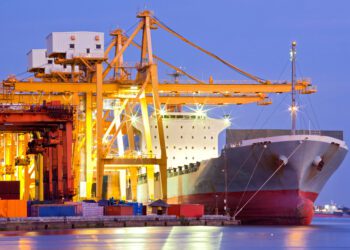
The transportation industry suffers the most when oil prices swing dramatically. Airlines face particularly acute pressure, as fuel costs can represent 20-30% of their operating expenses. A sudden leap in crude oil prices can transform profitable routes into loss-makers overnight, forcing carriers to implement fuel surcharges or reduce capacity. Similarly, trucking companies and shipping firms must constantly adjust their pricing strategies to maintain margins, often passing increased costs onto consumers through higher delivery fees.
The logistics sector experiences cascading effects as companies reassess their supply chain strategies. When fuel costs rise, businesses may shift from just-in-time delivery models to more localized sourcing, fundamentally altering established trade relationships and inventory management practices.
Manufacturing Sectors
Energy-intensive sectors like steel, aluminum, and chemical production may see their input costs rise directly with crude prices, squeezing profit margins and potentially making their products less competitive globally. Petrochemical companies, which use oil as both fuel and raw material, must navigate particularly complex pricing dynamics.
Some manufacturers, however, benefit from lower oil prices through reduced transportation and energy costs, allowing them to either improve margins or pass on savings to customers. The automotive industry is a good example, as lower fuel costs can boost consumer demand for larger vehicles while simultaneously reducing production expenses.
Consumer Spending Patterns Shift
Oil prices significantly influence consumer behavior and disposable income because when gasoline prices rise, households allocate more of their budgets to transportation, reducing spending on discretionary items like dining, entertainment, and retail purchases. This shift particularly impacts businesses in the service sector, from restaurants to shopping centers.
Lower oil prices generally act as an economic stimulus, effectively giving consumers additional spending power, and retailers may see increased foot traffic and higher sales volumes during periods of declining fuel costs, as families find themselves with more disposable income for non-essential purchases.
Regional Economic Variations
The geographic impact of oil price swings can vary dramatically based on regional economic structures. Oil-producing regions like Texas, North Dakota, and Alberta experience boom-and-bust cycles that affect everything from real estate markets to local banking systems, and if crude prices collapse, these areas can suffer unemployment, declining property values, and stressed financial institutions.
It’s a different story for regions heavily dependent on manufacturing or service industries, as they typically benefit from lower energy costs, experiencing economic growth when oil prices decline.
Strategic Business Adaptations
Smart businesses can hedge against oil price volatility by using various strategies, with lots of companies using financial instruments to lock in fuel costs, thus reducing their exposure to sudden price spikes. Others have invested heavily in energy efficiency improvements or alternative energy sources to reduce their dependence on volatile fossil fuel markets.
The ongoing transition toward renewable energy and electric vehicles represents a long-term strategic response to oil price uncertainty, as businesses seek to insulate themselves from future petroleum market volatility while potentially gaining competitive advantages in emerging green markets.
Understanding these interconnected impacts helps business leaders make more informed decisions in an increasingly volatile energy landscape.