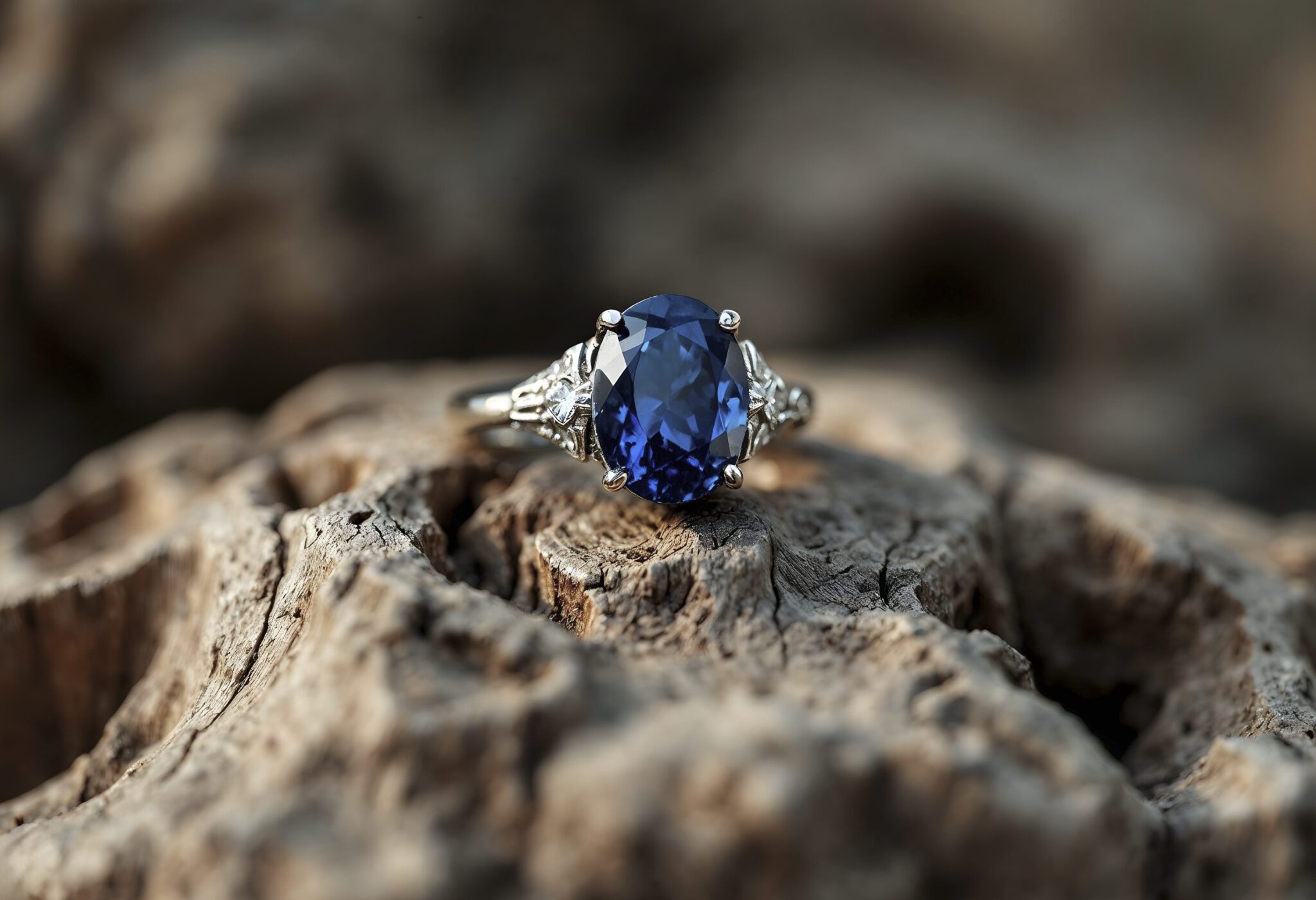
Stones have always been more than just decorative—they’re powerful markers of personal and family identity. For centuries, people have used gemstones and fine jewelry to honor heritage, celebrate milestones, and tell meaningful stories. In the world of modern luxury, connecting with these stories is more relevant than ever. Fine stones don’t just symbolize status—they honor history, forge personal connections, and keep family narratives alive in a tangible way.
How to Connect: Turning Stones into Your Heritage Anchor
Luxury jewelry and important gemstones are most meaningful when they serve as a bridge to your own family or cultural legacy. Here’s how you can move beyond simply collecting and start turning stones into active parts of your personal heritage:
- Document Provenance: Collect and keep certificates, receipts, family letters, and old photos related to each piece. Know its full story, not just its price.
- Research Symbolism: Explore what certain stones mean within your culture or heritage. Sapphires, for instance, often symbolize wisdom and loyalty while jade may mean protection or luck in other traditions.
- Commission Custom Work: Work with a jeweler to design or reset a stone with details that reflect your family story, region, or values.
- Preserve for Future Generations: Create heirloom intentions. Make plans for how and when each piece will be passed on—perhaps marking a coming of age, a graduation, or a wedding.
- Host Storytelling Evenings: Research confirms that heirlooms play a significant role in telling a family’s story, values, and interpersonal relationships. If you are so lucky to have inherited heirlooms, be sure to gather family members for special occasions and share their background. You may even record those sessions for your children or grandchildren.
- Include Stones in Major Life Events: Wear, present, or display your jewelry with intention. Let pieces become the physical record at weddings, achievements, or charitable events.
- Invest with Meaning: When expanding your collection, focus on stones or pieces with stories—be it famous origins, historic craftsmanship, or connections to family ancestry.
How to Use Stones as Vessels of Heritage
Mark Family Milestones and Traditions
Use gemstones and fine jewelry to celebrate key family events, such as weddings, graduations, or anniversaries. Document each occasion in a family journal or with photos, noting who wore or received the piece, and what the moment meant to your family. Keeping these records over generations gives added meaning to the stone, turning it into a true family heirloom.
Connect Stones to Regional or Cultural Heritage
Select stones that originate from regions tied to your ancestry, or whose traditional meanings resonate with your background. Spend time researching their origins and the cultural, historical, or spiritual significance in your community.
Celebrate Personal Achievements and Life Stories
Commission or personalize jewelry with stones to commemorate special achievements or turning points in life—like a career milestone, academic accomplishment, or personal goal. Add custom engravings, dates, or symbols that are meaningful to you or your family. In this way, the stone becomes not just a decorative item, but a tangible reminder of growth, resilience, and legacy.
Researching Your Stone’s Story
Digging deeper into the story behind a stone transforms it from just an accessory into a living piece of history. Knowing who mined it, the traditions around it, and its cultural or historic journey can make any gem more meaningful. Take time to ask questions: Who sourced the stone? What region or mine does it come from? Has it played a role in any historical event or been owned by a notable figure? These details add not just value, but real connection.
There are several ways to uncover your stone’s full story:
- Visit the region or mine where the stone originated and connect with local experts.
- Look up the gem’s certification, documents, and any historic owners or previous settings.
- Attend exhibitions or public lectures focused on renowned gems and their backgrounds.
- Check out high-profile auctions where rare stones come with detailed provenance records and press coverage—for example, seeing firsthand the documentation for an ultrarare Kashmir Sapphire ring.
The effort you put into researching and understanding your gem’s history ensures it becomes a bridge between your contemporary life and the heritage and journeys that shaped it. This not only enriches your personal experience but also gives you a compelling story to share with future generations.
Using Stones to Connect in Daily Life
Wearing with Intention
Instead of locking pieces in a safe, make a habit of wearing them during family ceremonies, significant work events, or anniversaries. This is not just about elevating your style with jewelry, which stones do wonderfully, it is also about letting each occasion add a layer to the object’s story.
Building Collections Around Heritage
Start small if new to collecting. Choose stones from regions tied to your family history, or select ones linked to values (wisdom, endurance, love) that you want your family to honor. As your collection grows, keep detailed notes or create a digital album with photos and short descriptions of each piece’s origin and meaning.
Make It Part of a Philanthropic or Community Legacy
Some modern collectors choose to link their collections to charitable or community efforts—loaning rare gems to museums for public exhibitions, or correlating important life milestones with donations or awareness campaigns linked to their heritage.
Conclusion: Making Modern Luxury Timeless
In today’s luxury market, stones don’t just serve as trophies—they are living chapters in family and cultural history. By documenting, wearing, and sharing the stories behind precious gems, you can elevate their meaning for yourself and the generations to come.
Whether you inherit a simple family ring, commission a unique piece, or invest in a rare ring, remember: the power of these stones isn’t just in their value, but in the stories they help tell, and the heritage they help preserve.