By Jim White
One hundred years ago, Louis B. Mayer of MGM fame, along with several of his cinema colleagues, came up with the idea of forming The Academy of Motion Picture Arts and Sciences. The original awards were just that, awards. You won an award. Later, you won an Academy Award.
Where the name “Oscar” came from has many origin stories. The statuette, designed by Cedric Gibbons, was said—according to Bette Davis—to “look like my uncle Oscar,” thereby baptizing the statue with its now-famous nickname.
Over the past ninety-eight years, some 3,000 awards have been handed out, some more deserved than others. This year alone, more than one billion people (that’s billion with a B) oohed and aahed and said, “Not her again!” or “How did they not pick him?” You can’t please everyone. For every winner, there are non-winners—or “losers.”
While many focus on the red carpet and the performers who heap praise on their peers (often hoping for praise in return), it’s worth remembering that not every deserving talent takes home gold.
Let me present a few incredibly talented performers whom Oscar ignored.
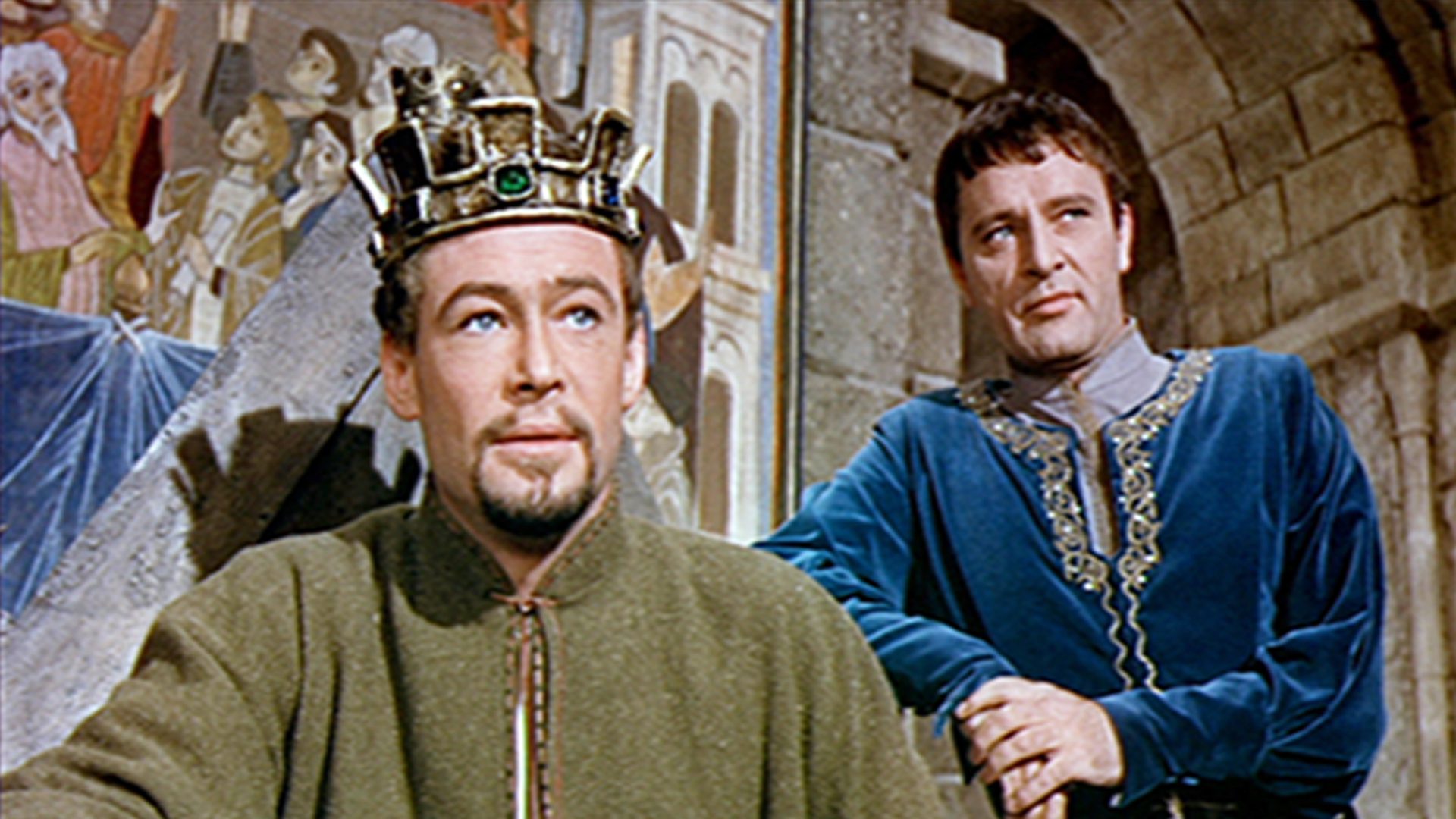
Take, for example, the 1964 film Becket, starring two of the British Empire’s greatest English-speaking actors: Peter O’Toole and Richard Burton. Both men were nominated for Best Actor—and neither won. That is not the true tragedy. The tragedy lies in the fact that, between them, they hold the record for the most Best Actor nominations without a single victory.
Over their careers, Peter O’Toole garnered eight nominations and Burton six. To add insult to injury, Burton was nominated early in his career, in 1952, for Best Supporting Actor for My Cousin Rachel—and did not win. That makes a total of fifteen nominations between them, with zero wins.
The ladies are not to be outdone.
Consider Scottish-born Deborah Kerr, a wonderful actress upon whom, in 1994, the Academy bestowed an Honorary Award, calling her “an artist of impeccable grace and beauty, a dedicated actress whose career has always stood for perfection, discipline, and elegance.”
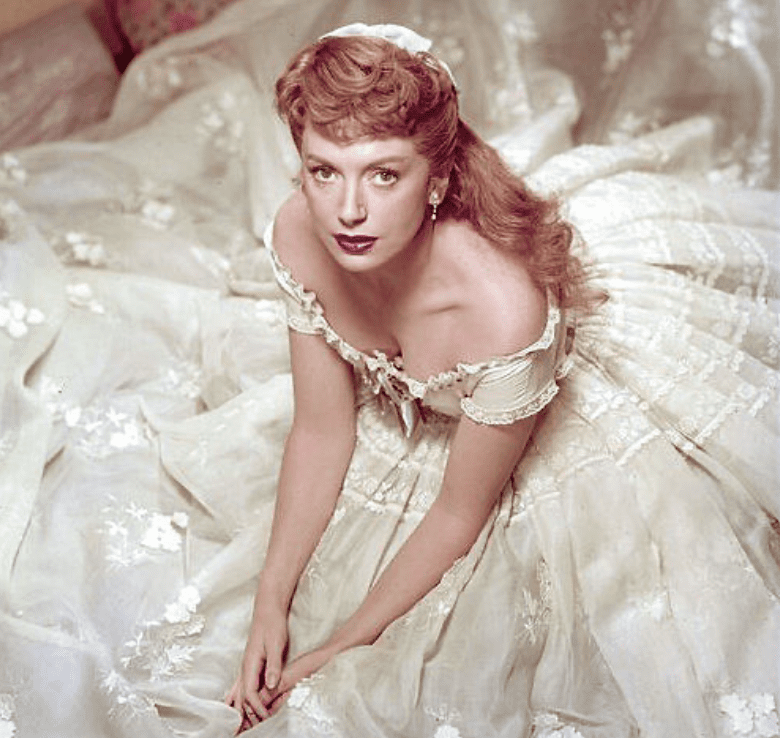
Deborah Kerr was nominated six times for Best Actress—and never won. She holds the record for the most Best Actress nominations without a win.
Thelma Ritter shared a similar fate, holding the record for the most Best Supporting Actress nominations without a win, totaling six. There was no honorary award for Thelma.
A quick quiz: Which of the following never won an Academy Award—Sigourney Weaver, Alfred Hitchcock, Meg Ryan, Cary Grant, or Stanley Tucci?
Answer: None of them ever won an Academy Award.
Sharing the stage with Kerr and Ritter in the “most nominations without a win” category is one of today’s finest actresses, Glenn Close. A Connecticut native in the spirit of Katharine Hepburn, Close has been nominated four times for Best Actress and four times for Best Supporting Actress. Still active, she may yet rid herself of this dubious distinction.
Films, too, have suffered the famous Oscar snub.
Lady Luck did not smile on Steven Spielberg at the 1985 awards ceremony. Though his groundbreaking film The Color Purple was nominated for eleven awards in ten categories—including Best Actress for Whoopi Goldberg and two Best Supporting Actress nominations for Margaret Avery and Oprah Winfrey—Spielberg himself was not nominated for Best Director. Even more astonishing, the film won none of its eleven nominations.
It shares that unfortunate distinction with The Turning Point (1977), directed by Herbert Ross, which also received eleven nominations without a win. The film starred Shirley MacLaine and Anne Bancroft, both nominated in the Best Actress category.
Finally, there is the case of Mutiny on the Bounty (1935). This sea epic, directed by Frank Lloyd, starred Clark Gable as Fletcher Christian, Charles Laughton as the prickly Captain Bligh, and Franchot Tone in a supporting role. At the time, there was no Best Supporting Actor category, so Tone was nominated for Best Actor.
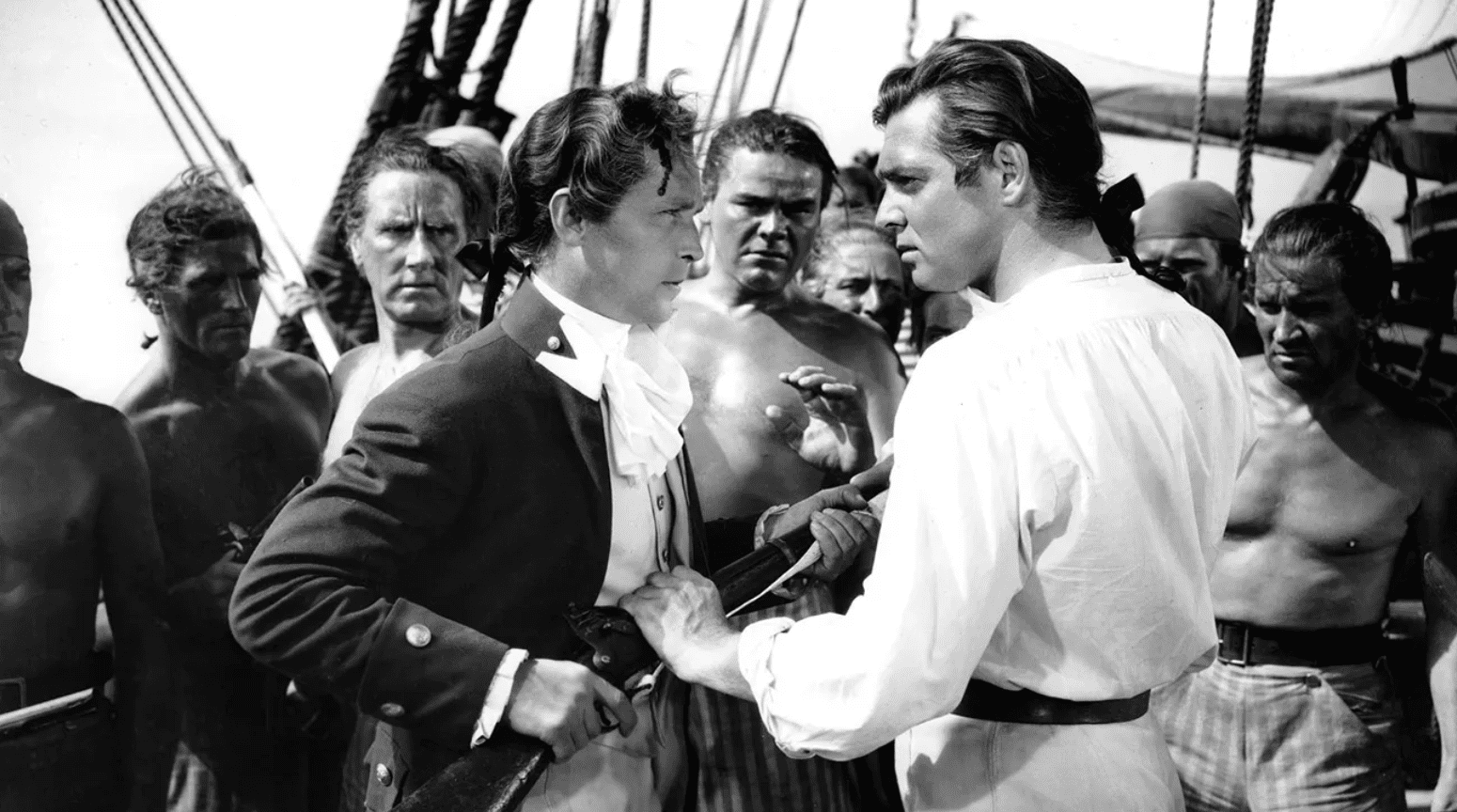 This remains the only time in Academy history that three male stars were nominated in the same acting category for the same film. All three performances were passed over in favor of Victor McLaglen’s portrayal of the Irish traitor Gypo Nolan in John Ford’s The Informer.
About the Author
Jim White is a nationally syndicated trivia writer and, by day, a founding partner of the Compass Group at Morgan Stanley.