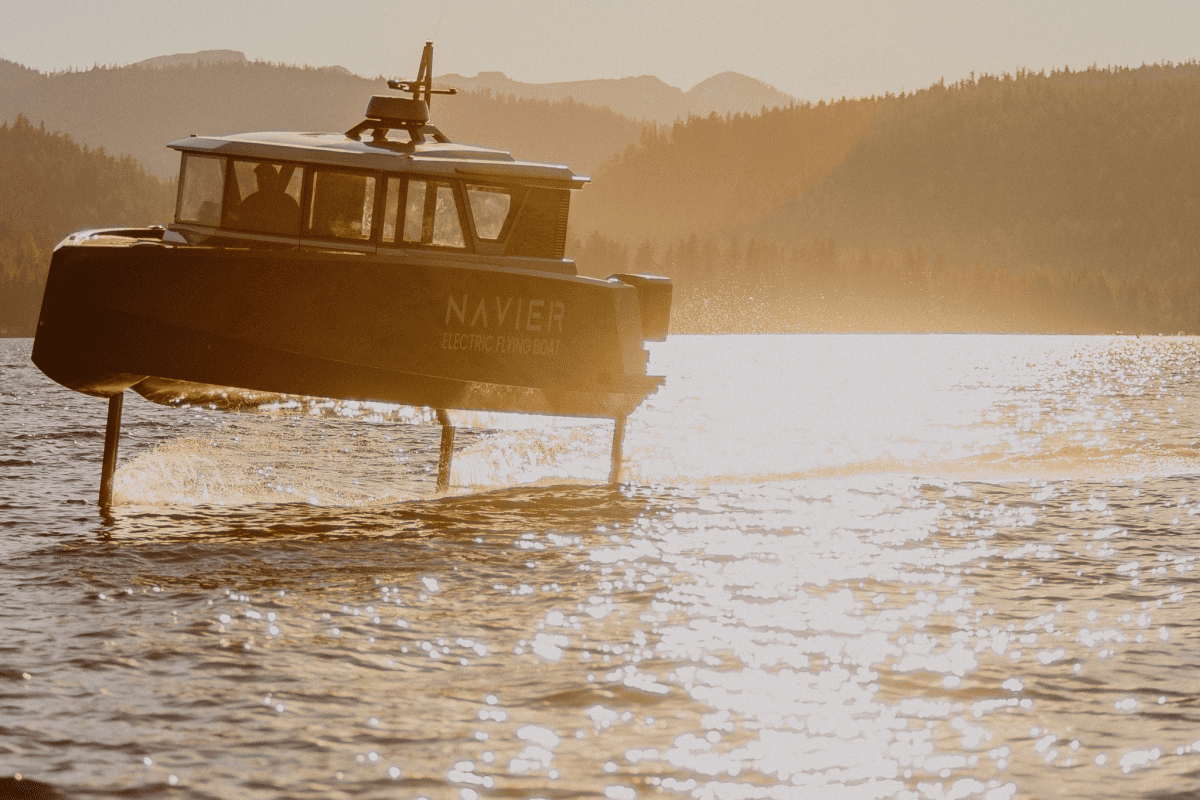
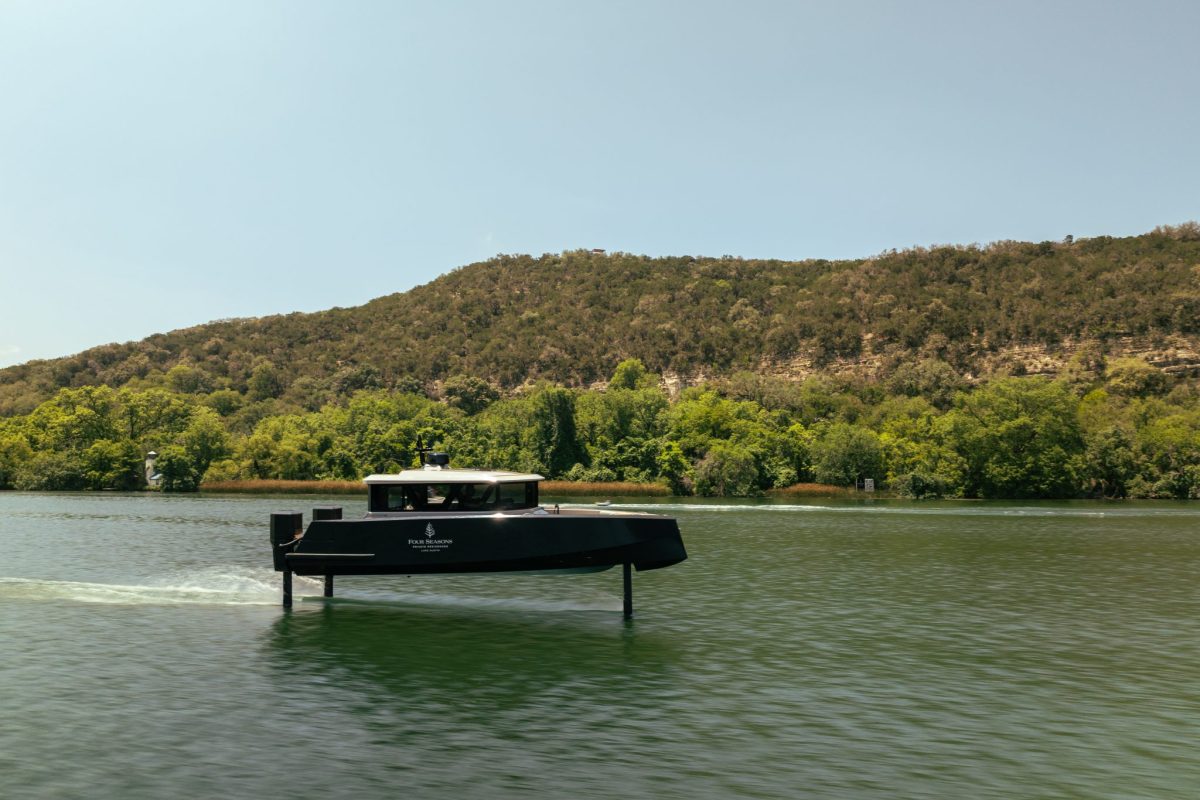
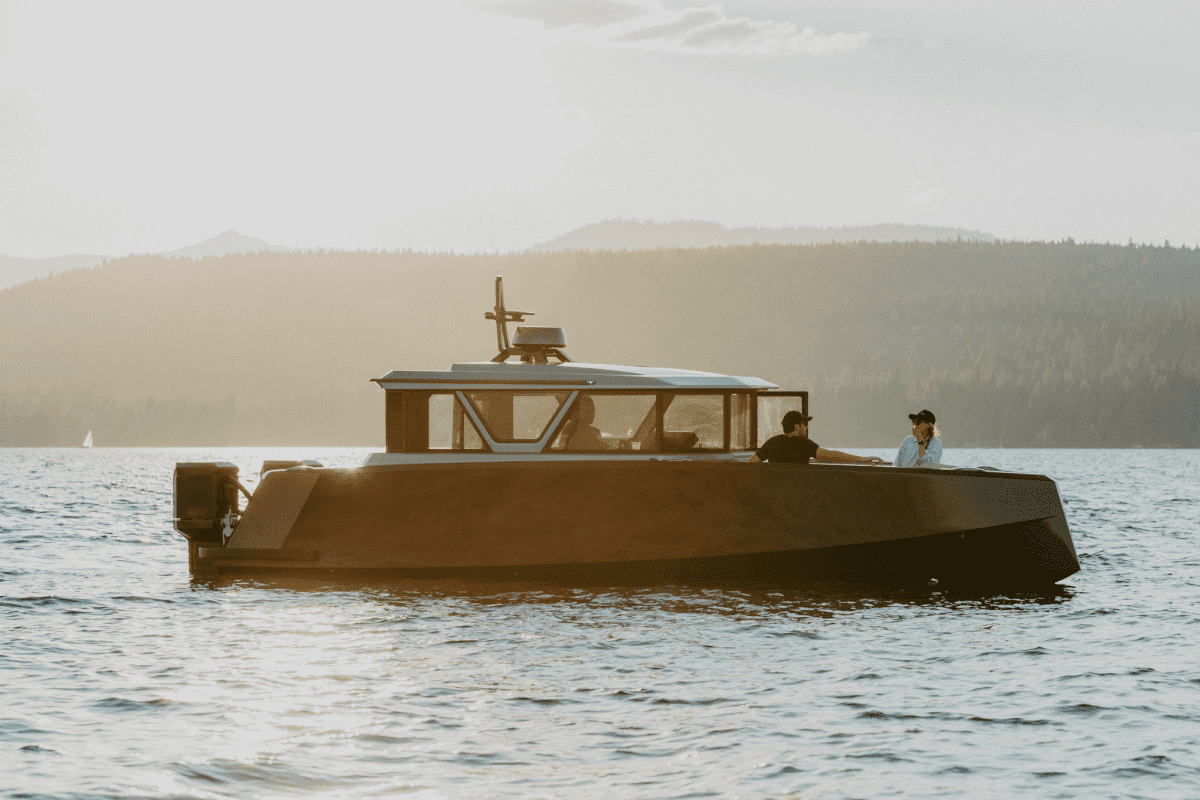
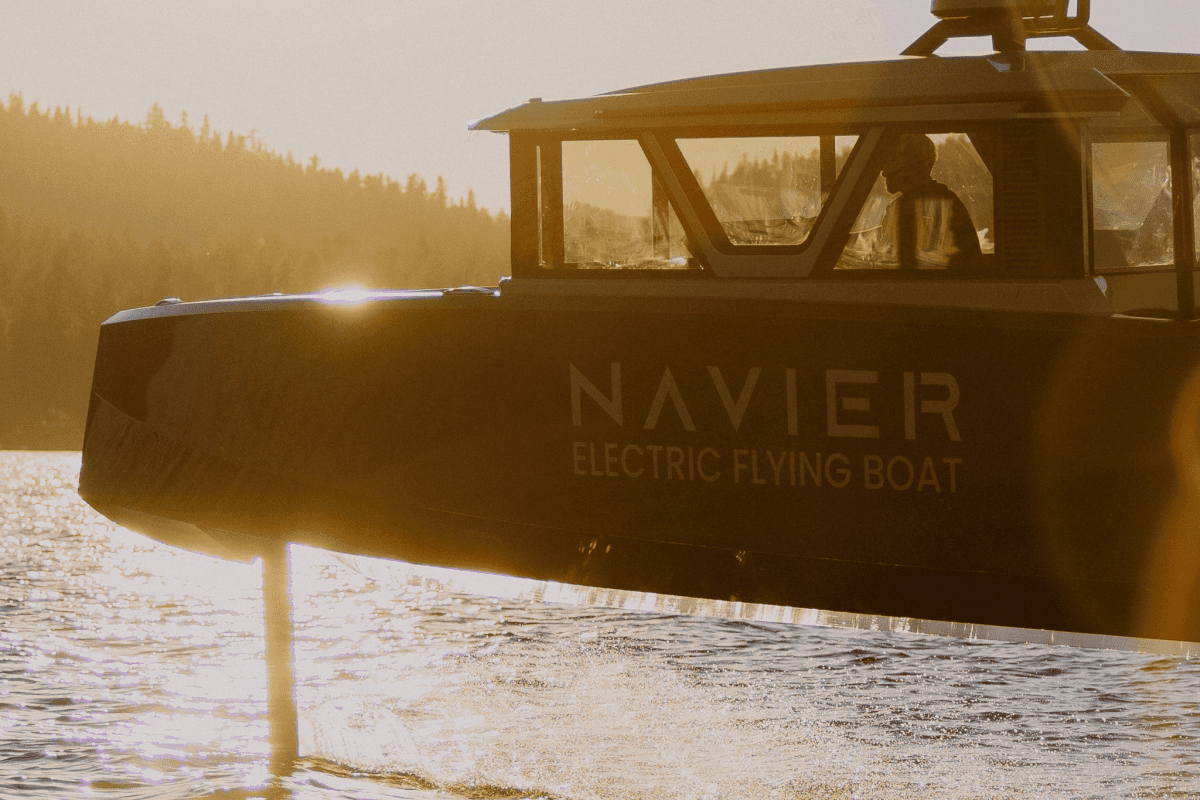
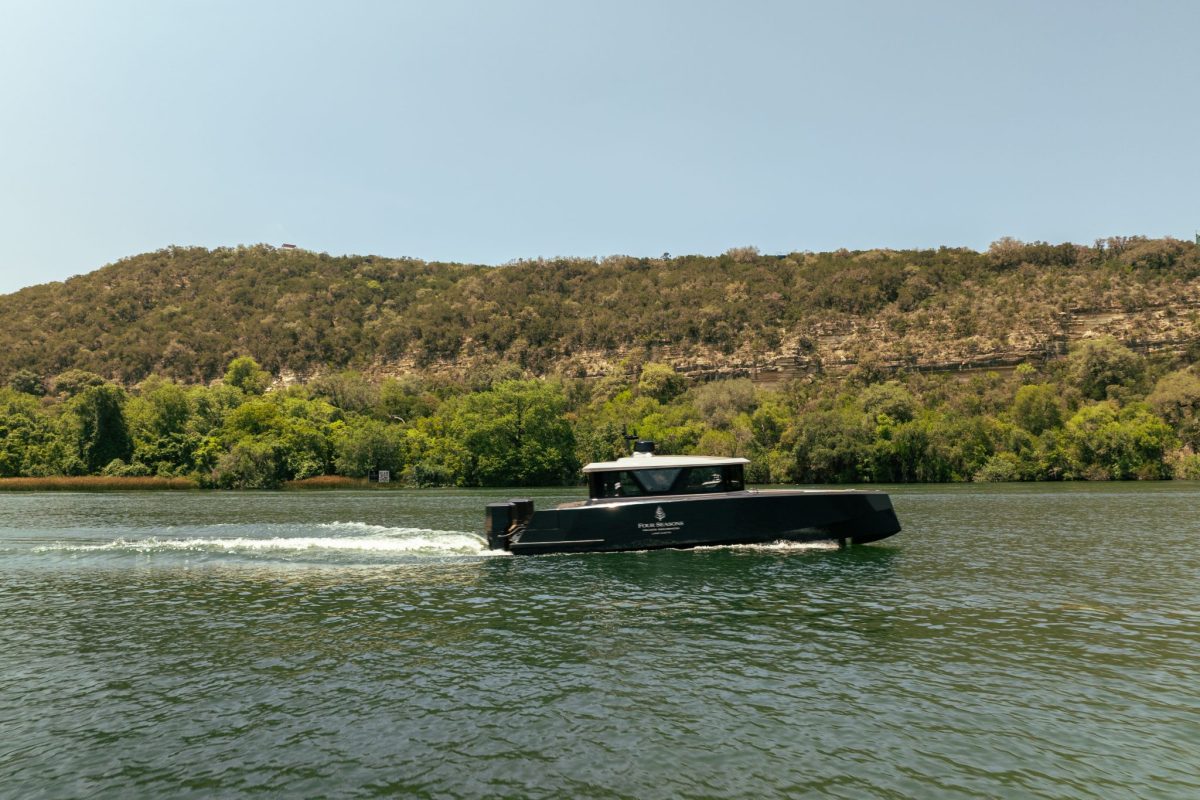
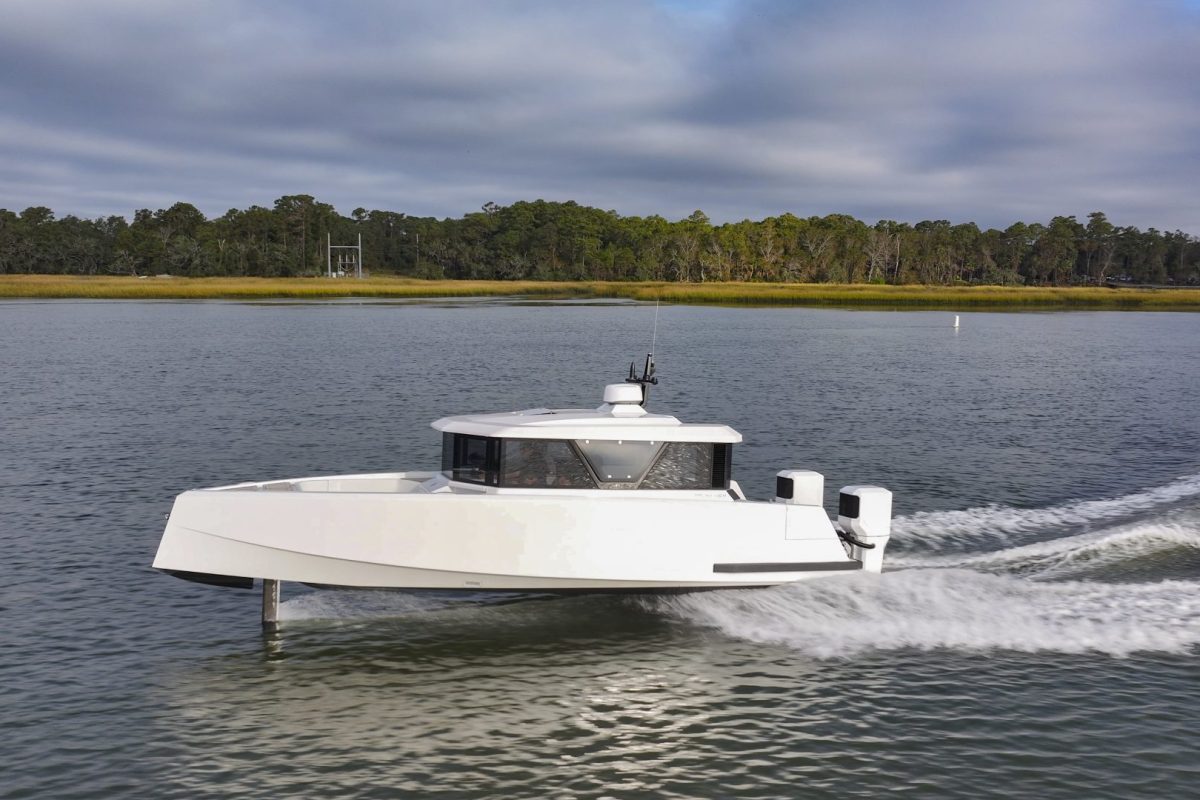
At this year’s Fort Lauderdale International Boat Show, maritime technology company Navier unveiled what may be the most consequential advancement in recreational boating in decades: the Quanta-R, a 30-foot hybrid-electric hydrofoiling vessel capable of traveling more than 700 nautical miles at cruising speed, far surpassing the range of conventional boats in its class.
This launch signals a pivotal transformation in the future of maritime transportation—bridging consumer demand for luxury and sustainability with critical advances in defense, mobility, and sovereign manufacturing.
A Technological Shift in Marine Mobility
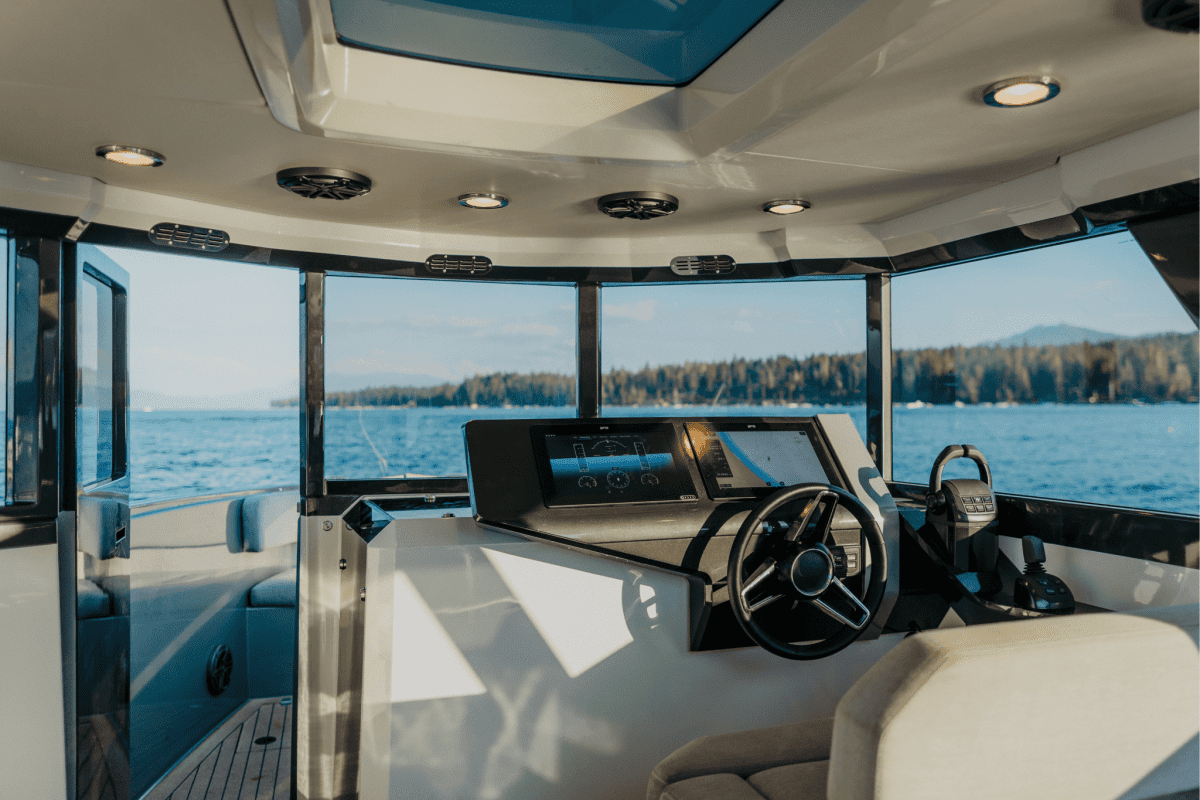
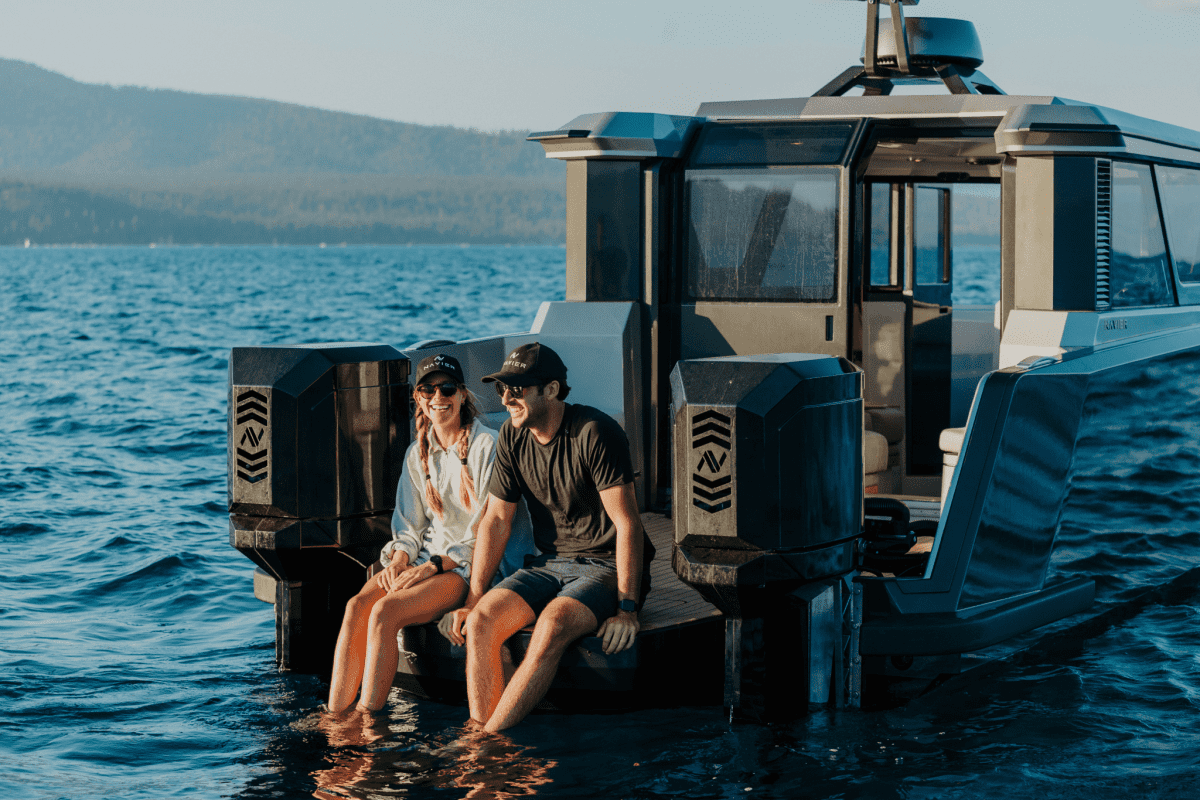
Powered by a hybrid-electric propulsion system and supported by actively stabilized hydrofoils that lift the hull completely out of the water, the Quanta-R introduces dramatic gains in range, fuel efficiency, and onboard comfort. Capable of maintaining performance in sea state 3 conditions, the vessel operates with reduced drag, lower wake, and significantly less noise—signaling a transition away from fuel-intensive marine travel and toward aviation-inspired, software-defined mobility.
With more than 700 nautical miles of range—nearly double the industry norm—Quanta-R sets a precedent that could redefine expectations not just for leisure boating, but for coastal transportation and maritime sustainability.
Marine Platforms as the Next Frontier of Strategic Infrastructure
Navier’s Quanta-R is the first recreational model built off its Generalized Marine Vessel Platform—a scalable technology architecture designed for adaptability across sectors, including passenger mobility, maritime logistics, and military applications. Built with redundant system architecture that eliminates single points of failure, the platform represents a shift toward dual-use marine technology: luxury leisure vessels that share core systems with next-generation naval and commercial craft.
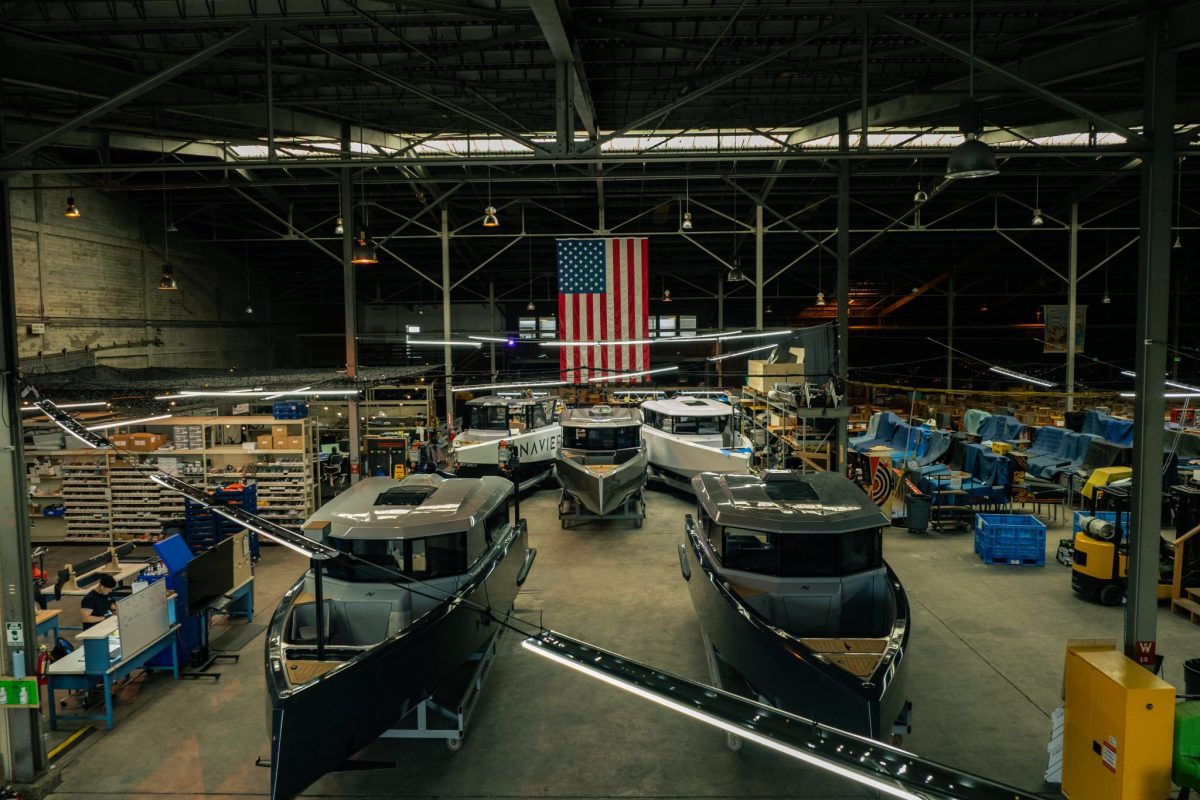
This convergence between recreational and defense innovation places Navier at the heart of emerging strategic priorities in reshoring advanced manufacturing, revitalizing naval shipbuilding, and expanding infrastructure along the “blue economy.”


Family Offices Turn to Maritime Technology as a Strategic Investment Vertical
As geopolitical instability, climate change, and supply chain realignments accelerate investment into critical infrastructure, family offices are increasingly identifying maritime technology as one of the most compelling—and underpenetrated—strategic sectors of the next decade.
Three Key Drivers Behind Family Office Interest:
- Dual-Use Technology and National Security
Family offices are increasingly allocating capital toward dual-use platforms—technologies with both commercial and defense applications—driven by strong government alignment, potential public-private partnerships, and long-term resilience. Navier’s platform approach aligns with U.S. initiatives to reshore industrial capabilities and strengthen maritime readiness.
- The Rise of the Blue Economy
According to the World Bank, the “blue economy”—encompassing ocean-related industries from tourism to shipping to marine energy—could exceed $3 trillion in value by 2030. Hydrofoiling hybrid vessels represent a high-efficiency mobility infrastructure that could serve coastal communities, luxury tourism, and short-haul logistics—areas where private capital typically leads innovation before institutional adoption.
- Asset Diversification with Infrastructure-Grade Potential
Unlike traditional recreational vessels, hybrid-electric marine platforms offer infrastructure utility with a luxury edge. For family offices seeking long-term value, these vessels are increasingly viewed not just as lifestyle acquisitions, but as early entry points into maritime electrification, autonomous mobility, data-driven fleet platforms, and maritime AI.
As one maritime investor recently noted, “The next Tesla moment isn’t going to happen on the road—it’s going to happen on the water.”
Looking Ahead
Navier’s Quanta-R represents more than the evolution of the modern recreational boat. It marks the emergence of a new marine class—software-defined, sustainability-driven, and strategically aligned with global investment priorities.
Whether through direct ownership, venture capital participation, or dual-use infrastructure strategy, family offices are beginning to see vessels like the Quanta-R not just as symbols of lifestyle, but as vehicles of long-term economic transformation.
As the maritime sector enters a period of accelerated innovation, it may soon command the same attention from investors that electrification brought to the automotive industry a decade ago—making this a pivotal moment for forward-looking capital to set its course.