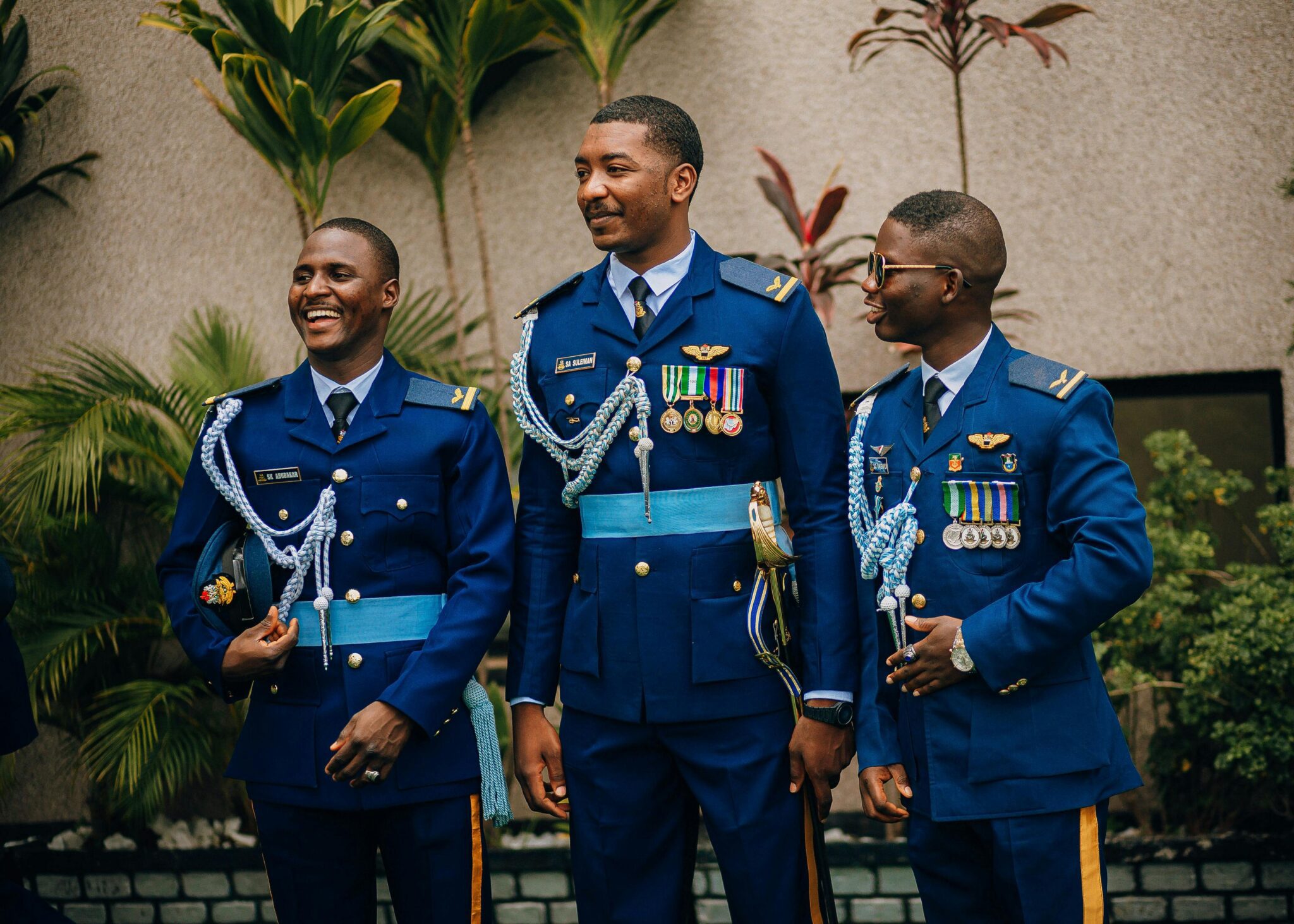
Photo by Kaybee Photography
A small coin can hold a big memory. People keep one after a hard mission, a long career, or a brave act. That simple object often stays close for years. It reminds people who they served with and what they gave.
That is why challenge coins still hold a strong place in service culture. Challenge Coins 4 Less custom coins fit into that wider tradition of honor and remembrance. Military units, first responders, and civic groups still use coins with purpose. They use them to mark duty, trust, and shared identity.
What A Challenge Coin Stands For
Challenge coins are small metal medallions made for a unit, team, or group. Most coins include a crest, seal, motto, or date. Some mark a deployment, a rescue, or a retirement. Others honor one act of service or years of steady work.
The coin itself is simple, yet the meaning runs deeper. It gives a person something real to hold and keep. That helps the memory stay personal and clear. It also turns public recognition into something more lasting.
The Army has written about challenge coins as part of service tradition and recognition. Those pieces show how coins grew inside unit culture over time. They also show why people treat coins with respect.
A challenge coin often carries several messages at once.
- It shows that a person belongs to a team
- It marks effort, courage, or steady service
- It ties one moment to a larger mission
- It gives the group a shared symbol
That mix gives the coin its staying power. A plaque may stay on a wall. A coin usually stays much closer. People carry it, display it, and pass its story along.
Why Service Groups Still Use Them
Service groups keep using challenge coins because they work on a human level. They feel direct, personal, and easy to remember. A coin can mark one event, yet still reflect a whole career. That balance makes it useful in many settings.
Military units often use coins to reward performance and reinforce pride. Police and fire departments use them in much the same way. Some coins honor a team after a hard season. Others mark years of duty or a special anniversary.
Coins also help leaders show what the group values. That lesson reaches beyond the person who receives one. When others watch that moment, they see what earns trust and respect. That helps shape a stronger culture over time.
For readers who care about legacy, that point feels familiar. Lasting influence rarely comes from noise or display. It grows through habits, symbols, and stories people keep. You can see a similar pattern in discussions of multi generational influence, where identity often passes through shared rituals and objects.
Here are a few reasons coins still hold value in service groups.
- They feel more personal than a standard certificate
- They connect one person to a larger mission
- They help teams remember what they stand for
- They preserve stories in a clear, lasting form
That value explains why coins remain common across many fields. They do not replace formal awards. Still, they often leave a stronger emotional mark. People remember when they got the coin and why.
How Good Design Gives A Coin Real Weight
A strong challenge coin does more than look nice. Every detail should connect to the group, mission, or event. The best designs avoid filler and say something real. That is what gives the coin emotional weight.
One side may show a unit crest or department seal. The other may include a date, phrase, or place name. Some coins include symbols tied to a rescue, deployment, or memorial. Those choices help the coin speak clearly without many words.
Design also shapes how people remember the coin later. A generic design fades fast because it could belong anywhere. A thoughtful design brings back one team and one moment. That makes the coin feel earned, not random.
The Army Reserve shared one example from Fort Hunter Liggett. That coin reflected both local history and military purpose. It showed how visual details can carry a story well.
When people design coins with care, a few traits usually stand out.
- The imagery links to a real mission or group
- The wording stays direct and easy to remember
- The symbols reflect shared history or duty
- The finished coin feels personal, not mass made
That thoughtfulness helps the coin keep its meaning. It also shows respect for the people receiving it. In service culture, that respect carries real weight.
Why Coins Fit So Well With Legacy And Philanthropy
Challenge coins began in service settings, yet their use has grown. Hospitals, nonprofits, schools, and civic groups now use them too. They work well in places that value contribution and memory. That includes many spaces tied to philanthropy and family legacy.
A donor event can feel polished yet forgettable. A custom coin can make recognition feel more grounded and human. It gives the recipient something tangible without turning the moment into a show. That restraint often makes the gesture feel more sincere.
Coins also suit work that depends on community trust. A volunteer leader, board member, or long time supporter may not want a flashy tribute. A well made coin can honor service in a quieter way. It can feel thoughtful without feeling commercial.
That is one reason coins connect with philanthropic culture. Giving often works best when it reflects memory, duty, and shared purpose. You can see a similar focus in Impact Wealth’s philanthropy coverage, where recognition often ties back to service and long term commitment.
In these settings, coins can support recognition in a few practical ways.
- They mark milestones without feeling overly formal
- They suit private moments and public events alike
- They help families and groups preserve shared stories
- They can become keepsakes passed to later generations
That last point helps explain their lasting appeal. People do not hold onto coins because they are expensive. They hold onto them because the story stays alive.
Why The Best Coins Stay Personal
The strongest challenge coins are not always the largest or most complex. They stay memorable because they arrive at the right moment. A retirement coin, memorial coin, or rescue coin can mean a great deal. The story behind it gives it force.
That personal link is what keeps challenge coins relevant. They give service a shape people can see and hold. They help teams honor effort without flattening it into routine praise. When recognition feels tangible and thoughtful, people keep it, remember it, and share its story.