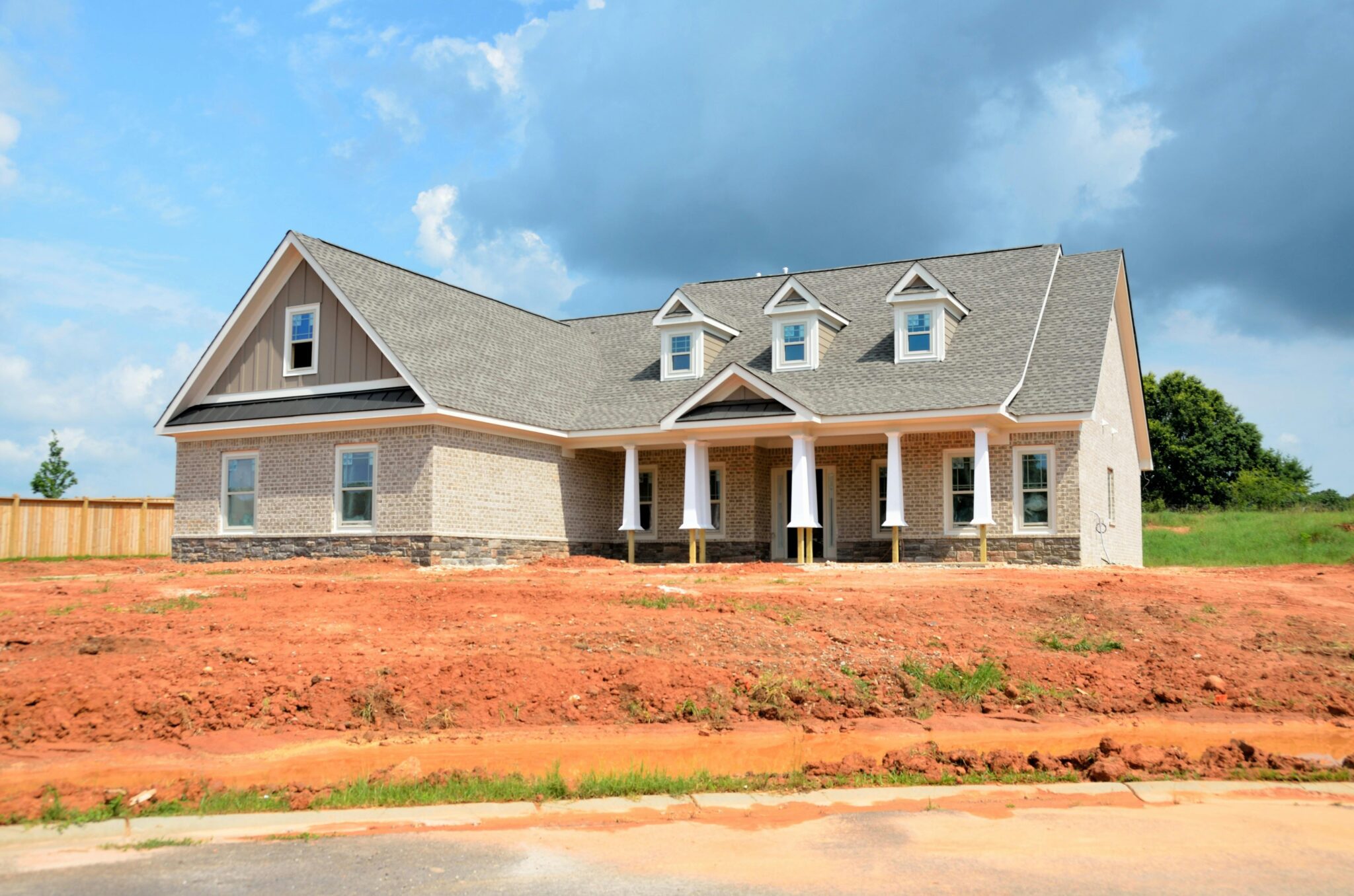
Buying a new construction home is an exciting journey, but it can also be a complex process with many moving parts. It’s important to approach it with preparation and knowledge to ensure you make the best decisions along the way. Whether you’re a first-time homebuyer or looking to upgrade, purchasing a newly built home offers modern features, energy efficiency, and a chance to customize the space to your preferences. To help guide you through the process, here is a step-by-step guide to buying a new construction home.
Step 1: Determine Your Budget
Before you start browsing new homes, it’s essential to know your budget. Take a look at your financial situation and determine how much you can comfortably afford. Be sure to account for the down payment, closing costs, and any extra fees associated with new construction, such as upgrades or additional features. Lenders typically offer various mortgage options, so be sure to speak with a financial advisor or mortgage broker to explore the best financing options for your situation.
Step 2: Choose Your Location
Location is one of the most critical factors when buying a home, and new construction homes are no exception. Think about what you want in a neighborhood. Are you looking for a vibrant community with amenities like parks, schools, or shopping centers? Or perhaps you prefer a quieter, suburban setting for peace and privacy? In cities like Austin, Denver, and Seattle, you’ll find a wide range of new developments that cater to both urban and suburban lifestyles. Each offers a mix of convenience, local culture, and desirable amenities for families or professionals looking to settle down in a modern home.
For instance, new construction homes in Portland have become increasingly popular as the city’s growth has spurred the development of new neighborhoods. Portland’s unique mix of urban culture and outdoor living makes it an ideal location for modern developments that offer easy access to parks, restaurants, and workspaces. Whether you’re drawn to the city’s walkable areas or its eco-friendly suburban communities, Portland offers a variety of new-construction homes to suit different preferences.
Step 3: Find a Reliable Real Estate Agent
While you can certainly explore new construction homes on your own, working with a real estate agent who specializes in new builds can make the process much smoother. A real estate agent can help you navigate through the different neighborhoods, provide access to upcoming developments, and even negotiate deals on your behalf. They are a valuable resource for ensuring you get the best deal on your new home.
Step 4: Visit the Builder’s Model Homes
Once you’ve narrowed down your location and budget, it’s time to visit model homes. Builders typically showcase a model home that highlights the features of their new construction. Visiting these homes gives you a feel for the layout, size, and available finishes. It’s also a great time to ask questions about customization options, materials used, and any warranties or guarantees offered by the builder. Take notes during these visits to compare different builders and developments.
Step 5: Review the Floor Plans and Available Upgrades
One of the main perks of buying new construction is the ability to customize certain features. Builders often offer a range of floor plans and upgrades, including kitchen designs, flooring options, and exterior finishes. It’s important to carefully review these options and choose the one that best suits your needs and lifestyle. Keep in mind that upgrades can increase the home’s overall cost, so balance the features you want with what fits within your budget.
Step 6: Understand the Home Warranty and Builder’s Reputation
A home warranty is one of the significant advantages of purchasing a new construction home. Most builders offer warranties on new homes that cover structural defects, plumbing, electrical systems, and other potential issues. Be sure to ask the builder about the warranty and what is covered. Additionally, take the time to research the builder’s reputation by reading reviews, checking for any past legal issues, and asking for references from previous buyers. A builder’s reputation and commitment to quality will directly affect your long-term satisfaction with the home.
Step 7: Finalize the Purchase
Once you’ve chosen your home and made your upgrade decisions, it’s time to finalize the deal. The closing process for new construction homes is similar to that of any real estate purchase. You’ll review the contract, finalize the financing, and schedule the closing date. Be sure to carefully review all documents and understand any conditions or fees before signing. Additionally, if you’ve made upgrades, confirm the details and the completion timeline.
Purchasing a new construction home is an exciting and rewarding experience, offering the opportunity to move into a modern, custom-designed space. By following these steps, conducting thorough research, and working with the right professionals, you can ensure a smooth process and end up in the perfect home.
FAQ: Buying a New Construction Home
- Q: What is the difference between new construction homes and pre-owned homes?
A: New construction homes are newly built, offering modern designs, energy-efficient features, and warranties on construction. Pre-owned homes, on the other hand, have been previously lived in and may require more maintenance or renovations. New homes often allow customization and typically have fewer immediate repair needs.
- Q: How long does it take to build a new construction home?
A: The timeline for building a new construction home can vary depending on factors like location, builder, and design complexity. On average, it takes about 6 to 12 months to complete a new home from the time of purchase. However, pre-existing model homes may be available for quicker move-ins.
- Q: Are there hidden costs when buying a new construction home?
A: Yes, in addition to the purchase price, you may encounter costs such as upgrades (e.g., flooring or kitchen finishes), landscaping, closing fees, and home inspection fees. It’s essential to budget for these extra expenses and discuss them with your builder upfront.
- Q: Do new construction homes come with a warranty?
A: Most new construction homes come with a warranty that covers certain aspects of the home, such as structural integrity, plumbing, and electrical systems. Be sure to ask the builder for the specifics of the warranty and what it covers.
- Q: Can I negotiate the price of a new construction home?
A: Negotiating the price on new construction homes can be more challenging than with pre-owned homes, as builders usually set prices based on market conditions and demand. However, you may be able to negotiate upgrades, closing costs, or other incentives. It’s worth discussing these options with your builder or agent.