An emergency fund is one of the most important parts of a strong financial plan. Life is unpredictable, and unexpected expenses such as medical bills, car repairs, job loss, or urgent home repairs can arise at any time. Without savings set aside for emergencies, people may need to rely on loans or credit cards, which can lead to financial stress and debt.
Building an emergency fund quickly is possible with the right strategy and disciplined money management. Even if you are starting from zero, consistent effort can help you create a financial safety net in a relatively short time.
This guide explains practical steps you can follow to build an emergency fund fast and secure your financial future.
What Is an Emergency Fund?
An emergency fund is money saved specifically for unexpected expenses or financial emergencies. It is not meant for regular spending, shopping, or entertainment.
Most financial experts recommend saving at least three to six months of living expenses. However, even a smaller amount can provide protection during difficult situations.
Emergency funds help people:
- Handle sudden expenses
- Avoid borrowing money
- Reduce financial stress
- Maintain financial stability
Why Building an Emergency Fund Quickly Matters
Many people delay saving for emergencies because they believe it takes a long time. However, the earlier you build this fund, the better prepared you are for unexpected situations.
Benefits of building an emergency fund quickly include:
- Financial security
- Peace of mind
- Protection against debt
- Better financial control
- Preparedness for sudden events
Having savings available during emergencies can make a huge difference in how you handle financial challenges.
Step 1: Calculate Your Emergency Fund Goal
The first step is to determine how much money you need to save. This amount usually depends on your monthly expenses.
Start by calculating:
- Rent or housing costs
- Food and groceries
- Utilities
- Transportation
- Insurance
- Essential bills
Once you know your monthly expenses, multiply them by three to six months to determine your emergency fund target.
Step 2: Create a Budget Plan
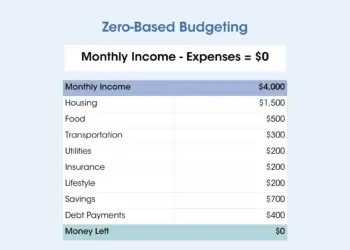
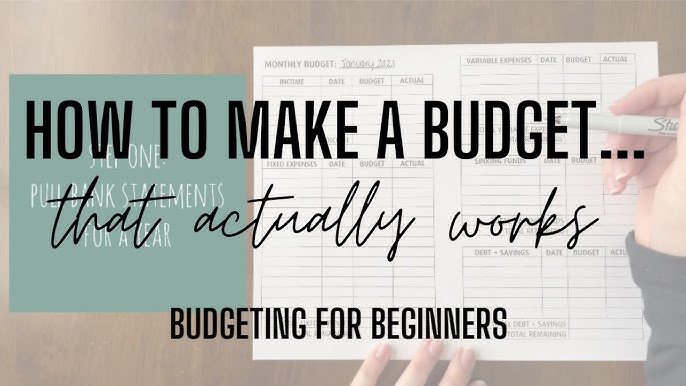
A budget helps identify how much money you can set aside each month. If you do not have a budget yet, learning strategies from a Step by Step Guide to Budgeting Monthly Income can help you organize your income and expenses effectively.
A good budget allows you to:
- Control spending
- Increase savings
- Identify unnecessary expenses
- Reach financial goals faster
Budgeting is the foundation of building an emergency fund quickly.
Step 3: Cut Non-Essential Expenses
One of the fastest ways to build savings is reducing unnecessary spending. Many people spend money on things that are not essential.
Examples of expenses you can reduce:
- Eating out frequently
- Subscription services
- Impulse shopping
- Entertainment costs
- Luxury purchases
Redirecting this money into your emergency fund can speed up your savings progress.
Example of Expense Reduction Strategy
| Expense Type | Before Reduction | After Reduction | Monthly Savings |
|---|---|---|---|
| Dining Out | High | Moderate | Extra savings |
| Subscriptions | Multiple | Limited | Extra savings |
| Entertainment | Frequent | Occasional | Extra savings |
| Shopping | Impulsive | Planned | Extra savings |
Even small reductions can help you save money quickly over time.
Step 4: Save a Fixed Percentage of Income
A simple strategy for building savings faster is to automatically set aside a percentage of your income every month.
Common saving targets include:
- 20% of monthly income
- Extra income from bonuses
- Side hustle earnings
- Unexpected financial gains
Consistency is more important than the amount. Regular contributions will help your emergency fund grow steadily.
Step 5: Use Extra Income Sources
Increasing income can help you build your emergency fund much faster.
Ways to earn additional income include:
- Freelancing
- Online work
- Part-time jobs
- Selling unused items
- Small business ideas
Directing extra earnings straight into your emergency fund can significantly speed up the process.
Step 6: Automate Your Savings
Automating savings is one of the easiest ways to stay consistent. Many banks allow automatic transfers to savings accounts.
Benefits of automatic savings:
- Reduces temptation to spend
- Ensures consistent contributions
- Simplifies financial management
- Helps build discipline
Automation makes saving effortless and effective.
Step 7: Keep the Emergency Fund Separate
Your emergency savings should be kept in a separate account from your regular spending money.
This helps:
- Avoid unnecessary withdrawals
- Maintain financial discipline
- Protect your savings
- Track progress easily
A dedicated savings account is ideal for emergency funds.
Common Mistakes When Building an Emergency Fund
Many people slow down their progress by making avoidable mistakes.
Common mistakes include:
- Not saving consistently
- Using emergency funds for non-emergencies
- Setting unrealistic savings goals
- Ignoring small savings opportunities
- Delaying the start of saving
Avoiding these mistakes can help you build your emergency fund faster.
Tips to Speed Up Emergency Savings
If you want to grow your emergency fund quickly, consider these strategies:
- Save tax refunds
- Use cashback rewards
- Reduce lifestyle upgrades
- Set short-term savings milestones
- Increase savings whenever income rises
Small financial decisions can make a big difference over time.
FAQs About Building an Emergency Fund
1. How much should I save in an emergency fund?
Most experts recommend saving three to six months of essential living expenses.
2. Where should I keep my emergency fund?
A savings account is usually the best place because it keeps money safe while remaining easily accessible.
3. How quickly can I build an emergency fund?
It depends on income, expenses, and savings discipline. Some people can build a basic fund within a few months.
4. Should I invest my emergency fund?
Emergency funds should generally remain in safe and easily accessible accounts rather than investments with risk.
5. What qualifies as a financial emergency?
Unexpected medical bills, job loss, urgent repairs, or sudden financial crises are examples of emergencies.
Conclusion
Building an emergency fund fast requires discipline, planning, and consistent saving. By setting a clear goal, creating a budget, cutting unnecessary expenses, and saving regularly, you can develop a strong financial safety net in a short period of time.