In a saturated market like food, having a great product isn’t enough, especially on social media. Whether you run a bakery, a local sauce brand, or a plant-based meal service, the way you present your brand online can directly impact your sales.
Social media has become one of the most effective ways for small and medium food businesses to stand out, build a following, and increase revenue, especially when you base your content on global food trends.
Here’s how to turn your social platforms into powerful sales tools, including how paid engagement can help you scale faster. Let’s get into it.
1. Start with a Visual-First Strategy
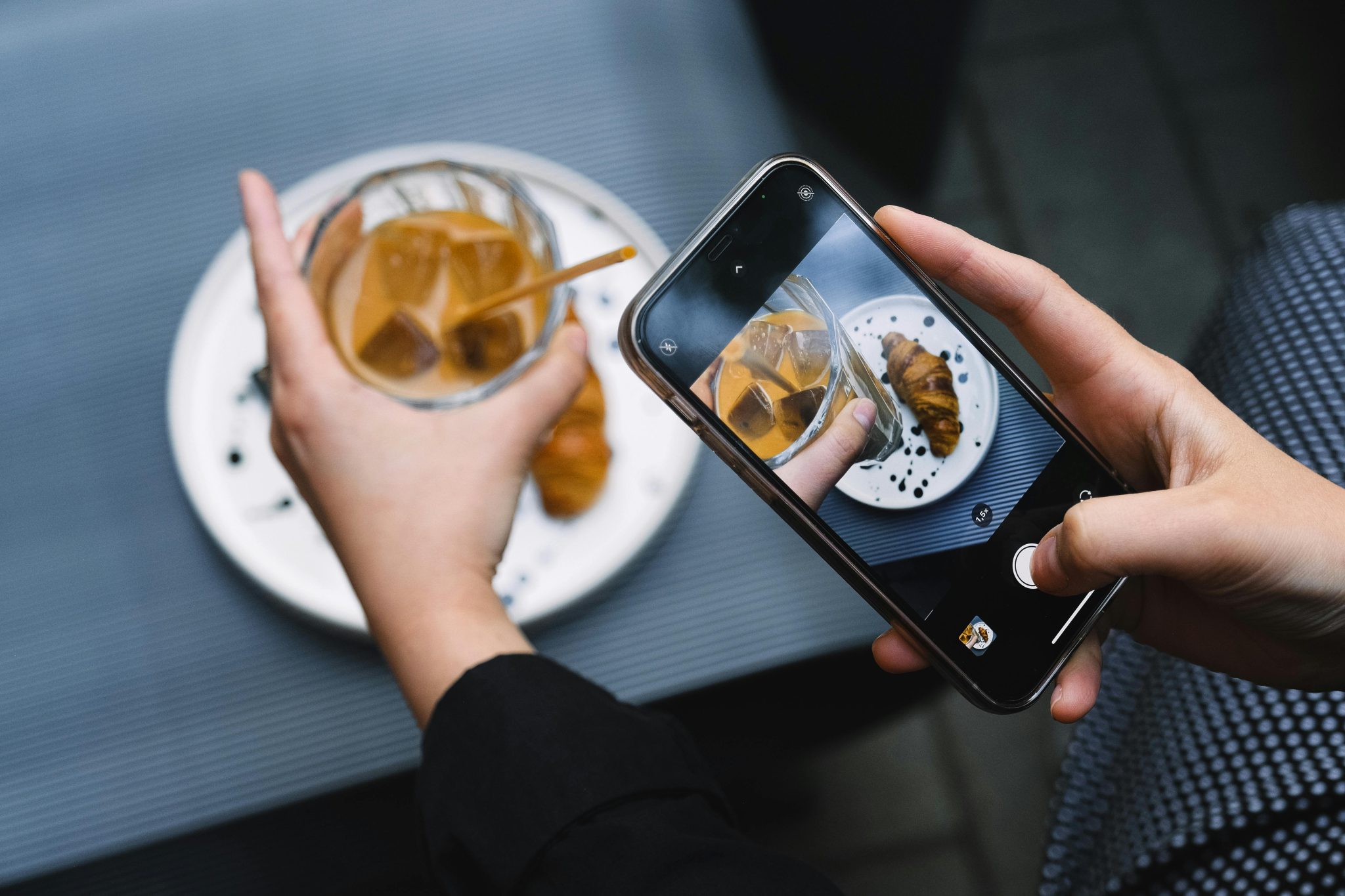
Food is one of the most visually appealing industries on social media. People scroll for recipes, crave-worthy meals, and behind-the-scenes kitchen shots every day. Platforms like Instagram, TikTok, and Pinterest are tailor-made for food content.
Focus on:
- High-quality photos of your dishes or products
- Short videos of prep, plating, or customer reactions
- “Before and after” cooking content
- Reels showing recipes, packaging, or taste tests
- User-generated content from happy customers
If your product looks good online, people are more likely to try it in real life. After all, people eat with their eyes!
2. Tell Your Story
Consumers today want to know where their food comes from and who’s behind it. Use social media to humanize your brand. Post about:
- How you started your business
- Where you source ingredients
- Day-to-day operations
- Team spotlights
- Customer stories or testimonials
Being authentic makes your brand more relatable and trustworthy. And trust leads to conversions.
3. Use Local Targeting
If you’re a small or medium food business with a regional focus, take advantage of location-based tools on platforms like Instagram and Facebook. Tag your city in posts, use local hashtags, and encourage local customers to check in or tag you when they visit.
You can also run location-targeted ads to reach nearby foodies — perfect for promoting weekend specials, new product launches, or seasonal menus.
4. Add a Call-to-Action in Every Post
Engagement is great, but it should lead somewhere. Every post should have a clear goal — whether that’s visiting your website, ordering online, booking a catering slot, or stopping by your shop.
Use captions that drive action, like:
- “Tap the link in our bio to order now”
- “Tag a friend you’d bring here”
- “Limited spots left for this weekend’s dinner kits”
- “DM us to preorder for next week”
The more intentional your content, the better it will convert.
5. Collaborate with Micro-Influencers and Food Creators
Micro-influencers often have stronger engagement and more trust from their followers than massive accounts. Find local food bloggers or lifestyle creators with audiences in your area or niche.
Offer free samples, exclusive discounts, or affiliate codes in exchange for a review or shoutout. These collaborations can generate real buzz and drive curious new customers to your page.
6. Use Paid Engagement to Strengthen Your Presence
Social proof matters. If someone sees your food business and notices low likes, no comments, or a small following, they may hesitate to order, even if your product is great.
That’s where paid engagement can help.
By using the best service to increase likes and views on your posts, you boost credibility and improve how your brand is perceived online. Paid engagement also works with the algorithm — higher engagement often means higher visibility.
When used alongside great content, paid engagement helps more people discover your business, trust it quickly, and take action.
Tip: Make sure to choose a reputable provider that offers engagement from real users, not bots — to keep your account safe and your engagement looking natural.
7. Run Limited-Time Offers Through Stories and Reels
Instagram Stories and Reels are great places to showcase flash sales, time-limited offers, or behind-the-scenes footage. These formats create urgency and let you speak directly to your audience.
Use countdown stickers, polls, or quick product demos to spark excitement and drive immediate action. You can even repost customer responses to build FOMO.
8. Track What Works — and Keep Improving
Finally, pay attention to what your audience responds to. Which posts get the most views or sales? Which products are being shared the most?
Look at analytics on Instagram, TikTok, and Facebook to see:
- Top-performing posts
- Best times to post
- Engagement rate per format
- Website clicks and conversions
Use that data to adjust your content strategy over time. Social media is never “set it and forget it” — but with a few smart tweaks, it becomes one of your most powerful tools for growth.
Small and medium food businesses have more tools than ever to connect with customers, create brand love, and boost sales, and social media is at the heart of it all. With a mix of strong content, storytelling, paid engagement for credibility, and intentional calls to action, you can turn followers into loyal buyers.
The key is to start where you are, stay consistent, and don’t be afraid to invest in tools that amplify your message. The right social strategy could be the best ingredient in your business’s next big win.
Let me know if you’d like a version tailored to a specific food business type (e.g., coffee shops, meal kits, food trucks).