Inflation is one of the most powerful economic forces shaping your financial future. While it may seem like a distant macroeconomic concept, inflation directly impacts your purchasing power, savings, and investment returns. If you want to protect and grow your wealth, understanding how inflation affects savings and investments is essential.
In this comprehensive guide, we will explain what inflation is, how it reduces the value of money, how it impacts different asset classes, and strategies to protect your financial future.
What Is Inflation?
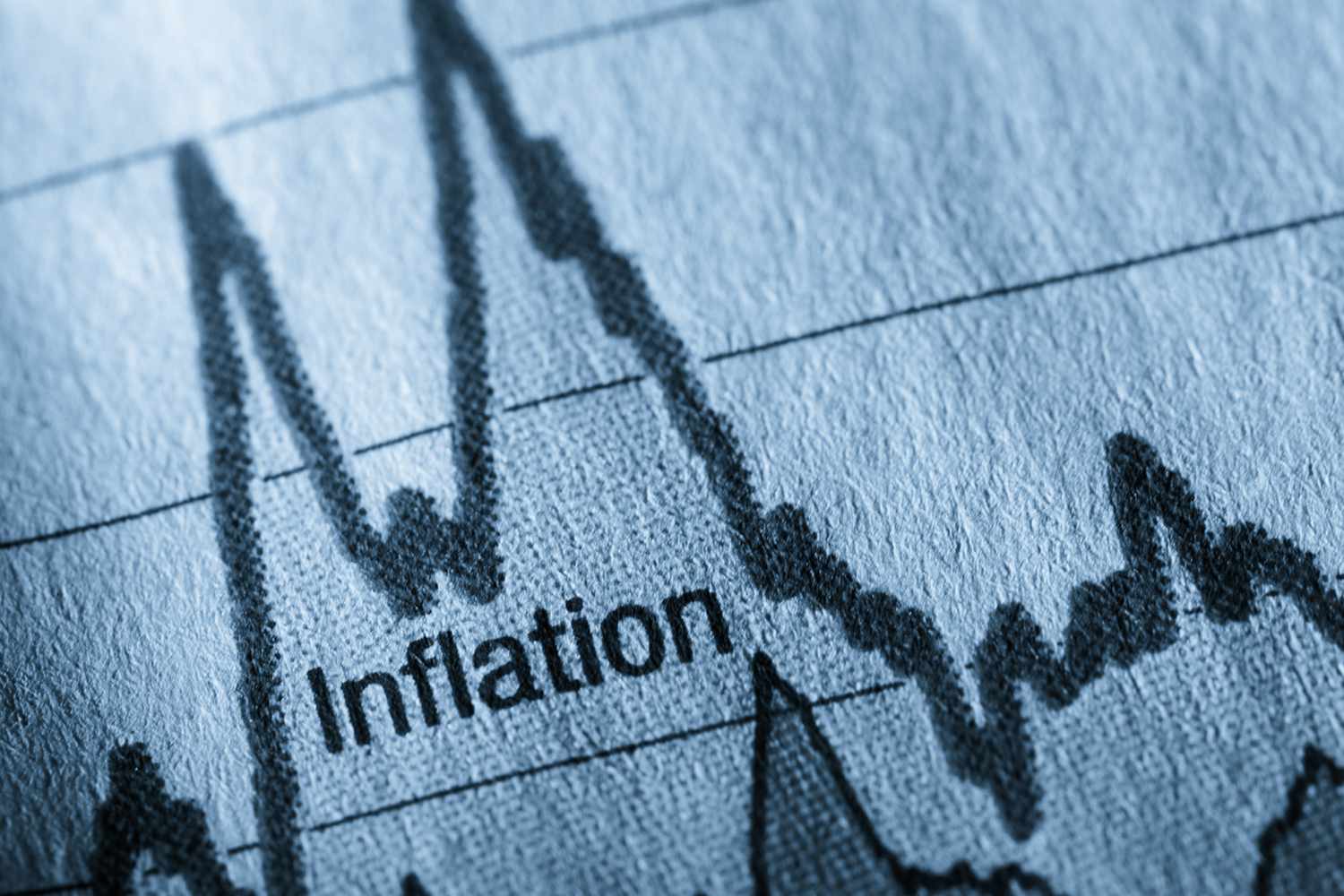
Inflation is the gradual increase in prices of goods and services over time. As prices rise, the purchasing power of money declines.
For example:
-
If inflation is 5% annually,
-
An item that costs $100 today will cost $105 next year.
This means your money buys less over time if it does not grow at least at the rate of inflation.
How Inflation Affects Savings
Savings stored in low-interest accounts are most vulnerable to inflation.
1. Erosion of Purchasing Power
If your savings account earns 2% interest but inflation is 6%, your real return is negative 4%.
This means:
-
Your balance may grow numerically,
-
But your actual buying power declines.
Over many years, this erosion can significantly reduce the value of your cash reserves.
2. Reduced Real Wealth
Let’s say you save $10,000 and keep it in a non-interest-bearing account for 10 years. With consistent inflation, the real value of that $10,000 shrinks dramatically.
Money sitting idle is slowly losing value.
3. Emergency Funds and Inflation
While emergency funds are essential, keeping too much cash beyond necessary reserves can limit wealth growth.
A balanced strategy includes:
-
Keeping 3–6 months of expenses in liquid savings,
-
Investing the rest for higher long-term returns.
How Inflation Affects Investments
Unlike cash savings, investments can potentially outpace inflation.
However, not all investments react the same way.
1. Stocks and Inflation
Stocks historically provide returns that exceed inflation over the long term.
Why?
-
Companies can raise prices during inflationary periods.
-
Corporate profits often grow alongside rising costs.
-
Long-term economic growth supports stock appreciation.
However, in the short term, high inflation can cause market volatility.
2. Bonds and Inflation
Bonds are more sensitive to inflation.
When inflation rises:
-
Interest rates often increase.
-
Existing bond prices fall.
-
Fixed interest payments lose purchasing power.
Long-term bonds are especially vulnerable.
3. Real Estate and Inflation
Real estate often performs well during inflation because:
-
Property values tend to rise.
-
Rental income can increase.
-
Real assets hold intrinsic value.
Real estate is commonly viewed as an inflation hedge.
4. Commodities and Inflation
Commodities like gold or oil often rise during inflationary periods.
Investors turn to tangible assets when currency value declines.
However, commodity investments can be volatile.
Summary Table: Inflation Impact by Asset Type
| Asset Type | Impact of Inflation | Risk Level |
|---|---|---|
| Cash Savings | Loses purchasing power | Low |
| Stocks | Can outpace inflation long term | Medium |
| Bonds | Sensitive to rising rates | Medium |
| Real Estate | Often benefits from inflation | Medium |
| Commodities | May hedge inflation | High |
The Concept of Real Return
To understand how inflation affects savings and investments, you must consider real return.
Real Return = Investment Return – Inflation Rate
Example:
-
Investment return: 8%
-
Inflation rate: 5%
-
Real return: 3%
Your wealth grows only if your investments beat inflation.
Long-Term Effects of Inflation
Inflation compounds over time, just like investments.
At 4% inflation:
-
Prices double roughly every 18 years.
Without growth strategies, your savings lose significant value over decades.
Strategies to Protect Against Inflation
Here are effective methods to combat inflation’s impact:
1. Invest in Growth Assets
Equities and diversified mutual funds historically outperform inflation over long periods.
2. Diversify Your Portfolio
A balanced mix of stocks, bonds, and real assets reduces overall risk.
3. Increase Income Over Time
Higher income offsets rising costs. This is particularly important for freelancers and digital professionals. Financial awareness, such as implementing Personal Finance Tips for Remote Workers, can help stabilize income while building long-term growth.
4. Avoid Excess Idle Cash
Keep only necessary emergency funds in cash. Allocate surplus money toward productive assets.
5. Adjust Investment Strategy Regularly
As economic conditions change:
-
Review asset allocation
-
Rebalance portfolio
-
Consider inflation-protected securities where available
Inflation and Retirement Planning
Inflation is especially critical in retirement planning.
If you need $50,000 annually today:
-
In 20 years, you may need significantly more due to rising prices.
Failing to account for inflation can result in retirement shortfalls.
Long-term investing strategies must include growth-oriented assets to preserve purchasing power.
Psychological Effects of Inflation
Inflation also affects financial behavior:
-
Encourages panic spending
-
Reduces confidence in savings
-
Promotes short-term decision making
Understanding inflation helps you stay rational and avoid emotional financial choices.
Frequently Asked Questions (FAQs)
1. Is inflation always bad?
Moderate inflation supports economic growth. Extremely high inflation, however, reduces purchasing power significantly.
2. How much inflation is considered normal?
Historically, many economies target around 2% annual inflation.
3. Should I stop saving during high inflation?
No. Continue saving but consider investing surplus funds for growth.
4. What investments protect best against inflation?
Stocks, real estate, and certain commodities historically perform well during inflation.
5. Does inflation affect all countries equally?
No. Inflation rates vary based on economic policies, supply chains, and global conditions.
Final Thoughts
Understanding how inflation affects savings and investments is crucial for long-term financial success. Inflation quietly reduces purchasing power and can undermine wealth if money is left idle.