Businesses now depend on digital systems that support employees across offices and remote networks. As hybrid work becomes standard, IT teams face heavier pressure to keep every system stable and connected. Manual checks and traditional troubleshooting no longer keep up with the pace of modern operations.
That’s where artificial intelligence steps in to simplify diagnostics and minimize downtime. AI-driven systems can even manage tasks such as how to fix offline printer errors without waiting for user reports, helping teams maintain uninterrupted workflows. Let’s explore the benefits of AI in streamlining IT troubleshooting in hybrid workspaces.
Predictive Insights for Faster Resolution
AI delivers a proactive advantage by analyzing system data in real time. Instead of waiting for a problem to surface, smart monitoring tools flag irregularities that suggest potential hardware or network faults. IT administrators can assess these alerts instantly and prevent service interruptions before users notice them. This intelligence helps companies shift from a reaction-based model to a preventative one. Machines learn from previous incidents, creating a knowledge base that brings faster and more accurate fixes every time.
Automated Detection That Reduces Human Error
AI systems handle repetitive tasks that take up valuable technician hours. They can scan hundreds of network interactions, identify weak points, and isolate the cause of connectivity lapses within seconds. When a device disconnects or slows down, automation ensures immediate action instead of waiting for manual checks. This efficiency cuts human error and eliminates the guesswork that frequently delays solutions. In hybrid settings where multiple endpoints operate, automation offers consistency that manual oversight cannot match.
Enhances Collaboration Across Distributed Teams
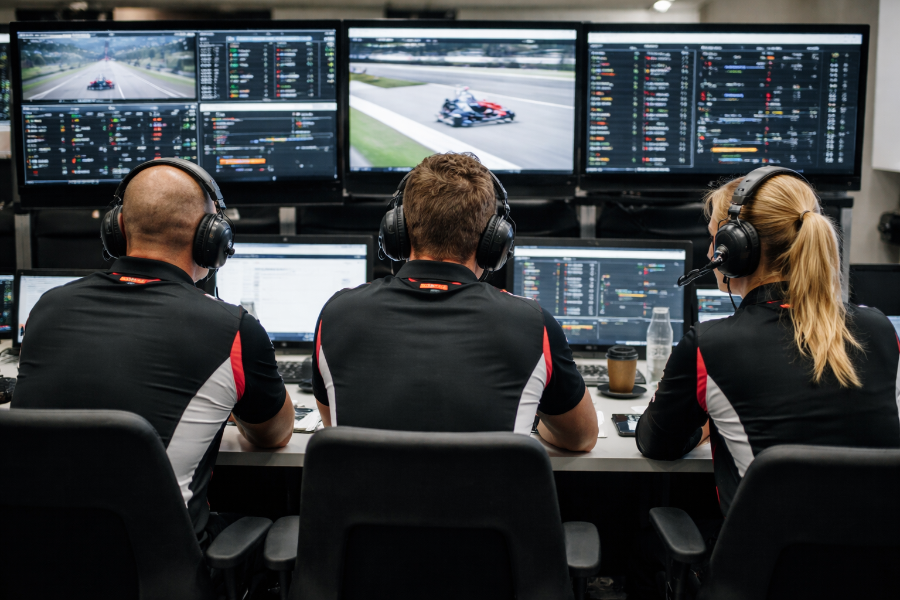
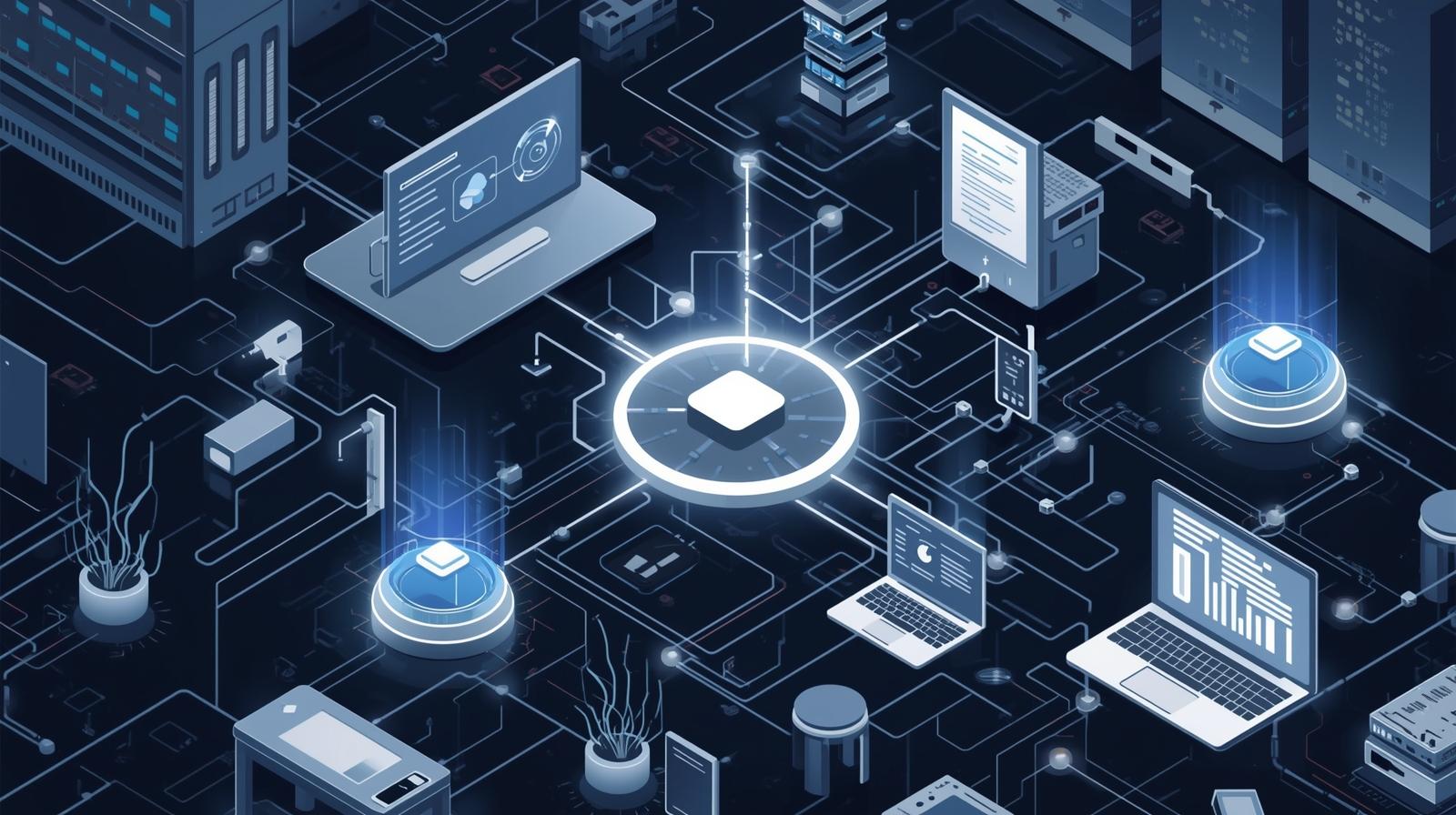
Hybrid workforces run on dispersed networks that link headquarters, remote offices, and personal devices. Managing all these securely and efficiently requires clear visibility across every layer of the infrastructure. AI tools give IT departments a unified dashboard that shows system health, network traffic, and device performance. This transparency allows technicians to collaborate smoothly, regardless of where they log in. Instead of juggling multiple portals or overlapping reports, teams receive precise recommendations and instant diagnostics from AI systems.
Intelligent Assistance for Self-Help and User Support
One of AI’s most practical uses in modern IT lies in guiding employees through technical issues. Virtual assistants now recognize user intent through natural language and immediately suggest corrective steps. For example, when someone reports a device issue such as the need to fix offline printer errors, AI-driven support platforms respond with targeted solutions. They navigate users through network checks, driver updates, or configuration resets without waiting for a helpdesk ticket. This blend of self-service and automation reduces dependency on live IT staff, leading to smoother operations and improved productivity.
Optimizes Resource Allocation and IT Efficiency
AI enhances how IT resources are managed across hybrid environments. Instead of assigning human technicians to routine checks or repetitive troubleshooting, automated systems handle these low-level tasks around the clock. This frees IT staff to focus on strategic improvements, system upgrades, and long-term planning. With machine learning models identifying patterns in recurring issues, teams can predict where problems are likely to occur and allocate resources more effectively. The result is a leaner, more proactive IT operation that balances workload while minimizing downtime.
Strengthens Security Through Automated Monitoring
Maintaining robust cybersecurity in hybrid networks requires real-time vigilance. AI-powered monitoring tools continuously scan traffic, user behavior, and device activity to detect anomalies that could signal potential threats. These automated systems respond instantly, isolating suspicious endpoints or alerting administrators before damage spreads. In an era when remote access and cloud collaboration have expanded attack surfaces, this constant AI oversight provides a crucial layer of protection. By integrating predictive threat detection with automated response, businesses safeguard data integrity and maintain user trust across all work environments.
Builds Reliability Through Continuous Learning
AI technologies grow smarter through exposure to new data. Every troubleshooting session contributes to a refined understanding of system behavior. Over time, AI learns to spot subtle signs of performance drift, device fatigue, or software instability long before they trigger system-wide failures. This ongoing learning process builds reliability into IT environments. Businesses gain confidence knowing their infrastructure can adapt to future challenges with minimal disruption.
Artificial intelligence reshapes IT troubleshooting by eliminating routine tasks and predicting issues before they cause disruptions. Smart automation now makes it easier to resolve connectivity glitches, improve performance, and even fix offline printer problems with minimal human input. As these intelligent systems grow, the line between prevention and resolution continues to blur, giving hybrid workplaces the reliable digital backbone they deserve.