UK Construction Is Booming, But Are Contractors Protected?
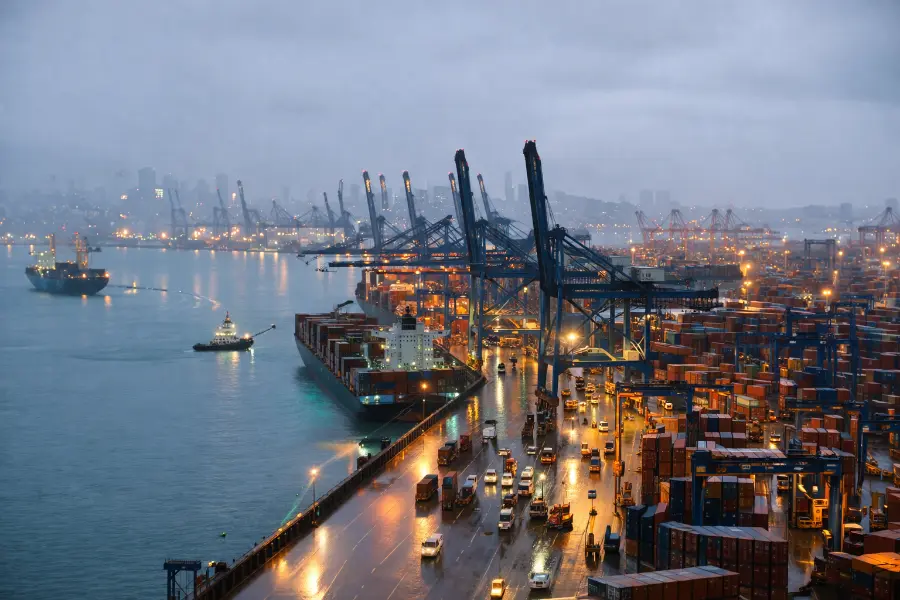
The UK construction industry keeps growing. New housing developments, infrastructure projects, and commercial builds are running across the country. More activity means more hired plant and machinery on site, more hire agreements being signed, and more financial exposure sitting quietly in the background.
Hired in plant insurance UK is a specialist cover that many contractors overlook until a costly incident forces their hand. Townsend McCormack is an independent London broker with over 35 years of experience helping UK construction firms get the right plant insurance policies in place before problems arise.
The UK Construction Industry Has a Plant Theft Problem
Plant theft across the UK costs the construction industry an estimated £100 million every year. Losses have climbed sharply since 2020. Mini diggers, telehandlers, and other high-value plant equipment are among the most targeted items on construction sites.
The financial burden falls directly on whoever signed the hire agreement. Most hire agreements transfer full financial responsibility to the hirer the moment equipment leaves the hire company’s yard. Stolen equipment, accidental damage, or loss during transit all become the hirer’s problem to solve.
Without hired in plant insurance, UK construction firms absorb replacement costs, repair bills, and continuing hire charges entirely from their own pocket.
What Hired In Plant Insurance UK Actually Covers
A solid hired in plant insurance policy works to cover the most common risks facing UK contractors working with rented equipment across construction sites.
Core cover options typically include:
- Accidental damage to hired in plant machinery on site and in transit
- Theft of hired plant equipment, including mini diggers and high-risk machinery
- Continuing hire charges while accidentally damaged equipment is being repaired
- Transit cover for plant and machinery moving between sites
- Public liability insurance for property damage or injury to third parties
- Employers liability insurance, legally required for UK businesses with staff
Public liability cover is expected on most construction sites across the UK. Employers liability insurance is a legal requirement for any business employing staff, regardless of industry. A specialist broker works to structure both into a well-rounded insurance package suited to each business’s specific risk profile.
Contractors Plant Insurance vs Hired In Plant Insurance
UK contractors running a mix of owned and rented equipment need to understand the difference between contractors plant insurance and hired in plant insurance.
Contractors plant insurance, also referred to as own plant insurance, covers machinery a business owns outright against theft, damage, fire, and flood. Hired in plant insurance covers rented equipment from a leasing company or hire company. Running only one policy without the other leaves significant gaps in cover.
A business without adequate protection on hired equipment carries the full financial responsibility for any loss, damage, or theft. One incident involving high-value hired plant and machinery on a busy site can generate legal fees, repair costs, and continuing hire charges all at once.
How Plant Insurance Cost Works in the UK
Plant insurance costs across different insurance providers vary considerably. Several factors shape what a UK business pays for adequate cover.
The total value of plant and equipment, the type of machinery insured, the business’s claims history, and the level of cover needed on site, off site, and in transit all influence the final premium. An annual policy works well for firms with ongoing construction activity. Short-term cover suits individual projects or seasonal contracts.
Going directly to insurers without professional advice rarely delivers the most favourable terms. Specialist brokers with established market relationships access insurance products and pricing that standard commercial routes often do not offer.
Why UK Construction Firms Need a Specialist Broker
Plant insurance policies are not identical across the market. Policy wordings, exclusions, and cover limits differ widely between insurance providers. A cheap policy with broad exclusions may offer far less adequate protection than a properly structured plant and machinery insurance package.
Townsend McCormack works closely with UK construction firms to build hired in plant insurance UK cover around the actual risks each business faces. The expert team has direct access to Lloyd’s of London and the wider London insurance market, drawing on insurer relationships developed over more than 35 years to seek competitive prices across the right range of plant insurance policies. For UK contractors who take financial responsibility seriously, Townsend McCormack provides professional advice and works to support business continuity when a claim arises.
Frequently Asked Questions
Is plant hire insurance a separate policy from standard business insurance?
Plant hire insurance is a specialist policy that sits outside standard business insurance, covering risks specific to hired and owned plant and machinery that general business insurance policies leave unaddressed.
How does hired in plant insurance UK work to protect against financial losses on site?
Hired in plant insurance works to cover repair costs, replacement values, and continuing hire charges, helping UK construction firms manage serious financial losses after theft, damage, or loss of hired equipment.
Do I need plant hire insurance even for short-term plant hire agreements?
Short-term plant hire still transfers full financial responsibility to the hirer under most hire agreements, making adequate plant hire insurance cover worth serious consideration regardless of how long equipment is on site.
How does Townsend McCormack help UK businesses find the right plant hire cover?
Townsend McCormack works closely with UK businesses to build plant hire insurance packages through direct access to Lloyd’s of London and specialist insurers, seeking competitive cover aligned with each firm’s actual risk profile.