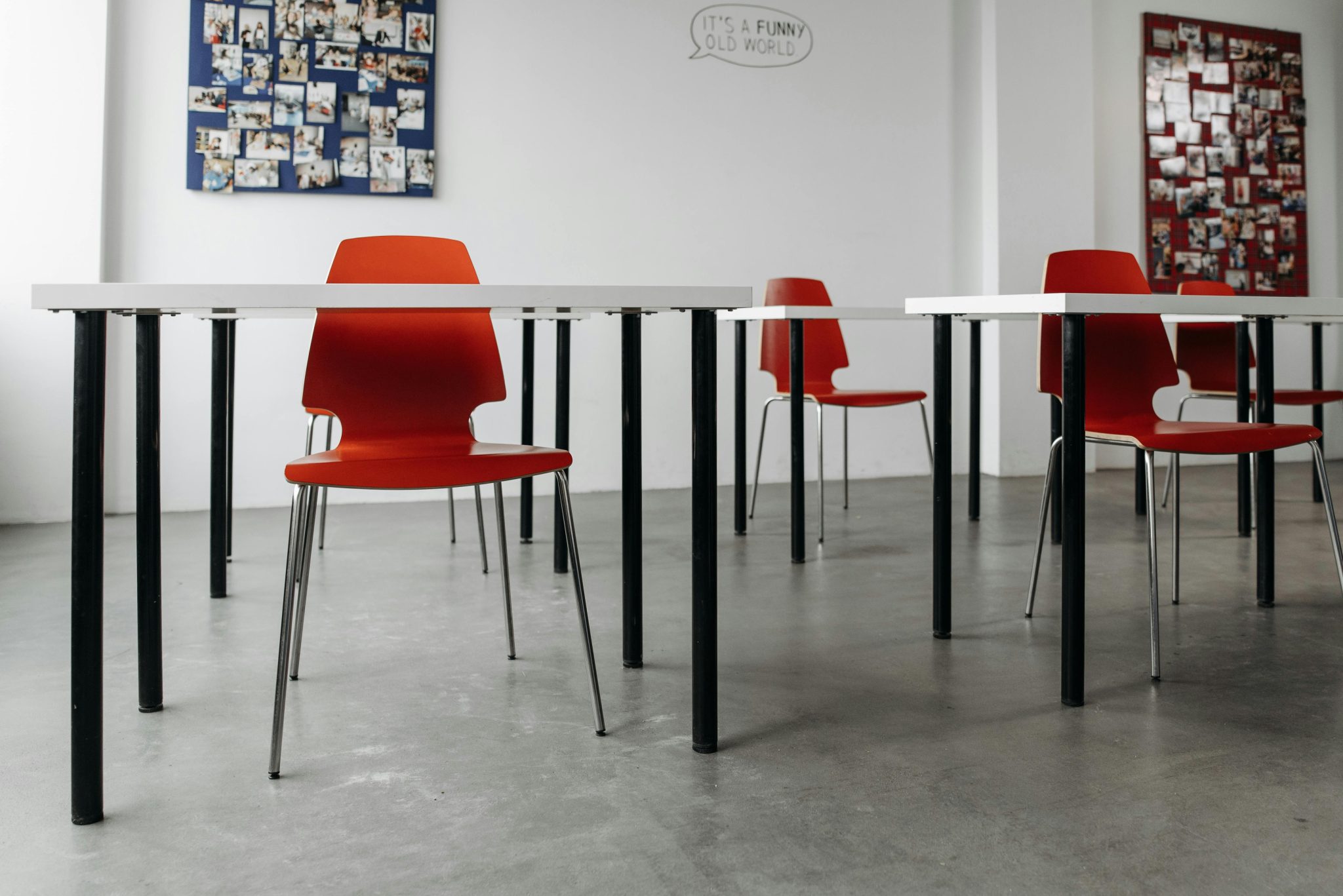
Functional table designs significantly shape practical and engaging classroom environments, particularly in subjects that rely heavily on hands-on learning. Science, technology, and art classrooms require specialized furniture that supports varied instructional methods and student needs. These tables are more than just flat surfaces; they are foundational tools for exploration, experimentation, and creativity.
Selecting the right Classroom Furniture improves a space’s functionality and the overall learning experience. Specially designed tables must be sturdy, versatile, and conducive to collaboration. Features such as height adjustability, mobility, and integrated storage are crucial in accommodating various teaching styles and classroom layouts.
Supporting Experimental Learning
Science classrooms demand table designs that prioritize durability, safety, and functionality. These environments often involve chemicals, heat, and specialized equipment, so the tables must be built from materials that can withstand heavy use. Common choices include phenolic resin and epoxy resin, known for their resistance to chemicals and moisture. Tables with integrated sinks, gas valves, and storage options help keep lab work organized and safe.
Adjustable height tables are beneficial for accommodating different age groups and experiment types. Group configurations also support collaborative science investigations. Smooth, non-porous surfaces reduce the risk of contamination and simplify clean-up procedures. In well-equipped science rooms, tables act as both workstations and safety platforms.
Facilitating Digital Integration
Tech classrooms require furniture that adapts to evolving digital tools and work processes. Tables in these environments often include built-in power sources, USB ports, and wire management systems to support laptops, tablets, and other devices. Surface durability is also critical, as tech labs see frequent use and shifting equipment. Modular table systems allow easy reconfiguration to suit both individual and group work.
Designs must support a balance of structure and flexibility. Ergonomically designed tables reduce fatigue during long hours of device use. Ample surface space ensures students can spread out both digital and physical materials. Tables that blend digital integration with traditional workspace needs promote learning.
Encouraging Creative Expression
Art classroom tables need to support creativity while offering structural stability for various activities. These tables often have larger surfaces for drawing, painting, sculpting, or mixed-media projects. Materials like solid maple or hardwood provide strong support and resist damage from repeated use.
Rounded corners and reinforced edges also contribute to safety and durability. Adjustable or tilted surfaces can enhance comfort during sketching and painting. Integrated shelving or drawers help store brushes, papers, and other supplies within reach. Art spaces benefit from table designs that balance openness with functional storage.
Multi-Functional Tables
Multi-functional tables are designed to serve various purposes in dynamic classroom settings. These tables may include features like collapsible legs, rolling casters, or interlocking edges, allowing different room configurations. They are often used in STEM labs or shared classrooms where flexibility is important.
Teachers benefit from switching between lecture, collaboration, and activity modes. Students can shift seamlessly between group work and solo projects without moving to a different room. Well-designed multi-use tables provide consistency across subjects while supporting diverse learning methods.
Accessibility in Table Design
Ergonomic furniture helps maintain student focus and physical comfort during long learning sessions. Tables with adjustable heights ensure accessibility for all students, including those with disabilities or physical limitations. Proper sizing and spacing between tables contribute to smoother classroom movement and interaction.
Designs that accommodate wheelchairs or assistive devices are essential in inclusive classrooms. Non-slip surfaces and rounded edges reduce risk and create a safer environment. When ergonomics and accessibility are considered, the classroom becomes more supportive for all types of learners. Attention to these factors improves both usability and student well-being.
Incorporating well-planned Classroom Furniture ensures that educational spaces are adaptable and ready to meet evolving instructional goals. Each subject area requires different features, from chemical-resistant lab surfaces to adjustable tops in art studios. Flexibility, durability, and student-centered design remain significant to effective classroom layouts. Table design, therefore, is not just about form; it directly impacts the function of modern education.