Influencer marketing has become one of the most powerful tools in the fashion industry. With social media shaping purchasing decisions, brands now rely on influencers to connect with audiences in authentic and engaging ways. Effective fashion influencer marketing strategies help brands build trust, increase visibility, and drive sales while maintaining a strong brand identity.
This article explores key influencer marketing strategies, platform selection, collaboration types, and best practices for fashion brands.
Understanding Fashion Influencer Marketing
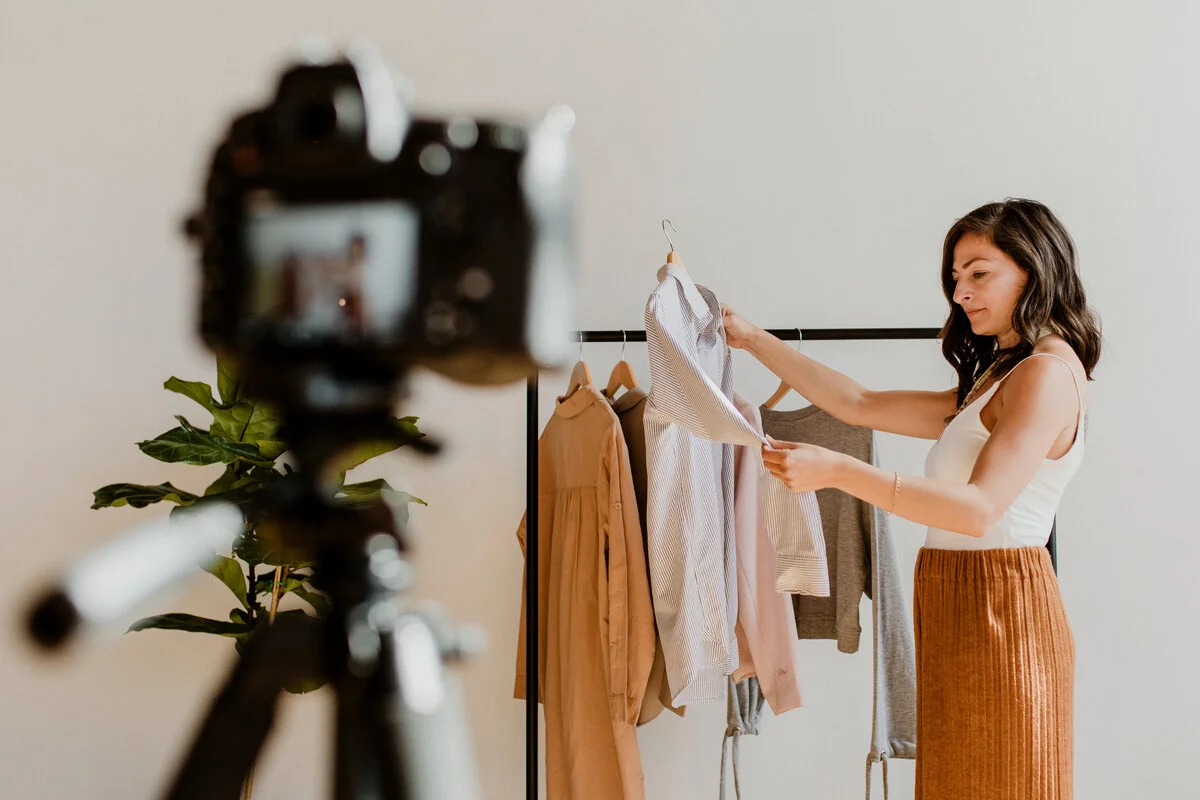
Fashion influencer marketing involves partnering with content creators who have a loyal audience and strong personal style. These influencers showcase clothing, accessories, or lifestyle products through posts, videos, and stories, influencing consumer perception and buying behavior.
Unlike traditional advertising, influencer marketing feels more personal and relatable, which increases engagement and credibility.
Types of Fashion Influencers
Choosing the right influencer depends on campaign goals and budget.
-
Mega influencers: Celebrities with millions of followers and massive reach
-
Macro influencers: Established creators with strong brand authority
-
Micro influencers: Smaller but highly engaged audiences
-
Nano influencers: Everyday consumers with niche, trust-based communities
Micro and nano influencers often provide higher engagement rates and authentic storytelling.
Platform-Specific Strategies
Instagram remains a leading platform for fashion influencer marketing. Brands use posts, reels, and stories to showcase outfits, styling tips, and behind-the-scenes content.
TikTok
TikTok focuses on short, creative videos and trend-driven content. Styling challenges, try-on hauls, and transformation videos perform particularly well.
YouTube
YouTube is ideal for long-form content such as lookbooks, brand reviews, and styling guides. It allows influencers to explain quality, fit, and versatility in detail.
Collaboration Models
Fashion brands can work with influencers in several ways:
-
Sponsored posts and videos
-
Product gifting and seeding
-
Affiliate marketing programs
-
Long-term brand ambassador partnerships
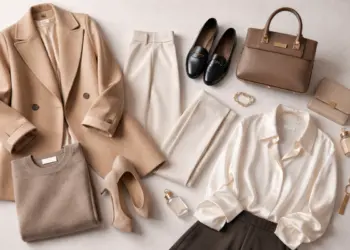
Long-term collaborations help create consistency and trust, especially for brands promoting timeless pieces like high quality basics clothing brands.
Authentic Storytelling and Content
Modern audiences value authenticity over overly polished advertising. Successful campaigns encourage influencers to style products in their own way and share genuine experiences.
Best practices include:
-
Allowing creative freedom
-
Highlighting real-life use cases
-
Encouraging honest reviews and styling tips
Authentic storytelling builds credibility and long-term customer loyalty.
Aligning Influencers With Brand Values
Selecting influencers who align with brand values is essential. Factors to consider include:
-
Personal style and aesthetics
-
Audience demographics
-
Engagement rate and authenticity
-
Brand safety and reputation
Alignment ensures campaigns feel natural and resonate with the target audience.
Measuring Campaign Success
Tracking performance helps optimize future campaigns. Key metrics include:
-
Engagement rate (likes, comments, shares)
-
Reach and impressions
-
Website traffic and conversions
-
Sales generated through affiliate links
Analyzing data ensures influencer partnerships deliver measurable results.
Challenges in Fashion Influencer Marketing
Despite its benefits, influencer marketing faces challenges such as:
-
Fake followers and low engagement
-
Oversaturated influencer content
-
Difficulty measuring ROI accurately
Careful influencer selection and transparent communication help overcome these challenges.
The Future of Influencer Marketing in Fashion
As social platforms evolve, influencer marketing will continue to shift toward authenticity, community-driven content, and long-term partnerships. Brands focusing on trust, storytelling, and genuine relationships will see the greatest success.
Final Thoughts
Fashion influencer marketing strategies play a crucial role in modern brand growth. By choosing the right influencers, creating authentic collaborations, and measuring performance effectively, fashion brands can build strong digital presence and meaningful customer connections. When executed thoughtfully, influencer marketing becomes a powerful extension of a brand’s identity and storytelling.