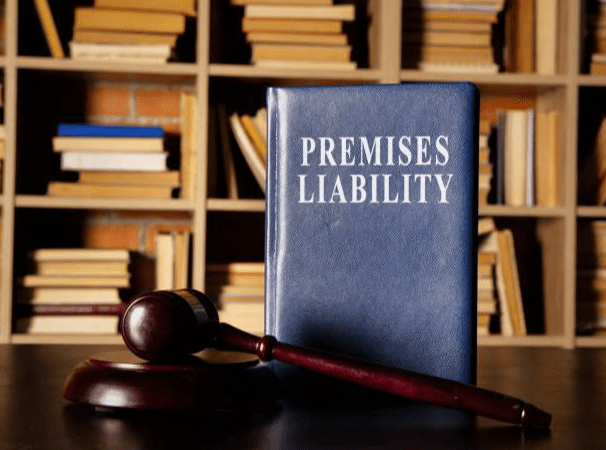
People who own or live on a property are legally responsible if someone gets hurt on their property because of unsafe conditions. This is called premises liability. People who get hurt in these situations may try to sue the property owner if their negligence led to their injury.
Las Vegas is famous for its busy casinos, hotels, and tourists, and every year, millions of people come to visit. Because the city has a lot of public areas, high-rise buildings, and entertainment venues, there are many places where people could get hurt.
If you get hurt in Las Vegas because of an unsafe property, you should talk to an award-winning premises liability lawyer in Las Vegas to find out what your rights are and how strong your claim is. Meanwhile, here’s everything you need to know about premises liability claims.
What is Premises Liability?
Premises liability deals with injuries that people suffer on someone else’s property because of a dangerous situation, and the owner failed to do what they should. This is not limited to just slip-and-fall accidents; it can also involve dog bites, negligent security, swimming pool accidents, bad lighting, and structural defects.
Who Owes a Duty of Care and to Whom?
The person who was hurt must first show that the property owner or someone in charge of the property owed them a legal duty in order to have a valid claim.
- The degree of duty often depends on your status on the property. Are you an invitee (a customer), a licensee (a social guest), or a trespasser?
- Instead of strict classifications, many states now use a “reasonable care” standard. However, trespassers usually don’t have much protection unless special conditions are met.
- People who own property must check for and fix or warn others about dangers they knew about or should have known about.
Key Elements to Prove in a Claim
For your claim to be valid, it usually needs to prove:
- A dangerous condition existed
There must be a hazard, like a wet floor, a broken stair, or bad lighting.
- A notice (real or constructive)
The owner must have known about the danger or should have known about it.
- A breach of duty
It took too long for the owner to fix the problem or warn people about it.
- Causation
The danger must have something to do with your injury.
- Damages
You must have been hurt in a way that can be compensated, like hospital bills, lost wages, pain and suffering, etc.
Statutes of Limitation and Timing
You have to make your claim by the due date set by state law. If you wait too long, you might not be able to file your case at all. Prompt action helps preserve evidence and avoids losing rights.
What Evidence Helps Your Case?
Some useful evidence include:
- Pictures or videos of the hazard
- Reports of the incident and maintenance logs
- Medical records and bills
- Statements from witnesses
- Expert testimony (safety, engineering)
Key Takeaways
- People who get hurt on someone else’s property can sue the owner for unsafe conditions.
- You have to prove duty, breach, causation, and damages.
- Act quickly because statutes of limitation are strict.