Luxury real estate may appear insulated from economic shifts, yet cycles still shape demand and investor behavior. Wealthy buyers feel less pressure during downturns, but liquidity and confidence in asset growth remain critical factors. Recognizing these patterns helps investors identify opportunities and avoid risk.
Unlike the broader housing market, ultra-high-end properties follow global wealth trends more than interest rates. During expansions, buyers pursue trophy assets, while downturns shift focus to security and value retention. The Fitzgerald Group, specializing in luxury homes in Beverly Hills and other prestigious cities, notes that sentiment and capital movement define how these cycles unfold.
Understanding the Economic Cycle and Its Real Estate Correlation
Economic cycles consist of four main stages:
- Expansion
- Peak
- Contraction
- Recovery
Each stage affects real estate values, investor sentiment, and access to financing. Luxury properties respond to these shifts differently because they attract a smaller, more global audience that relies on alternative financing and portfolio performance rather than traditional lending.
Moreover, unlike mainstream housing, the luxury sector depends heavily on global capital flows and geopolitical confidence, which can accelerate or slow market recovery regardless of domestic conditions.
Expansion Phase: The Catalyst for Luxury Growth
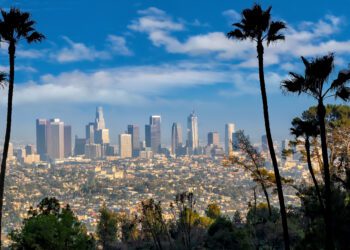
The expansion phase fuels optimism. Investors perceive real estate as a safe store of value, while economic growth increases disposable income. Luxury markets in New York, Los Angeles, and London typically see double-digit annual appreciation during such times. High liquidity and easy access to capital allow developers to launch ambitious projects, while foreign investors diversify portfolios by purchasing prime assets abroad.
Several factors amplify luxury real estate performance during expansions:
- Stock market gains increase investor confidence. Rising equity portfolios encourage wealth allocation toward tangible assets.
- Low-interest rates boost access to capital. Financing for large purchases becomes more accessible.
- Tourism and global business activity increase. International exposure enhances property desirability.
- Architectural innovation drives demand. Unique design and sustainability features attract high-end buyers.
Such conditions generate record-breaking sales, though they may also create inflated valuations. The following contraction phase tests which assets retain intrinsic value beyond speculative appeal.
Peak and Contraction: Adjusting to Market Realities
The transition from peak to contraction reveals the true resilience of luxury real estate. As interest rates rise or investor sentiment weakens, demand for secondary or speculative properties slows. Markets like Beverly Hills, Miami, and Monaco often experience extended listing times, price adjustments, and fewer international transactions.
During this phase, ultra-luxury buyers prioritize capital preservation. They seek established neighborhoods, architectural integrity, and limited-edition properties with historical or cultural significance. Price reductions in overbuilt markets present opportunities for strategic investors.
Key dynamics typically seen during contraction include:
- Liquidity tightening: Fewer transactions occur as credit conditions harden.
- Longer holding periods: Sellers wait for recovery to realize optimal returns.
- Shift from speculation to stability: Buyers seek proven assets with track records.
- Currency fluctuations: Exchange rate volatility affects foreign buyer participation.
Despite a slowdown in sales, prime real estate often retains its long-term value better than volatile asset classes such as equities or cryptocurrencies. The top 1 percent of buyers continues to drive transactions, though selectively and at negotiated terms.
Recovery: Opportunity and Recalibration
Economic recovery invites new strategies. Investors re-enter the market seeking discounted properties and long-term capital appreciation. Luxury developers reassess pricing and focus on niche projects catering to discerning clientele.
Investors aiming to capitalize on recovery phases should consider:
- Timing entry before public confidence returns: Early acquisitions yield higher appreciation.
- Targeting unique or limited-supply assets: Rarity maintains value across cycles.
- Leveraging private financing: Reduces exposure to restrictive bank policies.
- Partnering with established local agencies: Experienced advisors identify undervalued opportunities.
Such strategies help build resilience while positioning portfolios for the next expansion phase. The luxury segment’s cyclical nature rewards patience and informed risk-taking.
The Global Wealth Effect on Luxury Real Estate
Luxury property markets thrive when global wealth expands. Economic growth in regions like the Asia-Pacific and the Middle East continues to influence property investment patterns worldwide. High-net-worth individuals from emerging economies increasingly target cities such as Los Angeles, London, and Paris for asset diversification.
Fluctuations in global equity and commodities markets also shape investor behavior. When stock valuations fall, real estate becomes an attractive hedge against volatility. Conversely, strong financial markets often redirect capital away from physical assets into securities.

Consider these wealth-related influences on the high-end market:
- Global stock performance: Correlates directly with ultra-luxury property demand.
- Capital flow regulations: Affect international property transactions.
- Political stability: Encourages cross-border investment confidence.
- Currency strength: Determines purchasing power across markets.
As wealth expands globally, luxury properties remain a core component of portfolio diversification for institutional investors and private individuals alike. The challenge lies in identifying which markets offer long-term potential rather than short-lived hype.
Future Outlook
Looking ahead, luxury real estate will continue reflecting global financial sentiment. Economic cycles may shorten due to technological and geopolitical disruptions, requiring investors to remain agile. Markets driven by strong fundamentals, such as economic stability, lifestyle appeal, and limited land availability, will maintain resilience even during downturns.
Investors seeking to strengthen portfolios should focus on cities with robust economic ecosystems, transparent legal frameworks, and steady demand from both domestic and international buyers. Beverly Hills, New York, and Geneva exemplify this stability, combining prestige with consistent liquidity.
Understanding cyclical behavior allows investors to act decisively. Those who acquire high-quality properties during contractions and hold through expansions typically achieve superior long-term returns. Strategic patience and data-driven insight define success in an industry where timing determines profitability.