Buying a drone? Nowadays, there are thousands of models to choose from. Shopping for a drone can be overwhelming, but by understanding what type of drone you are looking for, you can narrow down your options. In this post, we’ll help to break down some of the different types and how to choose the right model.
The different types of drone
The majority of drones can be sorted into one of four categories:
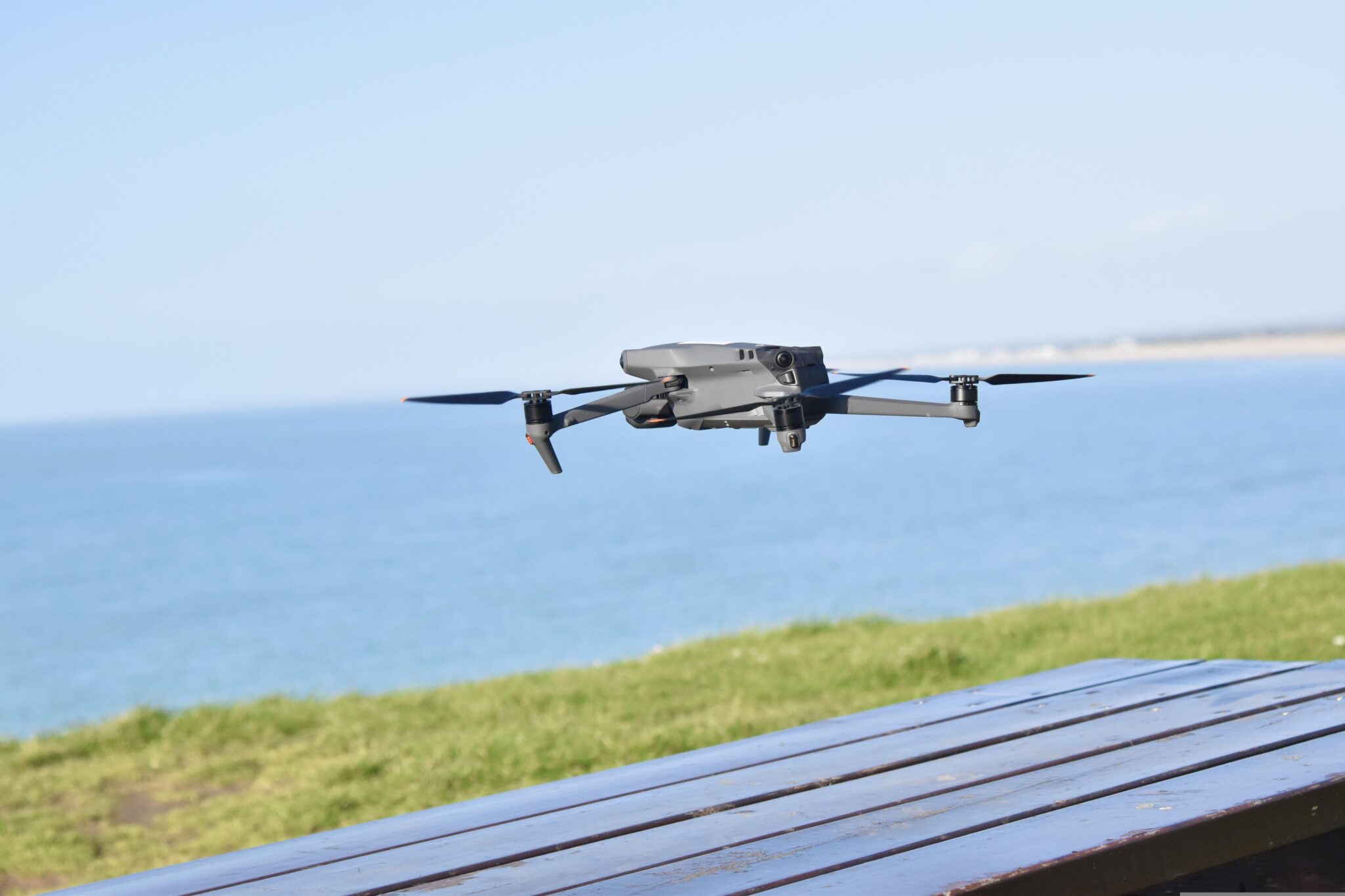
Multi-rotor drones
These are the most common types of drone. They have multiple propellers – in most cases, either four, six or eight. Movement is controlled by adjusting the speed of individual rotors which include vertical movement, horizontal movement, rotation and hovering. They are typically the simplest drones to control.
Single-rotor drones
Single-rotor drones are shaped like miniature helicopters. They consist of a large main propeller and a smaller tail propeller. They can be harder to control, but offer superior lifting capabilities.
Fixed wing drones
Fixed wing drones are shaped like airplanes and have wings instead of propellers. They require a runway or catapult to take off and cannot hover, but they can travel much faster than rotor-powered drones.
Fixed wing hybrid VTOL drones
These drones combine fixed wing cruising with the vertical take off and landing (VTOL) of a rotor-powered drone. This gives them greater flexibility of use, but they can cost a lot more and be more complex to operate.
By considering your purpose and experience, you can choose the right style .
Drone features to consider
It’s also important to look into some of the individual specs and additional settings. Some of these essential features include:
Camera quality
For photographers, this is essential. The best drones have a 4K resolution, a gimbal for stabilization, good low-light performance and support for RAW photos (important if you want to edit photos).
Flight time
Most consumer drones offer 20 to 35 minutes of flight time on a single battery charge. Some have a much greater battery life, while cheaper models may not even be able to fly for 20 minutes.
Flight control
There are many different control features to compare. Some drones are controlled using a specialist remote, while others are controlled using an app on a phone. High-tech features to look out for include GPS stabilization, return-to-home buttons and headless mode. Some drones can be made completely autonomous.
Obstacle avoidance
Some drones are fitted with sensors on their front, rear, sides and bottom. These sensors are able to detect objects and prevent crashes. Obstacle avoidance is a useful feature if you’re a beginner or using a drone in an enclosed space.
Signal distance
Also referred to as the ‘range’, this is the distance that your drone is able to travel away from the controls. Average consumer models can travel 1 to 5 miles, but more premium options can travel up to 19 miles. Some drones are designed to return home once they reach a certain range or may give warnings to let you know they’re about to lose connection.
Speed
Some drones are able to travel very fast. This is useful if you’re racing a drone or want to be able to survey large areas quickly. Be wary that faster drones may be less stable.
Choosing the right drone
With these different styles and specs in mind, you can start to pick out a drone that is right for your needs. To help you narrow down your options, it’s often worth asking yourself a few questions:
Is this your first drone?
If so, you should look for a lightweight entry-level drone that is easy to control. Multi-rotor drones tend to be the best choice as they offer good stability. Look into features like GPS-assisted flight, auto-hover and return-to-home buttons. Headless mode also makes controls easier by moving the drone in the direction you push the stick regardless of where the ‘nose’ is pointed. Obstacle avoidance can meanwhile prevent damage to your drone. Propeller guards are another feature to look out for that can help stop rotors breaking.
If you’re a bit more experienced, consider looking into a drone that is a bit more advanced. Such drones may allow you to disable certain controls like headless mode for more responsive control. Heavier drones may require training and a license in some areas around the world, so bear this in mind.
What will you use the drone for?
Drones can have many different purposes. Some of the main uses for drones include:
- Photography/videography: If this is your main reason for buying a drone, focus on camera quality. A 4K camera with a gimbal is a must. Models like the DJI Avata 360 can meanwhile provide 360-degree photography.
- Agriculture/farming: Some drones are designed for agricultural use and are able to carry heavy payloads of water, seeds or fertilizer. Others like the Mavic 3M are good for mapping.
- Surveys/exploration: Drones with a long range and large battery life are good for exploration tasks. Some also have 3D mapping technology.
- Recreation: Many drones are designed for recreational purposes. Choose fast drones if you want to get into drone racing.
In what locations and climates will you use the drone?
Some drones are designed for harsher environments. They have a high IP rating for dealing with rain, robust motors for high winds and specialized casing that can withstand high or low temperatures.
For use in low lighting or at night, it might be worth looking for a drone with night vision. HDR cameras also tend to offer better quality in low light.
Some drones also have palm takeoff capabilities, which means you don’t have to put them on the ground. This is useful if you’re going to be using your drone in locations with uneven terrain or tall grass.
Conclusion
Ultimately, choosing the right drone comes down to assessing your experience, your purpose and the environment that you plan to use it in. This can help you determine the best suited style and the features you need. Your budget is important too, but ideally you want to invest in something that is right for your needs rather than settling for a basic model.