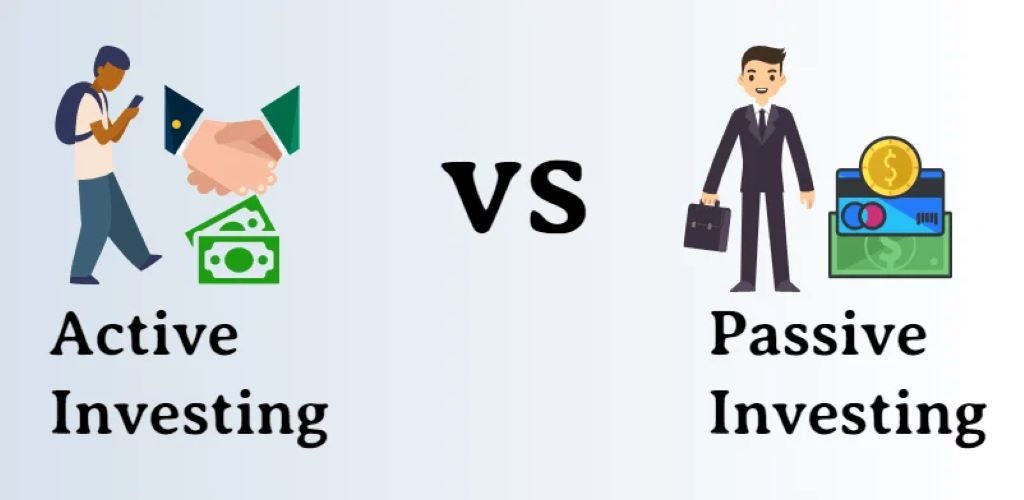
Investing is one of the most effective ways to build wealth over time, but choosing the right strategy is essential for success. Two of the most common approaches are active investing and passive investing. Understanding the difference between active and passive investing strategies can help you make informed financial decisions based on your goals, risk tolerance, and time commitment.
Both strategies have their advantages and drawbacks, and the right choice often depends on individual preferences and financial objectives. This guide explains how each approach works and how to decide which one suits you best.
What Is Active Investing?
Active investing involves frequent buying and selling of assets with the goal of outperforming the market. Investors or fund managers analyze market trends, company performance, and economic conditions to make investment decisions.
Key Features of Active Investing
-
Regular trading and portfolio adjustments
-
Focus on short-term market opportunities
-
Requires research, analysis, and expertise
-
Managed by professional fund managers or experienced investors
Advantages of Active Investing
-
Potential for higher returns than the market
-
Flexibility to respond to market changes
-
Ability to minimize losses during downturns
Disadvantages of Active Investing
-
Higher fees and transaction costs
-
Requires time and expertise
-
Risk of underperforming the market
What Is Passive Investing?
Passive investing focuses on long-term growth by tracking a market index rather than trying to beat it. Investors typically invest in index funds or exchange-traded funds (ETFs) that mirror the performance of a specific market index.
Key Features of Passive Investing
-
Buy-and-hold strategy
-
Minimal trading activity
-
Lower costs and fees
-
Focus on long-term returns
Advantages of Passive Investing
-
Lower management fees
-
Simplicity and ease of management
-
Consistent long-term performance
Disadvantages of Passive Investing
-
Limited potential to outperform the market
-
Less flexibility during market changes
-
Exposure to overall market downturns
Key Differences Between Active and Passive Investing
| Feature | Active Investing | Passive Investing |
|---|---|---|
| Strategy | Tries to beat the market | Tracks market performance |
| Management | Actively managed | Minimal management |
| Costs | Higher fees | Lower fees |
| Risk Level | Higher due to frequent trading | Moderate, market-dependent |
| Time Commitment | High | Low |
| Return Potential | Can outperform market | Matches market returns |
This comparison highlights how both strategies differ in terms of cost, effort, and potential returns.
Which Strategy Is Better?
There is no one-size-fits-all answer. The best strategy depends on your financial goals and personal preferences.
Choose Active Investing If:
-
You are willing to take higher risks
-
You have time to research and monitor investments
-
You aim to outperform the market
Choose Passive Investing If:
-
You prefer a low-cost, low-maintenance approach
-
You are focused on long-term wealth building
-
You want steady and consistent returns
Many investors combine both strategies to balance risk and reward.
Role of Financial Advisors
Choosing between active and passive investing can be challenging, especially for beginners. Seeking professional guidance can help you align your investment strategy with your financial goals. Understanding How to Choose a Financial Advisor Wisely ensures that you work with a professional who can recommend the best approach for your situation.
A financial advisor can also help diversify your portfolio and manage risks effectively.
Common Mistakes to Avoid
-
Switching strategies too frequently
-
Ignoring fees and expenses
-
Following market trends without research
-
Lack of diversification
-
Setting unrealistic return expectations
Avoiding these mistakes can improve your chances of long-term investment success.
Tips for Successful Investing
Diversify Your Portfolio
Spread investments across different asset classes to reduce risk.
Stay Consistent
Stick to your chosen strategy and avoid emotional decisions during market fluctuations.
Focus on Long-Term Goals
Short-term market changes are normal. Long-term consistency is key to building wealth.
Review Your Portfolio Regularly
Even passive investors should occasionally review their investments to ensure alignment with goals.
Frequently Asked Questions (FAQs)
1. What is the main difference between active and passive investing?
Active investing aims to outperform the market through frequent trading, while passive investing focuses on matching market performance over time.
2. Is passive investing safer than active investing?
Passive investing is generally less risky due to lower costs and long-term focus, but it still depends on market conditions.
3. Can I use both strategies together?
Yes, many investors combine active and passive strategies to balance risk and returns.
4. Which strategy is better for beginners?
Passive investing is often recommended for beginners due to its simplicity and lower costs.
5. Do active investors always outperform the market?
No, many active investors fail to consistently beat the market after accounting for fees and expenses.
Conclusion
Understanding the difference between active and passive investing strategies is essential for making smart financial decisions. Active investing offers the potential for higher returns but comes with greater risk and effort, while passive investing provides a simpler and more cost-effective way to grow wealth over time.