Credit card debt can feel like it’s never-ending. You make payments every month, but the balance barely moves. That’s because credit card interest can quietly add up in the background, making it harder to catch up.
Knowing how long it will take to pay off your credit card — especially once interest is included — is a critical step toward getting control of your finances. This guide breaks down the key factors, shows how to use tools to calculate your debt timeline, and explains strategies to pay off your balance faster.
Why Interest Makes a Huge Difference
Credit cards don’t just charge you for what you spend. They also charge interest on any unpaid balance. This interest isn’t applied once per month. It’s calculated daily, based on your average daily balance. That means even if you don’t use your card again, your balance can keep growing if you only make small payments.
Credit card interest is tied to your APR, or annual percentage rate. But APR is just the yearly number. To understand how interest affects your balance, you need to look at the daily rate. For example, a 20% APR translates to about a 0.055% daily interest rate. That daily rate gets applied to your balance every single day.
Let’s say you carry a $5,000 balance at 24% APR and only make the minimum payment each month. Depending on your minimum payment formula, it could take more than 15 years to pay off. And you could end up paying over $6,000 just in interest.
What Factors Affect How Long It Takes to Pay Off Credit Card Debt?
How long it takes to pay off credit card debt depends on several variables. These are the main factors that determine your timeline:
- Current balance: A higher balance will take longer to pay off, especially with interest compounding daily.
- APR: The higher your interest rate, the more you’ll pay over time, and the longer it will take to eliminate your debt.
- Minimum monthly payment: If you only pay the minimum, most of your payment goes toward interest, not principal.
- Extra payments: Making extra payments or paying more than the minimum can drastically shorten your payoff time.
- Fees: Late fees or annual fees add to your balance, which increases your total interest and extends your timeline.
Even small changes in one of these areas can change how long you’ll be in debt. That’s why using a credit card interest calculator is so helpful. It gives you a realistic estimate of how long your current approach will take and what it will cost in interest.
How to Use a Credit Card Interest Calculator
A credit card interest calculator is a simple tool that helps you estimate how much interest you’ll pay and how long it will take to pay off your debt based on your current balance, interest rate, and monthly payment.
To use one effectively, gather the following information:
- Your current balance
- Your APR
- How much you’re paying each month (either the minimum or a set amount)
Enter this data into the calculator. The result will show how many months or years it will take to pay off the balance completely. It will also estimate how much you’ll pay in interest by the end. Some calculators even let you adjust your payment amount to see how faster payments reduce your debt timeline.
This is a straightforward way to understand the real cost of carrying a balance and plan a more aggressive payoff strategy.
Example Scenarios
Let’s look at two sample cases to see how credit card debt plays out with interest.
Scenario 1
- Balance: $3,000
- APR: 24%
- Monthly payment: minimum (about 2% of balance)
If you only make minimum payments, it could take over 17 years to pay off. You’d pay more than $4,500 in interest on top of your original balance.
Scenario 2
- Balance: $3,000
- APR: 24%
- Monthly payment: $150 (fixed)
At this rate, you could pay off the balance in just over 2 years. Your total interest paid would drop to around $800.
These numbers show that how much you pay each month makes a huge difference in your total cost and timeline.
Strategies to Pay Off Debt Faster
If you’re trying to speed up your debt repayment, here are proven ways to do it:
- Pay more than the minimum
Even a small increase in your monthly payment cuts down your interest and speeds up your timeline. - Use the avalanche or snowball method
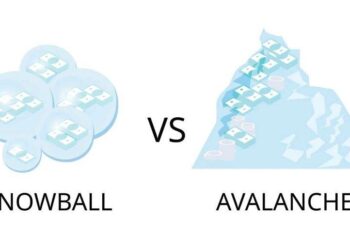
With the avalanche method, you pay off the highest interest debt first. The snowball method starts with the smallest balance to build momentum. Both can be effective depending on your motivation. - Consider a balance transfer
Some credit cards offer 0% APR for a limited time on transferred balances. This gives you a window to pay down your debt without accumulating interest, but be sure to pay it off before the promo period ends. - Look into a personal loan
A personal loan with a lower fixed interest rate can help consolidate multiple credit card balances into one manageable payment.
Common Questions
How long will it take to pay off $5,000 in credit card debt?
It depends on your interest rate and how much you pay each month. If your APR is 20% and you only pay $100 monthly, it could take nearly 8 years and cost over $4,000 in interest.
Is it better to pay off the highest interest card first?
Yes. This approach reduces the total interest you pay. It’s called the avalanche method.
Can a credit card payoff calculator be wrong?
The calculator gives an estimate based on what you input. If your payments, interest rate, or balance change, the actual results will vary.
What if I keep using the card while paying it off?
Your payoff time will stretch out further. To reduce debt, it’s best to stop using the card and focus on repayment.
Final Thoughts
Credit card debt doesn’t have to last forever, but paying it off takes a plan. Interest charges are a major factor that extends your timeline, especially when you stick to minimum payments.
Understanding how long it will take to pay off your balance — and how much you’ll pay in interest — helps you take back control. Use a credit card interest calculator to see where you stand today. Then, make adjustments to your payments or strategy to move closer to being debt-free.