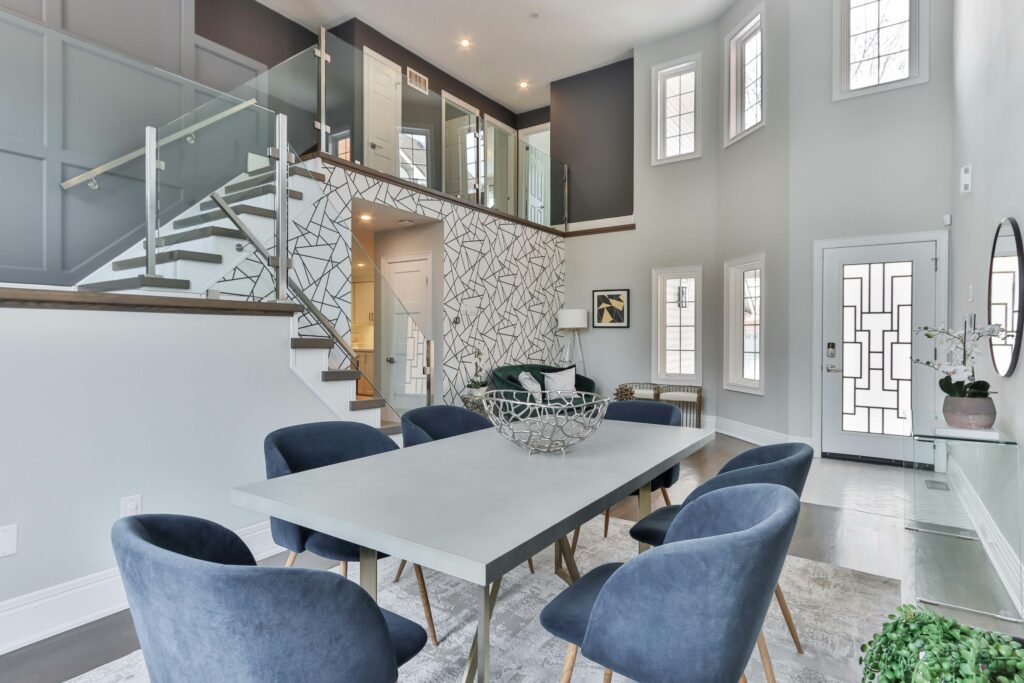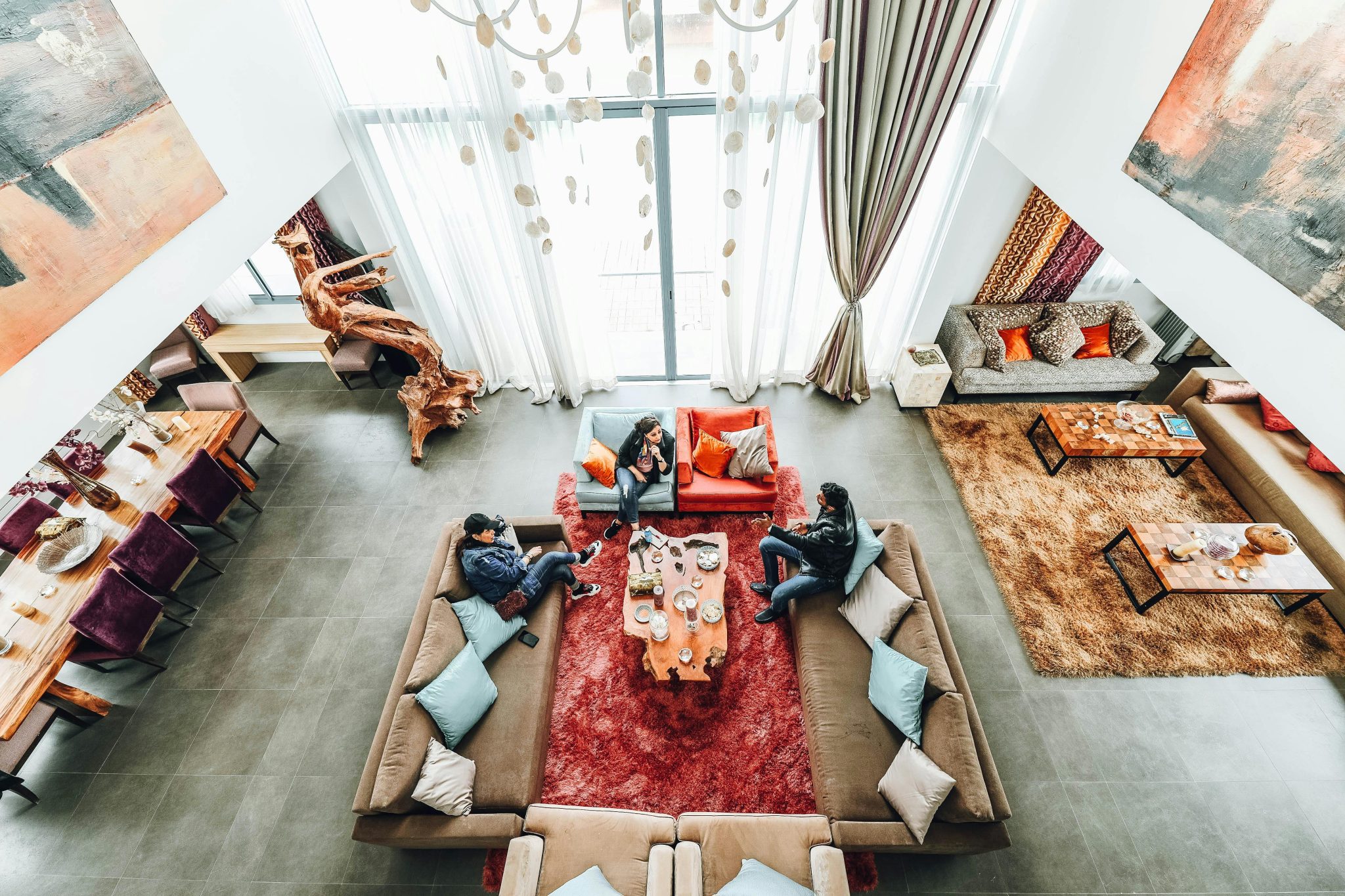
Your home is more than where you live it’s the place that you spend most of your time and somewhere you need to feels safe. It’s your rest, your routine, and your space to reset so, it is important to make sure it somewhere you can come back to and completely turn off.
But building a home that works for you is not about buying new things or copying trends. It’s about making intentional choices that fit how you live.
Whether you rent, own, live by yourself, or share your space with friends or family, the goal is the same.
You need to make sure your home supports your lifestyle rather than work against it.
Here’s how to create a home that feels right, stays functional, and gives you peace of mind.
Start With What You Actually Use
Take a look around your home. How many things do you use every day? Every week? How many just sit there?
Most homes are full of stuff that doesn’t serve a purpose. The key to a more comfortable space is removing what you don’t use, so the things you do use are easier to reach, store, and enjoy.
Start small. Pick one drawer, shelf, or corner. Ask yourself: Do I use this? Do I like this? Does this need to be here?
You don’t need a full weekend of decluttering. Just build a habit of removing one thing at a time.
Create space for the things that make your life easier. Keep your go-to items where you can grab them fast. Let your space reflect your daily habits, not someone else’s version of perfect.
Function Comes Before Aesthetic
We all want our homes to look nice. But the best-looking room is useless if it doesn’t work for your life.
Before you think about colors, art, or styling, think about how you use the space.
- Do you cook often? Then counter space and storage matter more than decor.
- Work from home? Then lighting, desk comfort, and noise control take priority.
- Have kids or pets? Then, surfaces should be easy to clean and built to last.
Design follows function. Once your setup fits your routines, you’ll naturally start seeing where comfort, color, or personal touches can be added.
Don’t rush the aesthetic part. Let it grow with you. Start with what makes the space work better, and style around that.
Protect What You’re Building
Your home reflects the time, money, and care you’ve invested. It’s where your belongings live, where your memories are made, and where your routine feels stable.
That’s why protection matters.
If you own your home, this is about more than the mortgage. It’s about making sure unexpected events don’t undo what you’ve built. Fire, flooding, theft, or storm damage can hit when you least expect it.
Even if you rent, you still need to protect what’s inside your space.
Take time to look into the right coverage. A reliable home insurance policy helps cover repairs, damage, or replacement costs when things go wrong. It also gives you peace of mind. That frees up your attention for the things you care about most.
You don’t need to overthink it. Just make sure your protection matches what your home is worth to you.
Keep Systems Simple and Repeatable
A home that runs smoothly doesn’t need to be perfect. It just needs to be easy to reset.
Think in terms of systems. Not complex ones, just repeatable routines.
- A basket by the door for keys and mail
- A laundry day that always happens on Sunday
- A spot for dirty dishes that gets cleared every night
- A once-a-month restock list in your phone
These small systems remove friction. They reduce the number of decisions you need to make. And they make your space feel more stable without much effort.
You don’t need to overhaul everything at once. Just notice what tasks slow you down or pile up. Then create a simple habit or storage solution to smooth that out.
If it’s easy to reset, your home stays in balance without much thought.
Let Your Space Change With You
Your needs will change. Your space should too.
What worked for you last year might not fit now. Maybe you started working from home, started cooking more, or need a place to exercise indoors. That’s normal.
Your home should support your current life, not lock you into an old routine.
Rearrange your furniture. Clear out old categories of clutter. Shift the layout to match your energy.
If your space feels stuck, don’t buy something new right away. Try subtracting first. Create open space. Then move things around and see what feels better.
A flexible home feels more alive. And when your space works better, your day does too.
Keep It Personal
A good home doesn’t have to impress anyone. It just needs to feel like you.
Display the things that matter. Photos of people you love. Books that shaped you. Gifts from people you respect. Items that hold meaning, not just visual appeal.
Personal touches are what turn a functional space into a warm one that is welcoming. It helps you to create somewhere that encourages you to be mindful and rest when you need to.
You don’t need to follow trends or match what you see on Instagram. Your space is yours. It’s allowed to be different, quiet, or even weird.
Create areas for rest, for focus, for comfort. Light your favorite candle. Frame that sketch you’ve had for years. Put up notes that keep you grounded.
Conclusion
A better home isn’t about buying more, styling better, or choosing the perfect layout.
It’s about feeling supported in your space. It’s about flow, rhythm, and peace of mind.
Start small. Clear out what you don’t use. Set up routines that reduce friction. Choose function before form. Protect what matters. And let your space reflect the life you’re living now.
A good home evolves. It meets your needs. It holds your focus. It gives you space to grow.
That’s what makes it yours.