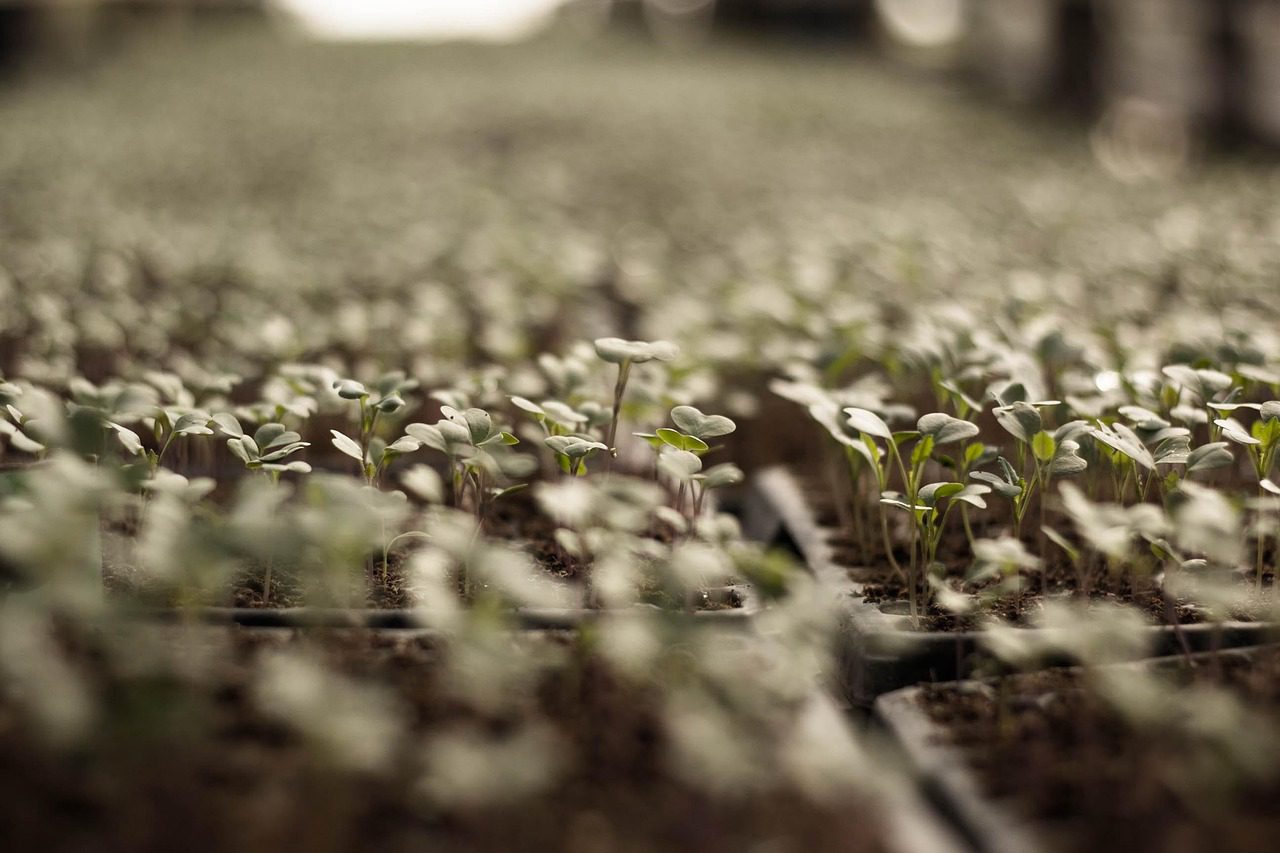
The agricultural field is growing as the demand for food continues to escalate due to population growth and changing dietary needs. Optimizing agricultural environments is a necessity. It is a necessity for growers who want to ensure sustainability and productivity.
This optimization involves a combination of innovative techniques, technologies, and practices that contribute to higher yields and better resource management. By understanding core principles, farmers and agricultural businesses can create environments that enhance crop production and contribute to environmental conservation.
This guide delves into those fundamental principles key to optimizing agricultural environments, focusing particularly on infrastructure, nutrients, water management, and technological advancements.
Understanding Infrastructure
Infrastructure forms the backbone of optimized agricultural environments. A well-designed infrastructure can significantly improve operational efficiency and crop productivity.
Structures such as greenhouses are instrumental in providing controlled environments where multiple crops can flourish regardless of external weather conditions. This controlled atmosphere mitigates risks associated with pests and diseases, leading to healthier crops.
Proper infrastructure includes physical buildings and systems for logistics, storage, and transportation of produce. Recently, greenhouse manufacturing and distribution have adopted sustainable practices to reduce their carbon footprint while maintaining high-quality standards. Developing infrastructure tailored to specific crops can drastically boost yield potentials.
Certain crops thrive in high-altitude conditions, which necessitates the construction of greenhouses in elevated terrains. Different regions may require varying designs and materials to optimize insulation and ventilation. Farmers need to invest in high-quality infrastructure that supports ongoing maintenance and ease of access.
Soil Health and Nutrient Management
Soil serves as the foundation for agricultural success. Healthy soil leads to robust crop growth, making soil health management imperative for optimized environments. This involves ensuring that nutrients such as nitrogen, phosphorus, and potassium are present in adequate amounts to support plant health.
Regular soil testing allows for accurate assessment and adjustment of nutrient levels. Practices like crop rotation, cover cropping, and conservation tillage contribute to maintaining soil fertility and structure. Incorporating organic matter into the soil is equally important.
This can come from compost, green manures, or biochar, which enhance nutrient availability and improve soil moisture retention, and promote beneficial microbial activity. Farmers should be aware of the balance between chemical inputs and organic practices to avoid soil degradation and ensure long-term viability. By employing integrated soil fertility management strategies, growers can optimize nutrient cycling and enhance soil health.
Efficient Water Management
Water efficiency is a crucial aspect of agricultural optimization as climate change leads to unpredictable rainfall patterns. The capacity to manage water resources effectively can significantly impact crop yield and quality.
Implementing irrigation systems that allow for precision watering can minimize water waste and ensure that crops receive the right amount of moisture. Techniques such as drip irrigation, rainwater harvesting, and moisture-sensing systems enable farmers to optimize their water usage based on current soil conditions.
Considering the timing of irrigation is key. Watering during certain times of the day can lead to reduced evaporation rates, hence maximizing water availability for crops.
Farmers need to build infrastructure that supports drainage and prevents waterlogging, which could harm root systems. By utilizing data analytics in conjunction with weather forecasts, growers can predict water needs more accurately and respond appropriately, resulting in reduced costs and extended crop longevity.
Technology Integration
Technological advancements have transformed the agricultural sector in unprecedented ways. The incorporation of smart technology, such as sensors, drones, and automated systems, supports enhanced decision-making processes for growers.
Sensors can provide real-time data regarding soil moisture, nutrient levels, and climatic conditions, enabling precise management of resources. Drones, on the other hand, can cover vast areas quickly, offering insights into crop health and distribution.
Advancements in data analytics allow for better planning and yield predictions, making it easier for growers to allocate resources efficiently. Implementing technologies such as remote sensing can assist in the timely identification of issues such as pest infestations or nutritional deficiencies, allowing for swift intervention.
Biosecurity Measures
As agricultural environments evolve, so do the challenges associated with pests and diseases. These threats have the potential to devastate entire crops, making biosecurity a crucial aspect of agricultural optimization.
Establishing effective biosecurity measures can safeguard both consumers and farmers. This begins with monitoring practices that identify any unusual signs of pests or diseases early on.
Incorporating barriers, such as fencing and netting, can protect crops from wildlife while ensuring that plant health is maintained. Intercropping or rotational planting fosters biodiversity and reduces the likelihood of pest infestations by interrupting life cycles.
Educating all stakeholders involved in agricultural production on biosecurity practices strengthens community efforts to combat threats to crop productivity.
Adopting Sustainable Practices
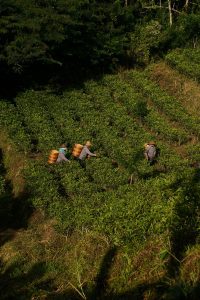
Sustainability serves as a guiding principle for optimizing agricultural environments. Employing sustainable agricultural practices results in long-term viability while minimizing environmental impact. Techniques such as permaculture and agroforestry promote ecological balance and enhance biodiversity, which are critical for resilient farming systems.
Implementing practices that reduce reliance on chemical fertilizers and pesticides can lead to healthier ecosystems and produce. Using cover crops protects soil from erosion and can contribute to nutrient cycling and suppress weeds naturally. Farmers should aim for practices that conserve energy and reduce waste, as this translates to both ecological benefits and economic savings.
Transitioning to sustainable systems can even enhance marketability, as consumers are increasingly favoring ethically sourced products. By implementing these practices, agricultural environments can thrive without sacrificing future generations’ ability to produce food sustainably.
Optimizing agricultural environments involves an understanding of integrated practices that encompass infrastructure, soil health, water management, technology, and sustainability. As agriculture continues to innovate, embracing these principles bolsters yields and contributes to resilient ecosystems that can withstand future challenges. By focusing on these core factors, growers are better equipped to navigate a dynamic agricultural area, ensuring food security and sustainability for generations to come.