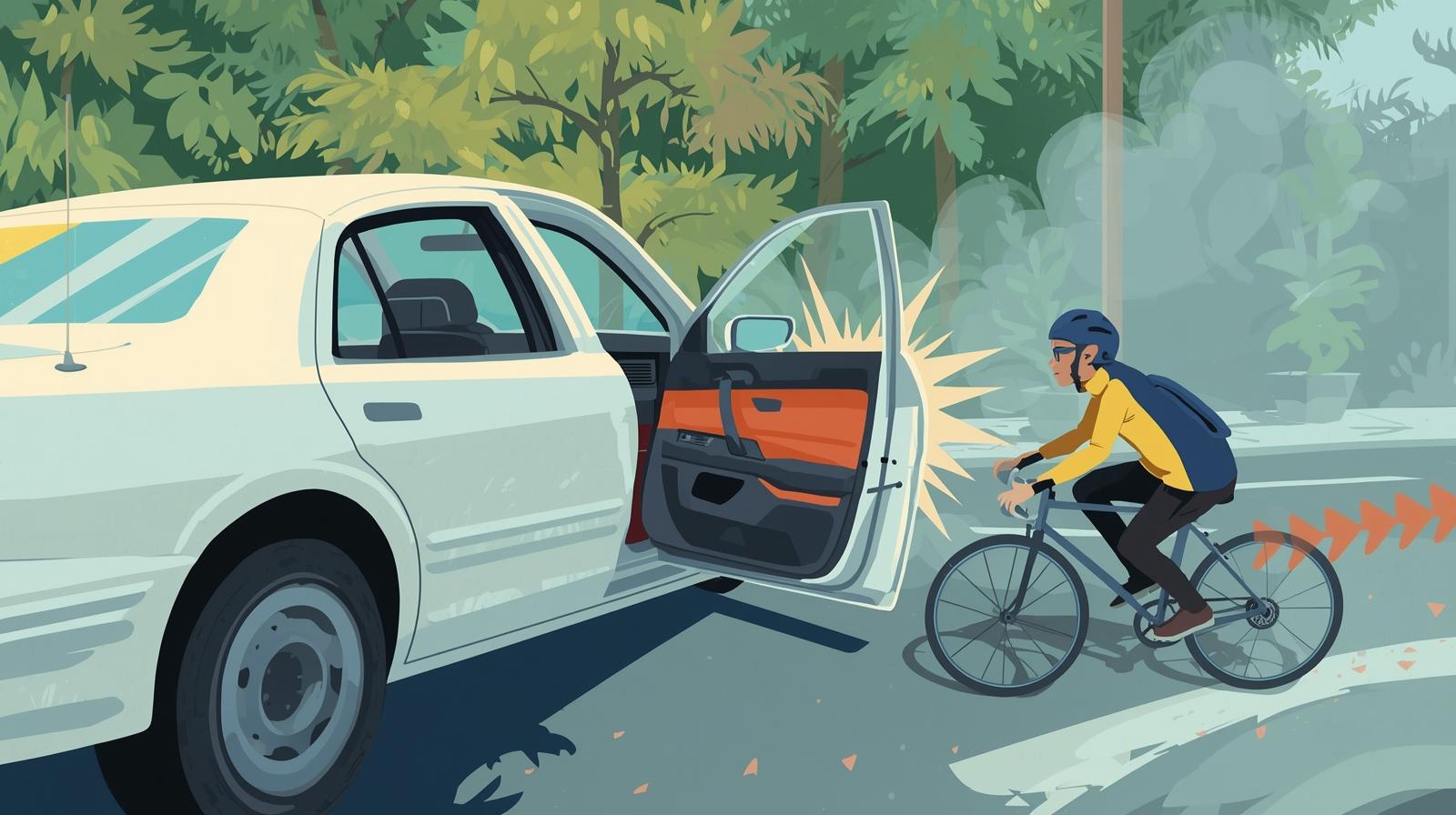
It’s a split-second mistake—a driver parks, grabs their bag, and swings open the car door without a second glance. For them, it’s routine. But for a passing cyclist or motorcyclist, it can be a life-altering disaster. The impact is often instantaneous and violent, throwing the rider off balance and onto unforgiving pavement or directly into moving traffic.
Car-dooring may sound like a minor mishap, but its consequences are anything but small. Riders who survive these collisions are often left with broken bones, concussions, or lifelong injuries. Recovering from such a crash takes not only medical care but also legal support. That’s where a dedicated motorcycle accident lawyer becomes indispensable—helping victims prove fault, fight insurance battles, and secure the compensation they deserve for injuries that should never have happened in the first place.
A Split Second That Changes Everything
Cyclists and motorcyclists share one thing in common—their exposure. Without the protection of steel frames, airbags, or seatbelts, their bodies absorb every ounce of impact. When a car door suddenly opens into their path, reaction time is measured in fractions of a second. Even a light impact can throw a rider into the street, while a direct collision often sends them crashing into oncoming vehicles.
The irony of car-dooring accidents lies in their preventability. A simple glance in the mirror or over the shoulder could avert tragedy. Yet, these preventable errors continue to happen every day, particularly in crowded cities where riders and parked vehicles compete for limited space.
What Really Causes Car-Dooring Accidents
Behind every dooring incident is a moment of carelessness—a distraction, a habit, or a false sense of safety. Most drivers simply don’t anticipate that a cyclist or motorcyclist might be traveling within inches of their car door.
Common causes include:
- Failure to look before exiting: Drivers or passengers open doors without checking mirrors or blind spots.
- Parking near bike lanes: Poorly designed or narrow lanes force riders closer to parked cars.
- Distracted behavior: Checking phones, adjusting music, or talking to passengers while exiting.
- Passengers in rideshares: Unfamiliar with road safety rules, they may open doors into active lanes.
- Low visibility: At night or in poor weather, riders are even harder to see.
Each of these reasons has one thing in common—complacency. Drivers and passengers underestimate the danger of a single thoughtless action, while riders are left paying the price.
The Lasting Consequences for Riders
The physical aftermath of a car-dooring accident is often devastating. Cyclists may be thrown from their bikes into moving traffic or slam directly into the pavement. Motorcyclists, traveling at higher speeds, can suffer even more catastrophic injuries. The most common include broken limbs, traumatic brain injuries, spinal cord damage, and deep lacerations.
Yet beyond the visible wounds lies an emotional toll that’s harder to measure. Victims frequently struggle with anxiety, flashbacks, or fear of riding again. For many, the open road—once a symbol of freedom—becomes a place of hesitation and vulnerability. These emotional scars deserve as much recognition as the physical ones when pursuing compensation and justice.
Determining Who’s at Fault
In most jurisdictions, traffic laws are clear: the person who opens a vehicle door into oncoming traffic is responsible for ensuring the way is clear. This means the driver or passenger who failed to check for approaching riders is typically at fault. However, proving this in practice isn’t always simple.
Insurance companies may argue that the rider was traveling too fast or too close to parked cars. Some may even claim the cyclist or motorcyclist should have swerved in time to avoid the door. These defenses can be frustrating and deeply unfair. That’s why evidence—photos, witness statements, and police reports—plays such a critical role. A skilled attorney ensures every detail is documented and every argument is challenged.
Building a Strong Legal Case After a Dooring Crash
A well-built legal case doesn’t just happen—it’s constructed carefully, step by step. The goal is to establish a clear link between the driver’s negligence and the victim’s injuries. Every photo, medical record, and witness statement matters.
Victims should:
- Call the police immediately to ensure an official report is made.
- Take photos of the scene, showing the open door, vehicle position, and any bike lanes or markings.
- Get the driver’s and witnesses’ contact details.
- Seek medical attention right away, even if symptoms seem mild.
- Avoid making statements to insurance adjusters without legal advice.
These steps not only protect the victim’s health but also strengthen their legal position. The more thorough the documentation, the harder it becomes for insurers to deny or minimize a valid claim.
Prevention: How Simple Awareness Saves Lives
Preventing dooring accidents isn’t complicated—it just requires mindfulness. One of the simplest techniques is known as the Dutch Reach: instead of opening the door with the hand closest to it, drivers use their far hand. This motion forces them to turn their body, naturally checking for oncoming cyclists or motorcycles before exiting.
Cities and communities can also contribute by improving bike lane designs, adding reflective markings, and enforcing safe parking distances. Motorcyclists and cyclists, for their part, can protect themselves by maintaining a safe distance from parked vehicles, using lights even during the day, and staying alert for sudden movements inside cars. When both drivers and riders take responsibility, countless tragedies can be avoided.
Healing After a Dooring Accident
The road to recovery after a car-dooring accident can be long and uncertain. Victims often face months of physical therapy, missed work, and emotional recovery. The process is not just about healing injuries—it’s about reclaiming confidence, independence, and peace of mind.
With the right support network—medical professionals, family, and a strong legal team—victims can rebuild their lives. A knowledgeable attorney ensures that all losses are accounted for, from medical expenses and rehabilitation to emotional pain and future earning potential. Justice may not erase the trauma, but it helps restore balance and dignity, allowing victims to move forward with strength and security.
Turning Awareness Into Action
A dooring accident is the tragic result of a moment’s inattention. But every driver, passenger, and rider has the power to prevent it. Raising awareness, practicing safe habits, and holding negligent parties accountable can transform roads into safer spaces for everyone.
Legal advocacy plays a vital part in that mission. Pursuing justice allows victims to recover what they’ve lost while shining a light on the dangers that too many overlook. Each case sends a message: a split second of carelessness can destroy a life, yet awareness—and accountability—can save one.