Updated posts August 2026
Ancient Marcus Aurelius Statue Seized from Cleveland Museum Amid Looting Investigation
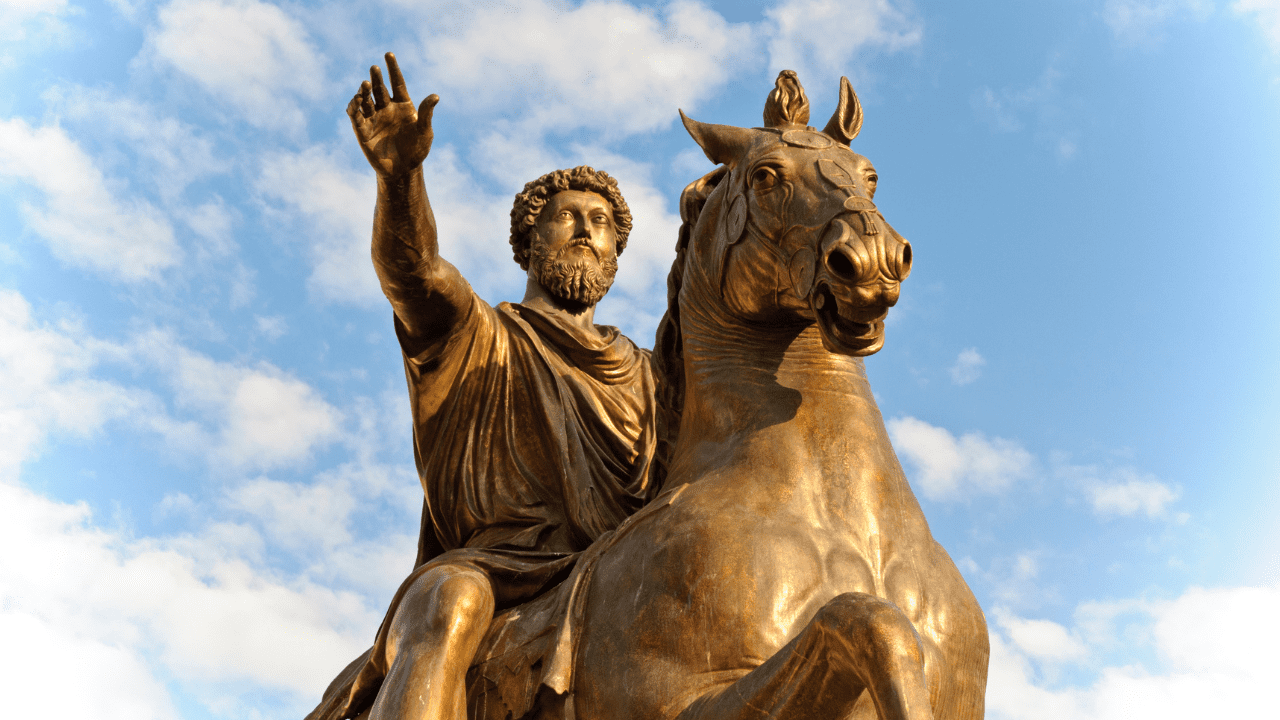
In a major development, authorities have confiscated an ancient bronze statue, suspected to represent Roman Emperor Marcus Aurelius, from a Cleveland, Ohio museum.
Looting Probe
The statue, standing an impressive 76 inches, or 1.9 meters, tall and dating back 1,800 years, is estimated to be worth $20 million, or roughly £16 million. It was removed from the museum earlier this month by New York investigators examining allegations that it was looted in the 1960s from Bubon, located in southern Turkey.
A Mysterious Journey
The origins of the statue’s presence in Ohio remain unclear, as authorities have not disclosed how it ultimately ended up there.
Historical Significance
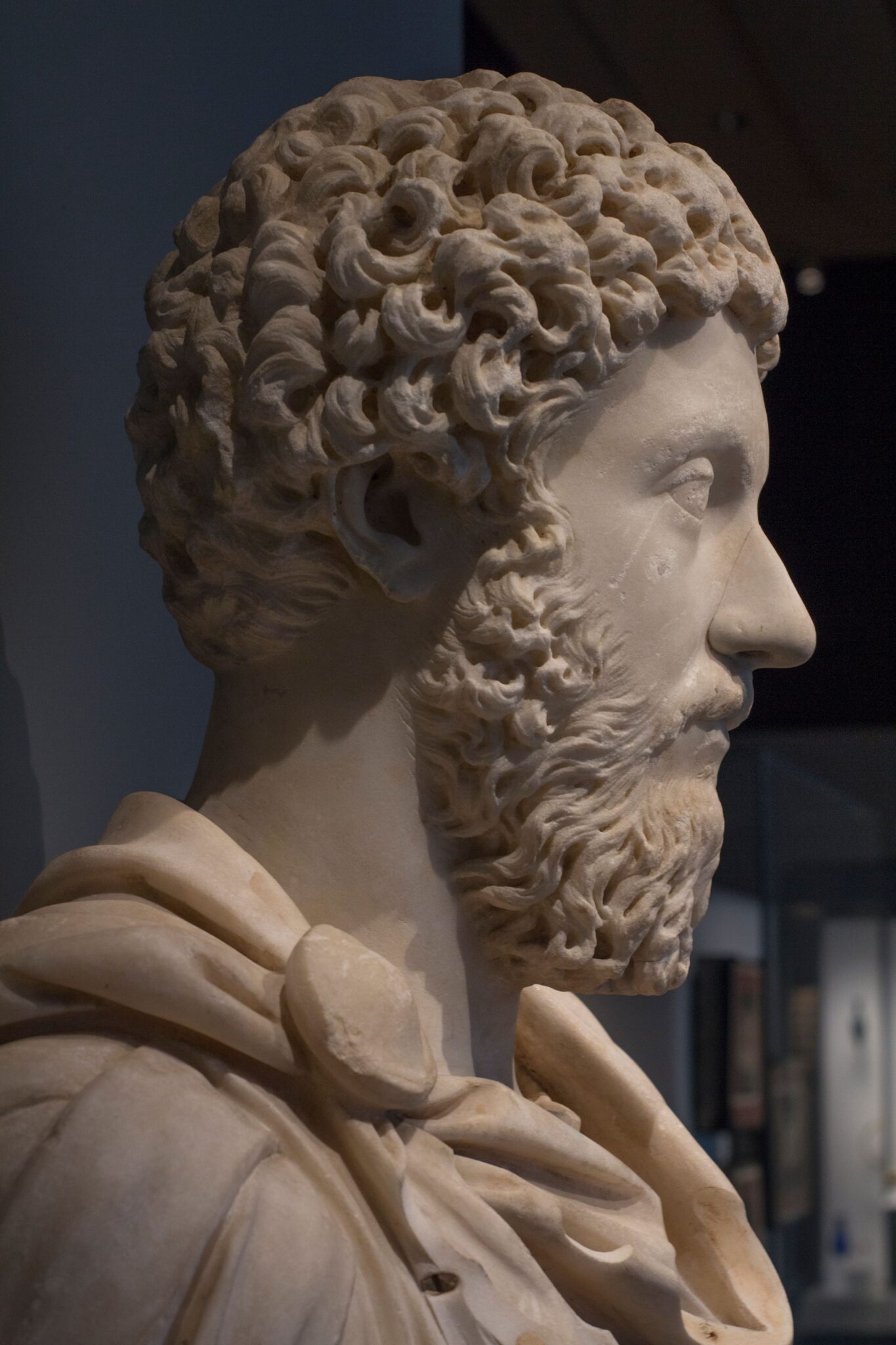
The statue depicts what appears to be a statesman and philosopher, draped in a flowing robe. For years, it was a prominent display at the Cleveland Museum of Art, originally described as “The Emperor as Philosopher, probably Marcus Aurelius (reigned AD 161-180).”
However, the museum’s website recently revised its description, relabeling the piece a “Draped Male Figure, c. 150 BCE to 200 CE,” possibly of Greek or Roman origin, a subtle but notable shift in how the museum now frames the statue’s identity.
The Museum’s Response
While the museum has not directly refuted the looting allegations, it has emphasized its commitment to addressing provenance concerns responsibly. In a statement, the institution said it “takes provenance issues very seriously and reviews claims to objects in the collection carefully and responsibly.” The statement also noted the importance of open dialogue between all relevant parties in working toward a resolution.
Details of the Investigation
New York investigators have shared limited information about the seizure, stating only that it is linked to an ongoing criminal investigation into a smuggling network involving antiquities looted from Turkey and trafficked through Manhattan.
Turkey’s Long-Standing Claim
Turkey has asserted ownership of the Marcus Aurelius statue for over a decade, first making the claim in 2012 when it released a list of nearly two dozen items alleged to have been looted from Bubon.
Zeynep Boz, head of the Department for Combating Illicit Trafficking at Turkey’s Ministry of Culture and Tourism, expressed hope for resolution, stating that “the enduring dispute surrounding this matter has kept Marcus Aurelius separated from his hometown for far too long.”
Part of a Broader Pattern
This incident echoes a similar case from 2018, when fragments of an almost 2,000 year old mosaic depicting a young girl were returned to Turkey from Ohio’s Bowling Green State University.
Why These Cases Keep Surfacing
What makes cases like this one particularly persistent is the sheer scale of the antiquities trafficking networks that moved looted artifacts through major art markets like Manhattan during the mid twentieth century, often with limited documentation and few questions asked at the time. Decades later, museums are increasingly finding that pieces long assumed to have clean provenance actually trace back to sites like Bubon, forcing institutions to revisit collections acquired well before today’s stricter due diligence standards existed.
Also read: You Can Own Monet, Renoir, and Degas Paintings from The Museum of Fine Arts Boston’s NFT Sale