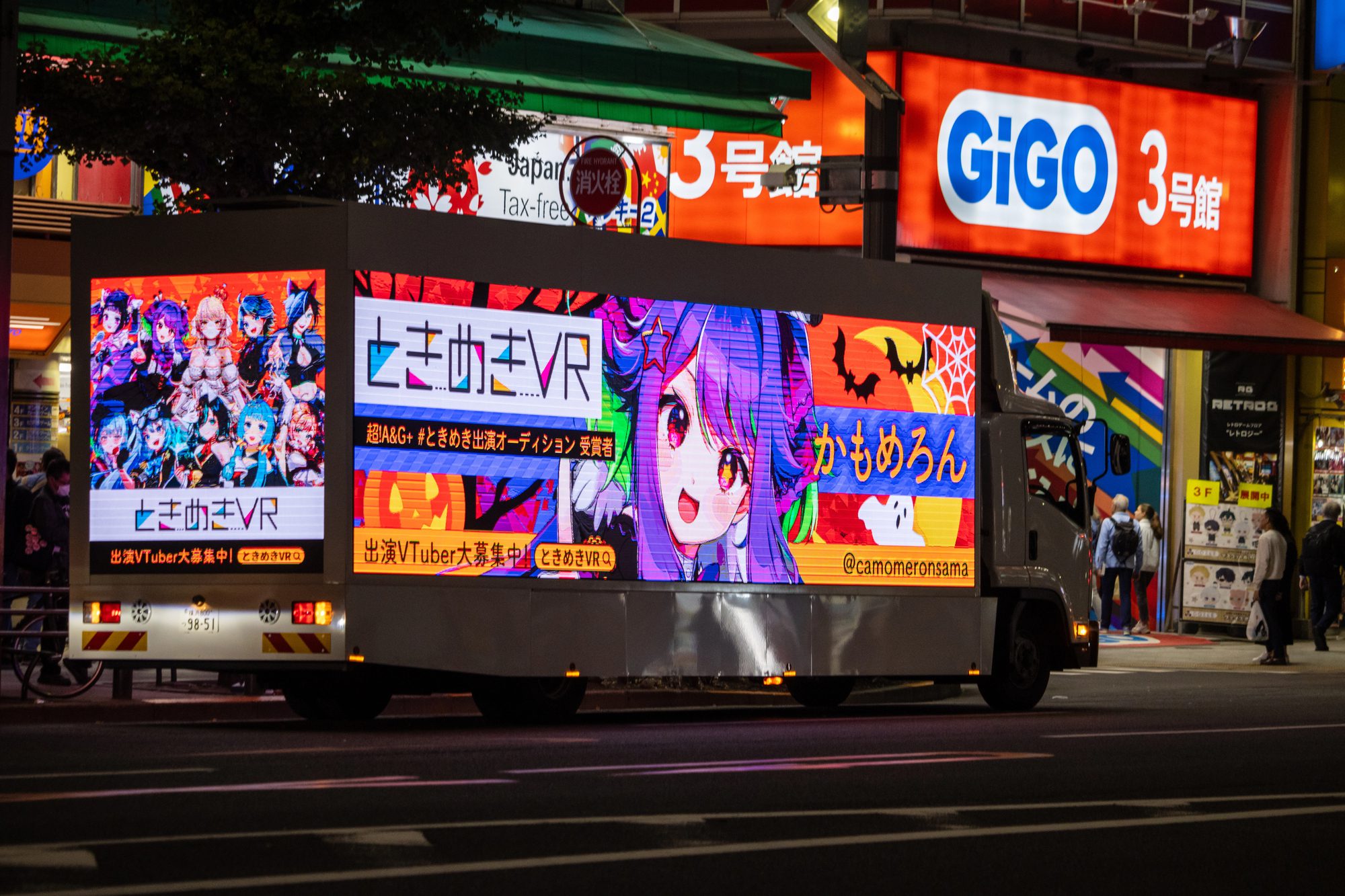
LED billboard trucks turn ordinary road travel into scheduled advertising exposure. Large digital panels display rotating creative across business districts, residential areas, event zones, and traffic corridors. Unlike a fixed sign, a truck can move toward a defined audience during a chosen time window. GPS tracking, route planning, and directional programming make each trip measurable and purposeful, which explains why mobile advertising works especially well in dense cities such as New York.
Why mobile LED advertising gets noticed
A moving billboard enters the same spaces as commuters, pedestrians, residents, and event attendees. Its position changes throughout the day, letting a campaign reach different audiences without buying several permanent placements.
For campaigns that need borough-level coverage, New York billboard truck services provide a practical way to plan routes across Manhattan, Brooklyn, Queens, the Bronx, and Staten Island. The truck can move between business districts, neighborhoods, venues, and retail areas as audience patterns change. This flexibility helps advertisers place creative near the people most likely to see it.
Digital screens also support timely messages. A campaign can promote a store location during peak traffic, display event creative near a venue, or change content for different parts of the day. The message travels with the vehicle instead of waiting for an audience to pass one fixed location.
How the truck becomes an advertising channel
An LED billboard truck combines a road vehicle, outdoor display, power system, and route plan. LED panels display high-resolution creative, while an onboard generator supplies power during operation. The vehicle then carries that message through selected streets and stopping points.
The New York trucks described on the inspected service page use 11-foot side panels and 7-foot rear panels. Their 25KW generators support the displays as they move through city streets, bridges, and congested corridors.
The side panels face traffic beside the vehicle, while the rear panel reaches drivers and pedestrians behind it. This arrangement creates several viewing angles without requiring a permanent structure or installation site.
Route planning controls audience exposure
Route planning determines whether a mobile campaign reaches the right people at the right time. A schedule can place a truck in Manhattan business districts around lunch, then move toward Brooklyn or Queens neighborhoods in the evening.
Event venues and entertainment zones also require careful timing. A truck can circulate near a venue before an event, remain nearby during peak arrival periods, and move through surrounding streets afterward. The schedule keeps the message connected to audience movement.
GPS tracking supports route verification during the campaign. Advertisers can review where the vehicle traveled and how long it remained active in selected areas. That record creates a clearer link between the media plan and actual delivery.
Directional programming adds local relevance
Smart directional programming connects the displayed message with location data. A campaign can show a nearby address when the truck approaches a retail site, restaurant, event, or other destination.
This approach gives a broad awareness campaign a direct local action. Someone who sees the display can receive a location prompt instead of a general brand message. The content remains digital, so the campaign team can adjust creative for different areas or objectives.
Measuring delivery during the campaign
Mobile advertising needs records that show where and when exposure occurred. Route data, operating hours, and location intelligence provide the foundation for campaign reporting.
The inspected service page states that a proprietary application tracks routes, hours, and impressions throughout a New York campaign. Onboard technology captures delivery information in real time, while audience mobility data helps assess performance in selected areas.
Performance data can also guide route adjustments. If certain corridors produce better results, the schedule can prioritize those areas during later operating periods. This process turns a fixed itinerary into a campaign plan that responds to observed delivery.
Creative planning for moving screens
Mobile creative must communicate quickly because viewers often see it for only a few seconds. Large text, clear contrast, and a simple message help audiences understand the advertisement while walking or driving.
A strong layout places the main idea where it remains readable from a distance. Keep contact details short, and include a nearby address only when it supports the campaign objective. Motion can attract attention, but too much animation can make the message hard to read.
Conclusion
LED billboard trucks combine digital displays, mobile reach, route planning, and campaign reporting in one advertising format. Their value comes from placing a visible message near changing audiences instead of limiting exposure to one address. A practical next step is to define the target neighborhoods, operating hours, event dates, and desired action before selecting creative. Those details give the route planner enough information to build a campaign that reaches specific people in specific places.