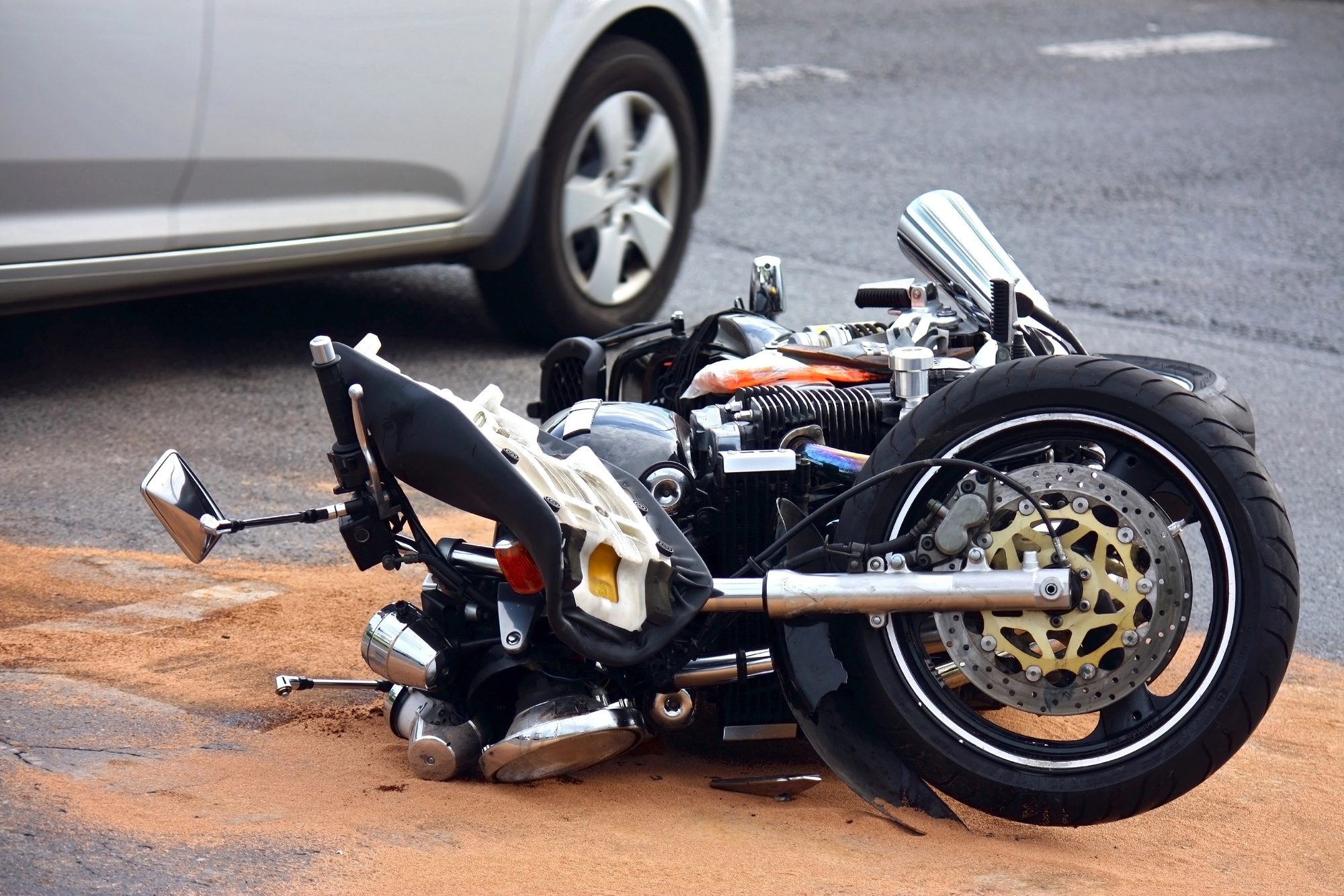
Nobody wants to wait many months for money while medical bills keep piling up. Weeks after the crash, the rider is still waiting for an insurer to make an offer. Most timelines depend on how serious the injuries are and how the insurer responds. A rider asking how long the claim takes gets an honest answer from Salamati Law Personal Injury Lawyer. Knowing what to expect can reduce your stress and help you avoid rushed decisions. Here is what shapes the timeline and how long each stage may realistically take.
What Affects the Timeline
Injury severity is usually the biggest factor, because treatment must be mostly finished first. Settling too early is risky, since future medical needs may not be clear yet. When two insurers blame each other, and a piece of evidence goes missing, the claim stalls. The rider’s lawyer also weighs a settlement or trial, and each route runs on a different clock. Policy limits matter too, since low coverage can stall negotiations or force harder choices. Claims against government agencies also follow much shorter filing deadlines than standard injury claims.
Typical Stages of a Claim
Before anything else happens, the rider keeps showing up for appointments, often for well over the first few months. Next, your lawyer gathers records and evidence, then sends a demand to the insurer. The insurer reviews the demand and often responds with a much lower counteroffer first. Negotiation can go back and forth for several weeks before both sides find agreement. If talks fail, your lawyer may file a lawsuit to keep the claim alive. California generally allows two years to file a lawsuit, so delays can be costly.
How Long Settlements Usually Take
Simple claims with clear fault and minor injuries may settle within a few months. Serious injury cases often take a year or more because the damages are larger. When the demand grows large, the adjuster starts picking apart every page of the rider’s medical file. After you accept an offer, payment is not instant, so plan for extra weeks. Once the rider accepts an offer, the lawyer pays off a medical lien before the rider sees any money. The final check usually goes out only after the lienholder and your lawyer agree on a balance.
When a Case Goes to Trial
Some cases do not settle, especially when the insurer disputes fault or injury severity. Going to trial usually adds a year or more to the overall claim timeline. Court calendars, discovery, depositions, and expert reports all take a good deal of time. Many cases still settle before trial, sometimes after mediation with a neutral third party. If jurors side with the driver, the rider leaves with nothing, which is the gamble behind a bigger award. Appeals can add even more time, so trial is rarely the quicker option overall.
Ways to Keep Your Claim Moving
Follow your doctor’s treatment plan, because gaps in care can delay and weaken claims. Every medical bill the rider receives goes into a single folder, so the lawyer never has to hunt for paperwork. Respond quickly when your lawyer asks for documents, since small delays really add up. Avoid speaking with adjusters on your own, because casual comments can slow negotiations down. Do not accept a quick offer before you know your full future medical costs. Stay off social media, since insurers may use old posts to challenge your recovery.
Waiting is hard, especially when life feels stuck and the bills keep showing up. It’s tempting to grab the first check just to make the stress stop fast. Once the rider cashes a quick check, the next medical bill arrives, leaving no money to cover it. A little patience now can mean a whole lot more breathing room later on. Lean on family and friends, and don’t be afraid to ask for a hand. When you’re ready, talk with a lawyer who’ll give you honest answers about timing.
photo by depositphotos