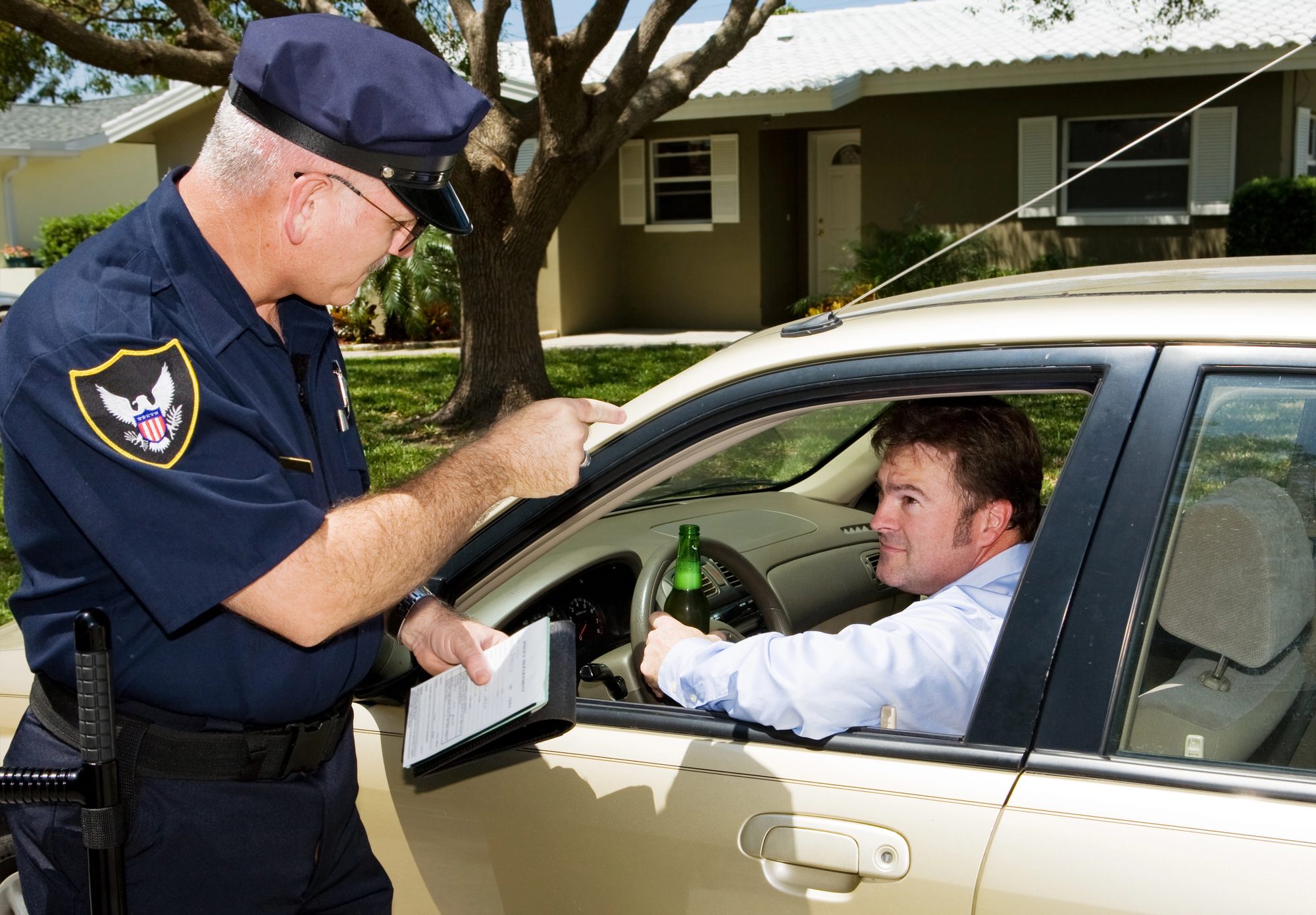
Most traffic stops follow a fairly predictable pattern, a quick check of license and registration before the driver continues on their way. That routine changes considerably, though, the moment an officer asks for proof of insurance and the driver simply can’t provide it.
At that point, an otherwise ordinary stop takes a noticeably different direction. What might have ended with a simple warning can turn into something considerably more complicated, involving fines, potential license consequences, and other financial repercussions beyond the original traffic issue.
That shift is exactly why people frequently search for how much is a ticket for no insurance in Texas, hoping to understand the actual financial stakes involved before finding themselves facing that exact situation on the side of the road.
Texas Requires Drivers to Show Financial Responsibility
Texas law requires drivers to maintain a certain minimum level of insurance coverage, commonly referred to as financial responsibility, before legally operating a vehicle on public roads throughout the state, regardless of how careful or experienced that driver might be.
This requirement exists to ensure that drivers can cover at least some portion of damages or injuries they might cause to others in the event of a collision, rather than leaving injured parties with no realistic path toward compensation.
Verifying current minimum coverage requirements matters considerably, since these figures can be updated periodically. Understanding exactly what Texas law currently requires provides essential context for understanding the broader consequences that follow when a driver fails to meet that standard.
The Citation May Not Be the Only Cost
A citation for lacking required insurance typically comes with an associated fine, though the exact amount can vary depending on several factors, including whether it’s a first offense or part of a broader, repeated pattern of noncompliance.
Beyond the base fine itself, additional consequences may apply depending on the specific circumstances involved. Court costs, administrative fees, or other related charges can sometimes accompany the primary citation, adding further financial burden beyond the initial ticket amount.
Understanding the full scope of potential costs matters, since focusing solely on the base fine can create a misleading impression of the total financial impact a driver might actually face after receiving this particular type of citation.
A Second Problem Can Be Different From the First
A single instance of driving without proper insurance carries one set of consequences, but repeated offenses often trigger additional, more serious penalties under Texas law. Continued failure to maintain required coverage can escalate consequences considerably beyond what a first-time violation involves.
These additional consequences might include steeper fines, potential license suspension, or other administrative penalties designed specifically to address ongoing noncompliance rather than an isolated lapse. The law generally treats repeated violations more seriously than a single, first-time occurrence.
Understanding this distinction matters for anyone who has previously received a similar citation, since assuming the consequences will remain identical to a first offense could lead to significant miscalculation about what actually might be at stake going forward.
An Accident Makes the Insurance Problem Much Bigger
While a routine traffic stop already creates meaningful consequences for lacking insurance, causing an accident while uninsured introduces an entirely different level of financial exposure, extending well beyond anything associated with a standard citation alone.
Without applicable liability coverage, an at-fault driver can become personally responsible for covering property damage and injury-related costs resulting from the collision. Depending on the severity of the accident, those costs can escalate rapidly into a substantial financial burden.
That exposure illustrates why maintaining proper insurance matters considerably beyond simply avoiding a citation during a routine stop. The much larger risk involves what happens financially if an uninsured driver actually causes an accident involving real damage or injury.
Conclusion
The financial consequences of driving without required insurance in Texas can extend considerably beyond the number printed on an initial citation. Fines, additional fees, and escalating penalties for repeated violations can all add up to a meaningful financial burden.
That burden becomes dramatically more significant if an accident actually occurs while driving uninsured, potentially exposing a driver to personal financial responsibility for damages and injuries that would otherwise typically be covered by applicable liability insurance.
Understanding this full picture helps clarify why maintaining proper coverage matters considerably more than simply avoiding a citation, since the real financial risk extends well beyond whatever fine might initially appear on a traffic ticket.