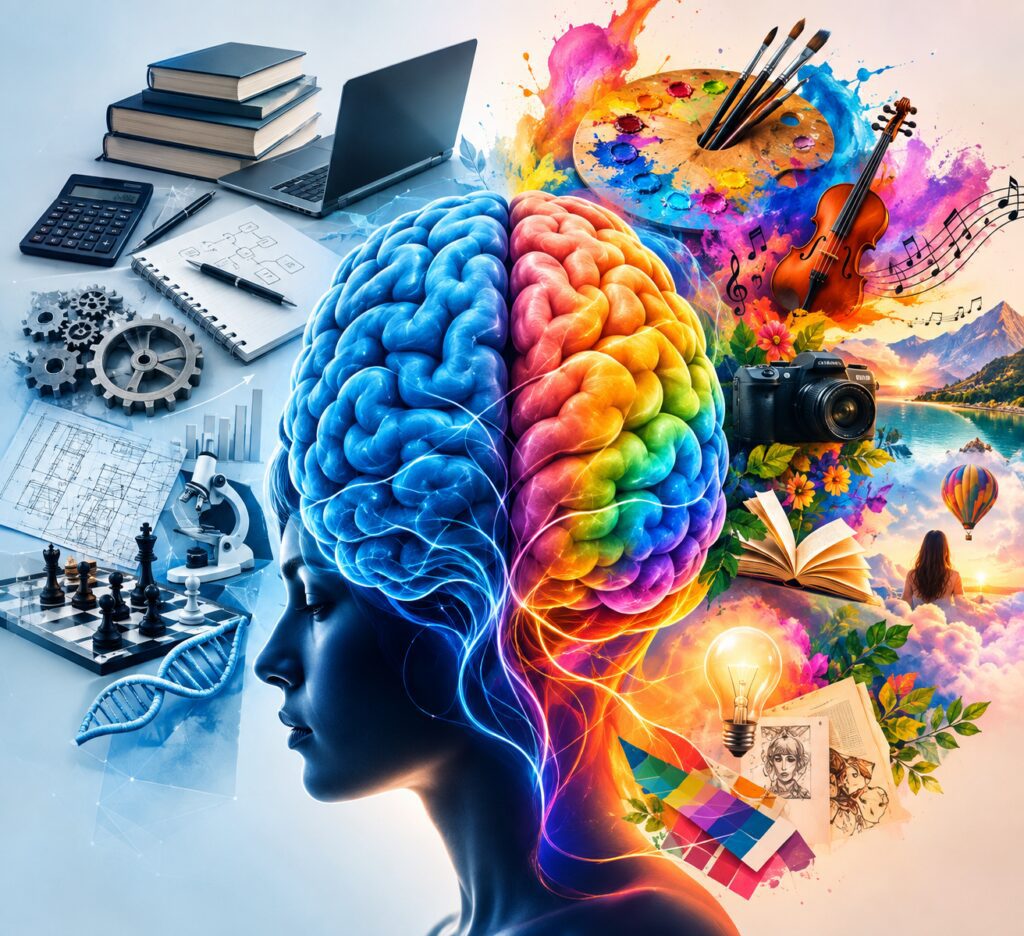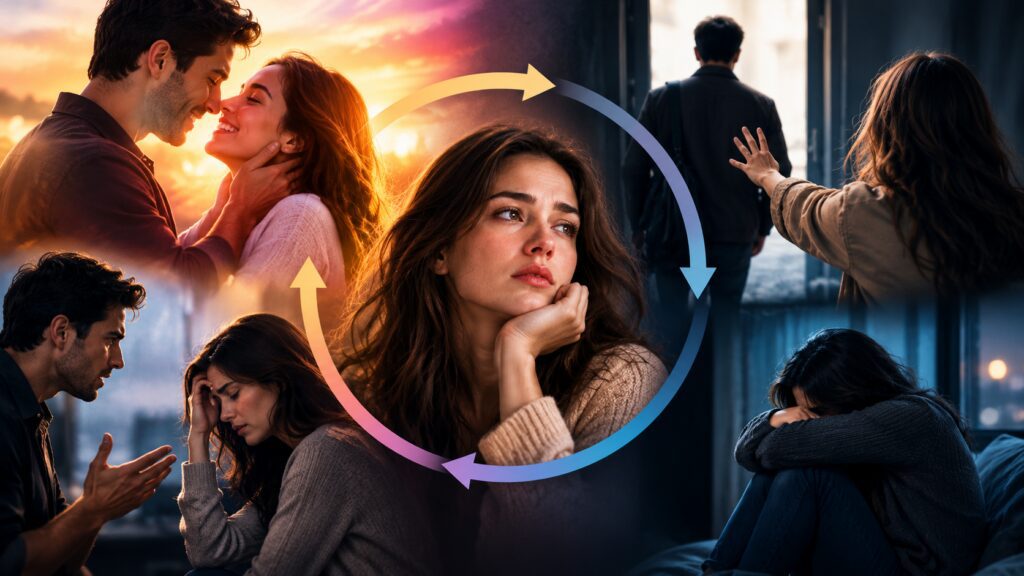
A hopeless romantic is someone who holds an unshakable, idealistic belief in love — soulmates, grand gestures, and fairy-tale endings — even when past heartbreak or hard evidence suggests otherwise. Being a hopeless romantic isn’t a bad thing, though balance matters, and it comes on a spectrum rather than as an all-or-nothing label. It’s a mindset, not a diagnosis, and it can show up differently in men, women, and different personality types.
What Does “Hopeless Romantic” Actually Mean?
At its core, a hopeless romantic is a person who believes in love as an almost unstoppable force — one that can survive bad timing, distance, past disappointment, or logic itself. A hopeless romantic has idealistic views of love, believes love will conquer all, and tends to see the positive over the struggles within relationships.
That doesn’t mean they’re naïve about how relationships actually work day to day. It means their default emotional lens leans toward hope rather than caution. Two respected relationship experts — Dr. Alexandra H. Solomon, a licensed clinical psychologist at Northwestern University, and Dr. Marisa T. Cohen, a relationship scientist and marriage and family therapist — describe it similarly.
Dr. Solomon frames a hopeless romantic as someone with an endless faith in the power of love, while Dr. Cohen notes that despite difficulties they’ve faced or witnessed, they keep believing a loving partnership is possible.
In plain terms: a hopeless romantic person is someone who
- Wants love to feel meaningful, not just convenient
- Believes effort, timing, and even fate play a role in who we end up with
- Keeps choosing hope after disappointment, rather than shutting down emotionally
- Finds small romantic details (a handwritten note, a remembered detail, a long drive) more moving than most people do
Importantly, being a hopeless romantic is a state of mind, not a mental health condition, and like most personality traits it exists on a spectrum — some people are mildly romantic, others build their entire worldview around it.
See More: Positive Self-Concept: Definition, Examples, and How to Build One
Where Did the Phrase “Hopeless Romantic” Come From?
This is one of the most searched follow-up questions (“why is it called hopeless romantic”), and the answer is genuinely interesting from a language-history standpoint.
The word “romantic” has been used as a noun since the early 1800s to describe a person with lofty, sentimental, idealistic views on life and love. “Hopeless” was originally paired with it to suggest something closer to incorrigible — a person too far gone to be talked out of loving foolishly.
According to etymology research from Dictionary.com:
- An 1855 novel used the phrase “hopeless, romantic attachment” to describe a mother’s worry that her son would ruin his prospects by marrying out of foolish love.
- A 1917 magazine piece described author Charlotte Brontë as having a tragic, hopeless, romantic love that asked for nothing but acceptance.
- By 1926, the specific phrase “hopeless romantic” appeared in a short-story collection describing a character who was very much in love, even though the relationship wasn’t in his best interest.
So originally, “hopeless” carried a slightly negative, cautionary tone — this kind of love was seen as doomed or impractical. The phrase spread through literature in the 1920s and 1930s, describing people who fell in love easily, recklessly, or repeatedly, even when it was impractical or unwise.
Over the last century, the phrase has softened. Today it’s used affectionately — more “sweetly idealistic” than “foolishly doomed” — which is why so many people now proudly call themselves hopeless romantics rather than treating it as a warning label.
Hopeless Romantic vs. Romantic vs. Realist
People often confuse “romantic” with “hopeless romantic,” but there’s a meaningful difference in intensity and persistence.
| Trait | Realist | Romantic | Hopeless Romantic |
| View of love | Practical, built on compatibility | Enjoys romance, but grounded | Believes love can defy logic or odds |
| Reaction to heartbreak | Learns and moves on quickly | Grieves, then recalibrates | Keeps believing “the right one” is still out there |
| Belief in soulmates | Skeptical | Open to the idea | Strongly believes in it |
| View of dating apps | A practical tool | A useful, if imperfect, tool | Wishes for a more “fated” way to meet someone |
| Emotional risk-taking | Cautious | Moderate | High — leads with the heart |
| Relationship pace | Slow, deliberate | Balanced | Can move fast when feelings hit |
| Vulnerability to disappointment | Low | Moderate | Higher, but resilient over time |
The key distinction: a romantic enjoys love and appreciates gestures. A hopeless romantic organizes a meaningful part of their identity and outlook on life around the belief that love is transformative — and keeps believing that even after it’s let them down.
The Psychology Behind Being a Hopeless Romantic
Why do some people hold onto idealized love so tightly? Psychologists point to a mix of personality, attachment patterns, and cultural conditioning rather than any single cause.
- Media and cultural conditioning. Hopeless romantics often hope for a grand love story straight out of the movies and are typically optimistic about new relationships, believing in ideas like meeting “the one.” Years of romantic films, novels, and social media “relationship goals” content shape what people expect love to look and feel like.
- A deep need to feel loved and needed. Contrary to the stereotype of living in a fantasy world with unrealistic expectations, most hopeless romantics simply want to feel loved and needed. The idealism is often less about fantasy for its own sake and more about a genuine longing for closeness.
- Optimism as a coping mechanism. Hopeless romantics can sometimes be too idealistic about love, which can lead them to be hurt easily — but that same optimism is often what allows them to try again after a breakup instead of giving up on love entirely.
- It’s a spectrum, not a fixed category. Some psychologists caution against treating “hopeless romantic” as a rigid personality box. It’s better understood as a tendency — how strongly someone leans toward idealizing love — that can shift with life experience, therapy, or a particularly painful relationship.
This matters because it reframes the trait: being a hopeless romantic isn’t a flaw to be cured, but it can benefit from self-awareness, especially around setting realistic expectations for a real, imperfect partner.
12 Signs You’re a Hopeless Romantic
If you’re trying to figure out whether the label fits you (or someone you know), here are common, research-informed signs:
- You fall in love quickly and fully, sometimes before you know someone well
- You feel incomplete or restless without a romantic partner or romantic prospect
- You believe in “the one” or soulmates rather than seeing partners as interchangeable
- Grand gestures (public declarations, surprise trips, handwritten letters) genuinely move you
- You remember small romantic details — a song, a date, a shared joke — long after they happened
- You’ve stayed hopeful about love even after a painful breakup
- You get emotionally invested in fictional love stories (movies, books, K-dramas)
- You tend to overlook red flags early on because you’re focused on potential
- You believe timing and fate play a role in who you end up with
- You’d rather hold out for real connection than settle for convenience
- Friends sometimes tease you for being “too much” about love
- You find meaning in love itself, not just the outcome (marriage, status, security)
You don’t need all twelve to qualify — even a handful of these, especially the belief in soulmates and quick emotional attachment, are strong indicators.
What Is a Hopeless Romantic Man?
A hopeless romantic man shows the same core belief system — idealism about love, faith in soulmates, emotional investment — but social conditioning sometimes makes it look different in practice.
Common traits in hopeless romantic men:
- Plans thoughtful, sometimes elaborate gestures (not just for anniversaries, but “just because”)
- Talks about a partner or a future relationship with genuine sincerity, not bravado
- Tends to commit emotionally fast once he decides someone is “the one”
- Values emotional intimacy and connection as much as, or more than, physical attraction
- Often faces cultural pressure to hide this sensitivity, since idealism about love is sometimes stereotyped as “unmanly”
- May struggle more visibly with unrequited love, since he tends to invest fully rather than hedge
The main friction point for hopeless romantic men isn’t the feeling itself — it’s that they may feel they have to downplay it to fit expectations of stoicism, when in reality, openly caring about love takes real emotional courage.
What Is a Hopeless Romantic Woman?
A hopeless romantic woman shares the same foundational belief in love’s transformative power, but she’s more likely to be socially validated for it — romance and idealism about relationships are more culturally accepted as “feminine” traits, even though they’re not gender-specific at all.
Common traits in hopeless romantic women:
- Grew up enjoying fairy tales, romance novels, or romantic comedies and internalized some of their storytelling patterns
- Believes deeply in emotional chemistry and “knowing” when something is right
- Prioritizes feeling desired and understood over practical relationship logistics
- Often journals, reminisces, or replays meaningful romantic memories
- Can be quick to forgive a partner’s flaws if the emotional connection feels strong
- May face criticism (sometimes online, e.g., “delulu” jokes) for holding onto idealistic hope, even when it’s a genuine, healthy part of her personality
The risk for hopeless romantic women isn’t the idealism itself — it’s the potential to excuse incompatible or unhealthy dynamics because the story of the relationship feels romantic, even when the reality isn’t.
Is “Hopeless Romantic” a Personality Type?
Not in the clinical or scientific sense (it’s not part of the Big Five personality traits or a diagnosable category), but it does map loosely onto a few frameworks people search for:
- MBTI connection: Idealistic, feeling-oriented types (commonly associated with INFP, ENFP, INFJ in popular psychology content) are often described online as naturally aligning with “hopeless romantic” tendencies, since these types are typically driven by values, emotion, and meaning over pure logic. This is a popular-psychology association, not an official MBTI category.
- Attachment style connection: People with anxious or secure attachment styles may express hopeless-romantic tendencies differently — anxious attachment can intensify the idealism and the fear of losing it, while secure attachment tends to keep the optimism grounded in realistic expectations.
- Archetype framing: Some modern quiz and personality content frames it as a personality archetype rather than a type. One such framing describes the hopeless romantic archetype as someone whose optimism lives in the heart, willing to build a story from a small moment, and notes that the trait is braver than it looks because it takes real nerve to feel things openly.
So: it’s best described as a relational disposition — a consistent pattern in how someone approaches love — rather than a fixed personality type in the scientific sense.
Pros and Cons of Being a Hopeless Romantic
| Pros | Cons |
| Brings genuine warmth, effort, and thoughtfulness into relationships | Can idealize a partner rather than seeing them clearly |
| Resilient — keeps believing in love after setbacks | Vulnerable to being hurt or taken advantage of |
| Creates emotionally rich, memorable relationship experiences | May overlook red flags in early dating stages |
| Willing to be vulnerable and emotionally open | Can move too fast emotionally before trust is earned |
| Inspires partners and friends with genuine optimism | May struggle to accept a relationship’s ordinary, unglamorous moments |
| Finds meaning in small gestures others might miss | Risk of chasing potential instead of reality |
The healthiest version of a hopeless romantic keeps the optimism and openness (the pros) while working on the discernment side (the cons) — usually through experience, self-awareness, or intentional reflection on past relationship patterns.
The Opposite of a Hopeless Romantic
People searching “opposite of hopeless romantic” are usually looking for one of these terms:
- Realist: Approaches love pragmatically, focused on compatibility and practicality over idealism
- Cynic: Has become guarded or skeptical about love, often due to past hurt
- Pragmatist: Views relationships primarily through a lens of stability, logistics, and long-term planning
- Emotionally guarded / avoidant type: Keeps emotional distance to avoid vulnerability, the near-opposite of the hopeless romantic’s “lead with the heart” approach
None of these are “wrong” ways to approach love — they’re simply different risk tolerances for emotional vulnerability. In fact, the healthiest relationships often pair a hopeless romantic with someone slightly more grounded, since each partner can balance the other’s blind spots.
Hopeless Romantics in Relationships
Strengths they bring to a relationship
- Consistent effort and thoughtfulness, even outside of special occasions
- A partner who genuinely wants emotional closeness, not just companionship
- Willingness to work through hard moments rather than give up quickly
- A tendency to celebrate the relationship, not take it for granted
Where they can struggle
- Difficulty accepting a partner’s imperfections once the “honeymoon phase” fades
- Tendency to romanticize potential rather than assess actual compatibility
- Getting hurt more deeply than others might in the same situation, because expectations were higher
- Possibly staying in a relationship too long, hoping it will become what they imagined
Compatibility notes
A hopeless romantic tends to do well with a partner who:
- Appreciates emotional expression rather than finding it “too much”
- Can offer some grounded perspective without dismissing the romantic’s feelings
- Communicates clearly, since hopeless romantics can sometimes fill in ambiguity with hopeful assumptions
How to Balance Idealism With Real Love
Being a hopeless romantic doesn’t need to be “fixed,” but a few practical habits help keep the trait healthy rather than self-sabotaging:
- Separate the story from the person. Ask: “Do I like who they actually are, or the story I’ve built around them?”
- Give new relationships time before fully investing emotionally. Strong feelings early on are valid — but pace matters.
- Notice red flags instead of reframing them as “passion” or “intensity.”
- Keep some romantic optimism reserved for the relationship itself, not just the idea of being in one.
- Talk to a therapist or trusted friend if patterns of heartbreak repeat. This isn’t about suppressing hope — it’s about pairing hope with better judgment.
Hopeless Romantic on Reddit, Urban Dictionary & Pop Culture
Online, the phrase shows up in a mix of earnest and playful contexts:
- Reddit discussions often center on relationship subreddits where people ask whether being a hopeless romantic is “too much” for modern dating, or share stories of staying hopeful despite repeated heartbreak.
- Urban Dictionary–style definitions tend to lean more casual and sometimes self-deprecating, describing the term as someone who falls for people fast, overthinks small romantic gestures, or refuses to give up on love even when friends think they should.
- Pop culture and “delulu” culture: Newer internet framing treats the hopeless romantic as an archetype whose imagined version of a partner can outpace the real one, with the growth challenge being to let the real person catch up to the fantasy rather than the reverse. This reflects a lighter, meme-aware take on the same core idea that’s existed in literature for a century.
Across all of these communities, the sentiment is largely the same: hopeless romantic is used with more affection than judgment today, even when people joke about it.
See More: How to Improve Emotional Intelligence: The Complete Guide
Key Takeaways
- A hopeless romantic is someone with an enduring, idealistic belief in love — not a diagnosable condition, but a personality tendency that exists on a spectrum.
- The phrase dates back to at least 1855, originally carrying a cautionary tone before softening into today’s more affectionate use.
- Hopeless romantic men and women share the same core belief system, but cultural expectations shape how it’s expressed and perceived.
- The trait isn’t tied to one official personality type, though it’s popularly linked to feeling-oriented MBTI types and anxious/secure attachment styles.
- Like any trait, it has real strengths (warmth, resilience, emotional openness) and real risks (idealizing partners, ignoring red flags).
- Balance — not suppression — is the healthiest approach: keep the hope, sharpen the judgment.
Frequently Asked Questions
What is a hopeless romantic in simple terms?
It’s someone who believes strongly in love — soulmates, grand gestures, fairy-tale endings — even after disappointment, and who tends to fall in love quickly and fully.
What is a hopeless romantic person meaning?
It describes a person’s outlook on love rather than a fixed trait: they idealize romance, value emotional connection deeply, and stay hopeful about finding lasting love despite setbacks.
Is being a hopeless romantic a bad thing?
No. Being a hopeless romantic isn’t inherently a bad thing, though balance is important since it comes on a spectrum. Problems usually arise only when idealism overrides good judgment about a partner or relationship.
What is a hopeless romantic man vs. woman?
Both share the same core belief in love’s power and meaning; the difference is mostly cultural — men may feel pressure to hide it, while women are often more socially validated for expressing it openly.
Why is it called “hopeless” romantic?
The phrase originally described a passionate but “ineffectual” or doomed kind of love, with early 19th- and early 20th-century writing using it to describe attachments seen as impractical or foolish. Over time, “hopeless” shifted from a warning to an affectionate descriptor of someone incorrigibly devoted to romantic ideals.
What personality type is associated with being a hopeless romantic?
There’s no official clinical personality type, but feeling-driven, idealistic personality types (often discussed in MBTI-style content) and anxious or secure attachment styles are commonly linked to hopeless-romantic tendencies.
Can you be a romantic without being “hopeless”?
Yes. A romantic enjoys and values love and gestures without necessarily clinging to idealized outcomes; a hopeless romantic takes that further, holding onto belief in fated, transformative love even after real disappointment.
What’s the opposite of a hopeless romantic?
Commonly cited opposites include the realist, the cynic, and the pragmatist — people who approach love with more caution, skepticism, or practicality.
Is “hopeless romantic” a compliment or an insult?
Today it’s almost always used affectionately or self-descriptively, though it can carry a light, teasing undertone (someone being “too much” about love). Historically, the phrase leaned more cautionary or critical.
What is a hopeless romantic relationship like?
It tends to be emotionally rich, effortful, and full of gestures and meaning — but can also involve higher highs and lower lows, since expectations and emotional investment run deeper than average.
Do hopeless romantics get hurt more easily?
Often, yes. Because hopeless romantics can be very idealistic about love, that idealism can make them more likely to be hurt, even though being a hopeless romantic isn’t a negative trait on its own.
Is being a hopeless romantic linked to any mental health condition?
No. Being a hopeless romantic is a state of mind, not a mental health condition. If romantic idealism starts causing significant distress or repeated harmful relationship patterns, speaking with a therapist can help build healthier balance — but the trait itself isn’t a disorder.
Conclusion
Being a hopeless romantic isn’t about naivety — it’s about choosing to believe in love’s meaning and potential, again and again, even when life gives you reasons not to. Most hopeless romantics aren’t chasing an unrealistic fantasy so much as they simply want to feel loved and needed. The healthiest version of this trait keeps that hope alive while learning, over time, to pair it with clear eyes — loving fully, but seeing people as they really are, not just as the story you’d like them to be.