Despite the best intentions of a parent to give their children safety and convenience, fast cars pose unique problems of a physical and psychological nature which the novice drivers are not prepared to deal with. The consequence of losing control over a vehicle that has been overpowered will likely result in complicated claims with substantial car accident compensation.
The Threats Posed by Instant Power and Slow Reflexes
In essence, this is the fundamental problem posed by the huge difference between the current state of an engine and the neurological state of the novice driver. Teen and beginner drivers continue developing their depth perception, ability to gauge distances, and reflexive decision-making. Placing such a person behind the wheel of a car that can go from zero to sixty in less than four seconds is an accident waiting to happen.
Even a small correction when taking a tight turn or a delay in applying the brakes at a stop signal can change a small traffic error into an accident that causes catastrophic damage.
The Precision Engineering vs. Untrained Reflexes of Novices
Apart from being fast, high-performance cars have been manufactured in such a way that they have quick response to the throttle, stiff suspension, and sharp cornering. These aspects of the car need precision. While an experienced driver may see these as communicative, the untrained reflexes of a novice make him or her react in panic. If a novice is driving a normal car and he or she turns the wheel in a panic moment, the car becomes slightly unstable, while the same reaction in a high-powered car can cause a loss of control immediately.
Sensory Isolation and Digital Distractions
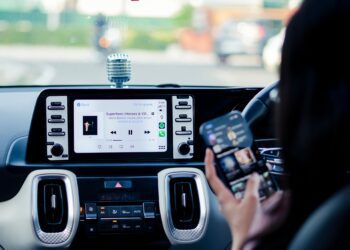
Another important factor is a psychological one. Luxury automobile design is built with the purpose of eliminating the sensation of speed. The presence of advanced soundproofing, silky-smooth multi-link suspensions, and quiet engines ensures that driving at eighty miles an hour is no more stimulating than driving at forty miles an hour in a conventional economy car. There is thus a lack of sensory stimuli that help gauge one’s speed. The lack of noise from the engine and wind means that teens cannot properly feel how fast they are going and tend to speed much more quickly than is safe for their surroundings. Additionally, luxury automobiles contain many digital distractions in the form of screens and ambient controls.
Financial Liability and Liability of Parents
While there may be the threat of physical harm, giving a teenage driver an exceptionally powerful car entails a lot of financial and legal liability for wealthy parents. According to the law on parental liability, parents may be required to pay financial compensation for serious damages caused by their children while using the family car. High-velocity accidents lead to significant property damage, substantial medical costs, and disability claims, which quickly surpass the coverage provided by any standard umbrella insurance policy. This places the family under undue financial pressure.
Smart Alternatives for Young Drivers
However, this problem is not about taking away the means of transport from young family members. There are numerous excellent vehicles available on the market with the best safety ratings, advanced driver assistance systems, and relatively weak engines that forgive a lot of driving mistakes. Young drivers’ enrollment in specialized defensive driving courses or even in advanced car control classes can teach them many useful real-life skills instead of powerful horsepower.
Conclusion
Giving a teenage member of the family a brand-new key to the car with luxurious horsepower seems to be the sign of family prosperity and success. Choosing low-horsepower, highly rated commuter cars for new drivers allows them to gain valuable driving experience and to learn how to perform emergency maneuvering in a safe way. Taking care of your child and money begins with choosing reasonable cars. However, if a tragic accident happens because of an overpowered car, seeking fair car accident compensation becomes crucial for everyone involved, yet avoiding such accidents in advance is the ultimate goal.