Professional success has always involved more than qualifications and technical ability. Communication, confidence, presentation, and personal branding can all influence how people are perceived in workplaces, business meetings, networking events, and increasingly, on digital platforms. As careers become more visible and image-conscious, some professionals are treating their appearance as another area of personal investment.
Cosmetic dentistry has become part of this trend. Advances in materials and techniques have expanded the range of treatments available to people who want to address concerns about their smiles without necessarily undergoing extensive dental procedures. For many professionals, the appeal isn’t simply achieving aesthetically perfect teeth, but feeling more comfortable and confident in situations where communication matters.
Personal Branding Now Extends Beyond the Wardrobe
Personal branding was once associated primarily with clothing, grooming, and professional reputation. Social media, video conferencing, online networking, and personal websites have broadened that definition considerably.
Professionals now see themselves on screens almost every day. Meetings that once took place around a conference table may happen through a webcam, while entrepreneurs and executives frequently appear in photographs, videos, podcasts, and social content.
This increased visibility can make people more conscious of their smiles. As a result, dental aesthetics have become another consideration within the wider market for professional presentation, alongside skincare, fashion, fitness, and grooming.
Why Subtle Dental Treatments Are Attracting Attention
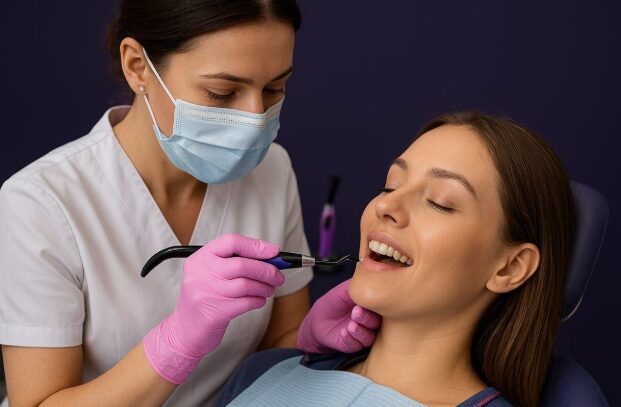
The growing interest in cosmetic dentistry does not necessarily mean consumers want dramatic transformations. A significant part of modern aesthetic treatment is focused on relatively subtle changes that preserve a natural appearance.
Composite bonding is one example. Tooth-colored resin can be applied to alter tooth shape, repair certain chips, or address aesthetic irregularities. Treatment suitability depends on the individual’s dental health and objectives, making professional assessment important.
Professionals researching composite bonding London may be particularly drawn to targeted changes rather than a more extensive smile transformation. This reflects a wider aesthetic trend in which consumers increasingly value treatments that enhance existing features without making the result appear artificial.
Confidence Can Have Professional Value

It would be misleading to suggest that changing someone’s smile automatically leads to greater career success or higher earnings. Professional advancement depends on far more substantial factors, including competence, experience, relationships, communication, and opportunity.
Confidence, however, can influence everyday behavior. Someone who feels self-conscious about their teeth may hesitate to smile in photographs, feel uncomfortable during presentations, or become overly aware of their appearance during conversations.
Addressing a long-standing cosmetic concern may help some individuals feel more at ease in those situations. The potential value is therefore highly personal. Rather than purchasing a guaranteed professional advantage, people may be investing in how comfortable they feel presenting themselves to others.
Cosmetic Dentistry Is Becoming an Investment Decision
The language around aesthetic treatments increasingly resembles how consumers think about other significant purchases. People compare cost, durability, maintenance requirements, potential alternatives, and provider quality before deciding whether treatment represents worthwhile value.
This is especially relevant in dentistry because the lowest initial price does not necessarily represent the best long-term choice. Oral health, treatment planning, clinician experience, material selection, maintenance, and the possibility of future repair or replacement all influence the overall economics of treatment.
Someone considering composite bonding London options may therefore look beyond the initial procedure cost and consider how the treatment fits into longer-term dental care. Understanding expected maintenance and realistic longevity can help patients make more informed financial decisions.
The Market Is Moving Toward Natural-Looking Results
Aesthetic preferences are changing across multiple industries. Highly obvious cosmetic alterations are increasingly sharing space with treatments designed to produce more understated outcomes. Dentistry reflects the same movement.
Modern dental materials allow clinicians to consider tooth color, translucency, contour, and proportion when planning aesthetic restorations. The objective can be to create improvements that remain consistent with the patient’s facial features and surrounding teeth rather than pursuing a standardized version of the “perfect” smile.
This shift is particularly relevant to professionals who want to maintain an authentic appearance. In business environments, subtlety may be more desirable than an obvious cosmetic transformation, making conservative treatment philosophies increasingly attractive.
Investing in a Smile Should Begin With Oral Health
Cosmetic dentistry sits at the intersection of healthcare and aesthetics, which makes it different from many other appearance-related purchases. A visually appealing result still needs to fit within a healthy, functional mouth.
Before undergoing cosmetic treatment, issues such as tooth decay, gum health, bite concerns, or other dental conditions may need evaluation. Patients should also understand that aesthetic dental work can require ongoing maintenance and does not replace regular oral hygiene or preventive dental care.
For professionals viewing their appearance as part of a broader investment in themselves, this distinction matters. The greatest value may not come from chasing cosmetic perfection, but from combining healthy teeth with improvements that genuinely increase personal confidence. In that sense, investing in a smile is less about purchasing an image of success and more about feeling comfortable presenting the person behind it.