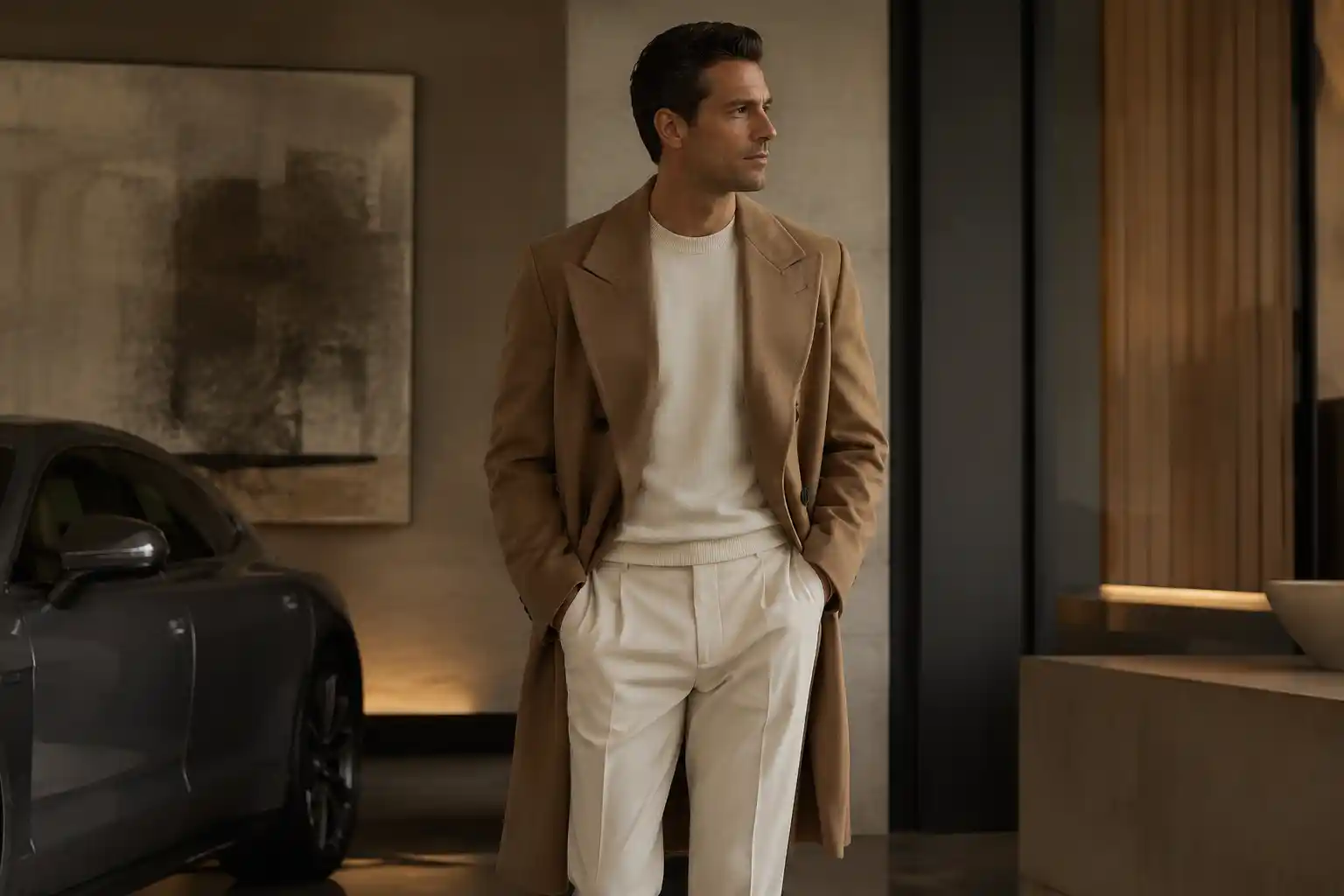
Luxury no longer announces itself the way it once did. Today, quiet luxury has become one of the clearest visual languages of modern wealth, particularly among billionaires and ultra-high-net-worth individuals. Rather than relying on visible logos, flashy labels, or trend-driven excess, elite dressing increasingly reflects restraint, precision, and permanence. The most influential people in business and finance often choose clothing that appears simple at first glance but reveals extraordinary quality through fabric, tailoring, and detail.
This transformation reflects more than changing taste. It signals a broader cultural movement shaped by evolving ideas about status, privacy, and identity. Modern billionaire fashion style increasingly values understatement over recognition. Meanwhile, luxury minimalism fashion, stealth wealth dressing, and the enduring appeal of the old money style aesthetic continue to reshape how affluence is expressed.
Across private clubs, executive offices, investment circles, and discreet social networks, wealth is becoming quieter rather than louder. Consequently, the meaning of luxury itself is changing. Instead of communicating access through visibility, today’s elite often signal confidence by making wealth less obvious.
The Rise of Quiet Luxury in Billionaire Culture
Luxury fashion has always reflected social hierarchy. Historically, aristocrats and industrial elites used visible craftsmanship, precious materials, and exclusivity to distinguish themselves. Later, luxury houses expanded globally and introduced branding as a visible marker of status.
However, billionaire culture gradually shifted.
By the early twenty-first century, especially with the rise of technology fortunes, public displays of luxury began losing cultural value among the ultra-wealthy. Entrepreneurs and investors cultivated identities centered on efficiency, intelligence, and control rather than extravagance.
Several forces accelerated this transition:
- Growing skepticism toward conspicuous consumption
- Increased preference for privacy among wealthy households
- Expansion of global wealth making visible luxury less exclusive
- Influence of Silicon Valley minimalism
- Cultural fatigue around logo-driven fashion
As a result, quiet luxury emerged not as anti-luxury but as evolved luxury.
Unlike traditional aspirational fashion, understated wealth communicates that financial security no longer requires public validation. A perfectly cut cashmere coat, a custom jacket, or a finely constructed loafer becomes more meaningful than visible branding.
Moreover, this shift created a new form of elite visual language—recognizable mainly to those already inside luxury circles.
How Billionaires Build Their Wardrobe Identity?
For billionaires, clothing rarely operates as entertainment. Instead, wardrobes become systems built around consistency, utility, and identity.
This approach prioritizes investment dressing over trend participation.
Several principles define modern luxury wardrobe construction.
Fabric First
Material often matters more than silhouette.
Common selections include:
- Double-faced wool
- Fine cashmere
- Sea island cotton
- Silk blends
- High-grade linen
- Technical luxury textiles
Superior fabric creates visual depth without decoration.
Tailoring Over Labels
Ultra-wealthy individuals often spend more on fit than branding.
Precise tailoring delivers:
- Cleaner proportions
- Longer garment lifespan
- Stronger executive presence
- Greater versatility
Controlled Color Palettes
Modern billionaire wardrobes frequently rely on:
- Navy
- Cream
- Charcoal
- Black
- Camel
- White
- Olive
Neutral tones create consistency while reducing decision fatigue.
Investment Dressing Philosophy
Instead of seasonal purchasing cycles, billionaires favor:
- fewer garments
- higher quality
- timeless construction
- repeat wear
This philosophy supports both sustainability and identity stability.
Consequently, luxury wardrobe essentials increasingly outperform trend-driven consumption. The wardrobe becomes less about expression and more about discipline.
Quiet Luxury Brands Defining Modern Wealth
Although quiet luxury rejects obvious status symbols, certain brands have become synonymous with discreet prestige.
These labels emphasize craftsmanship, heritage, and refinement.
Quiet Luxury Market Leaders
| Brand | Signature Style | Wealth Signal |
|---|---|---|
| Loro Piana | Exceptional textiles and understated tailoring | Deep insider luxury |
| Brunello Cucinelli | Relaxed refinement and Italian craftsmanship | Cultural sophistication |
| The Row | Architectural minimalism | Fashion literacy |
| Hermès (understated collections) | Timeless construction | Legacy wealth |
| Bottega Veneta | Quiet design language | Contemporary discretion |
These brands rarely depend on visible logos.
Instead, they communicate through:
- fabric excellence
- proportion
- construction
- heritage
- limited accessibility
Meanwhile, traditional fashion houses have adapted. Many now reduce logo prominence while increasing focus on craftsmanship narratives.
This movement demonstrates how quiet luxury brands influence broader consumer expectations across fashion categories.
The Psychology Behind Stealth Wealth Dressing
Fashion functions as communication.
Behavioral psychology suggests clothing sends signals about competence, belonging, status, and values.
Traditional luxury relied heavily on conspicuous consumption—making wealth visible.
Stealth wealth dressing operates differently.
Its signals include:
- self-control
- confidence
- permanence
- exclusivity
- independence from public approval
Signaling theory explains this clearly.
When individuals possess substantial resources, they often reduce obvious status displays because external validation becomes less necessary.
Additionally, subtle dressing increases privacy.
Visible luxury can attract attention. Understated luxury creates selective recognition.
This phenomenon appears especially among:
- family wealth networks
- private investment communities
- executive leadership groups
- multigenerational affluent households
Therefore, restraint itself becomes the signal.
The less visible the wealth, the stronger the implied confidence.
Quiet Luxury vs Logo-Driven Fashion
Luxury is not disappearing—it is changing form.
The contrast between traditional luxury branding and quiet luxury reveals deeper social transformation.
Status Expression Comparison
| Style | Expression | Perception |
| Logo-heavy luxury | Visibility and recognition | Aspirational success |
| Quiet luxury | Discretion and refinement | Established confidence |
| Trend-led luxury | Fashion participation | Social relevance |
| Minimal luxury | Timeless identity | Long-term credibility |
Additional contrasts reveal broader shifts.
Cultural Meaning
- Visible luxury celebrates achievement
- Quiet luxury normalizes achievement
Target Demographic
- Logo fashion appeals to aspirational buyers
- Minimal luxury attracts established wealth
Psychological Signaling
- Loud branding seeks recognition
- Minimalism projects security
Long-Term Direction
- Trend cycles remain volatile
- Understated luxury continues expanding
Nevertheless, both approaches continue to coexist.
Luxury fashion has not abandoned aspiration—it has diversified the language through which status appears.
How Executive Style Reflects Quiet Luxury?
Corporate leadership increasingly mirrors quiet luxury principles because modern authority depends less on visual dominance and more on credibility, consistency, and controlled presentation. Executives now work in environments where appearance still matters; however, attention-seeking style choices often create the wrong impression. As a result, executive style fashion has shifted toward authority through simplicity rather than display.
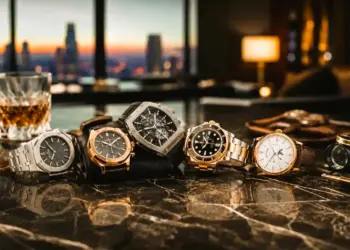
Today’s leadership wardrobe usually includes structured jackets, premium knitwear, monochrome combinations, understated watches, and clean footwear. These choices appear effortless; nevertheless, they are highly intentional. Rather than following seasonal trends, executives build repeatable wardrobe systems that support focus, reduce decision fatigue, and communicate stability. Consequently, clothing becomes part of leadership performance rather than personal decoration.
Power dressing has also evolved over time. Earlier executive eras favored visible signs of success through bold tailoring, luxury accessories, and strong visual presence. In contrast, modern leadership often signals calm competence, operational discipline, and intellectual confidence. Executives increasingly choose clothing that feels polished without appearing excessive because influence today depends more on trust than spectacle.
The influence of technology billionaires accelerated this shift even further. Instead of using fashion to display hierarchy, many business leaders adopted simplified wardrobe formulas that emphasize consistency and efficiency. Minimal uniforms and repeated silhouettes became symbols of focus rather than indifference. Moreover, this approach helped redefine professional luxury by removing unnecessary visual noise.
Meanwhile, executive fashion increasingly blends business and lifestyle aesthetics. The modern boardroom no longer requires rigid formality; instead, it rewards refined flexibility. Therefore, soft tailoring, premium basics, and understated details continue gaining relevance across leadership culture. Boardroom clothing now reflects modern wealth values through permanence, functionality, discipline, and subtle distinction, creating a visual identity that aligns naturally with quiet luxury.
Market Growth of Quiet Luxury Fashion
The expansion of quiet luxury reflects measurable changes in consumer behavior and broader changes in luxury expectations. Consumers increasingly prioritize long-term value over visible prestige because purchasing decisions now focus more on durability, versatility, and emotional confidence. As a result, luxury minimalism fashion continues attracting affluent buyers across global markets.
Several trends support this growth. Demand for timeless pieces continues to rise, while luxury resale markets strengthen year after year. Additionally, consumers show greater interest in heritage craftsmanship and lower-volume purchasing habits. Instead of collecting large wardrobes, many buyers now invest in fewer pieces that offer stronger quality-per-wear value. Consequently, luxury spending increasingly favors permanence over novelty.
Generational shifts also contribute to this movement. Gen X and affluent millennials often prefer investment dressing over overt displays of status because subtle luxury feels more relevant to modern lifestyles. Meanwhile, younger wealthy consumers increasingly associate sophistication with restraint rather than recognition. Therefore, minimalist luxury clothing has become both a practical and cultural preference.
At the same time, wealth creation has diversified geographically and socially. New affluent groups often enter luxury markets with different expectations than earlier generations. In contrast to previous eras of visible consumption, many modern consumers seek discretion and flexibility. As a result, global audiences increasingly connect understated design with confidence and maturity.
Luxury brands have responded accordingly. Many now invest heavily in artisan storytelling, textile innovation, minimalist collections, and private client experiences. Additionally, they focus more on building emotional loyalty than visual recognition. Consequently, high net worth fashion trends increasingly favor enduring design instead of seasonal visibility, reinforcing the long-term position of quiet luxury.
Unique Insight: Quiet Luxury Is Becoming a Cultural Reset
The most interesting aspect of quiet luxury is that it extends far beyond clothing. Instead, it reflects a larger transformation in how influence, status, and social value operate in modern culture. Historically, wealth depended on visibility because public recognition strengthened social position. Today, however, visibility often creates friction rather than advantage.
Modern elite culture increasingly rewards discretion, informational advantage, emotional control, and selective consumption. Wealth still matters; nevertheless, the way people communicate wealth has changed. Instead of proving success externally, affluent individuals increasingly reinforce identity internally through consistency and restraint.
This shift explains why billionaire wardrobes appear increasingly uniform. Minimalist cashmere, neutral tailoring, unbranded footwear, and repeated silhouettes now communicate confidence more effectively than highly recognizable labels. Although these choices appear simple, they often require deeper knowledge of craftsmanship, fit, and material quality.
The goal is no longer uniqueness through decoration. Instead, distinction comes through precision and disciplined decision-making. Consequently, luxury is becoming intellectual rather than visual. People increasingly move away from asking, “Can others see what I own?” and move toward asking, “Do I need others to see it at all?”
Moreover, this transformation reflects broader economic and psychological changes. Post-excess luxury behavior, generational wealth transitions, and private consumption patterns all support a quieter approach to status. Therefore, quiet luxury is becoming more than a trend—it is becoming a cultural reset that redefines how modern wealth presents itself.
Conclusion
The future of luxury appears quieter, sharper, and more intentional. Billionaire wardrobes increasingly reject visible branding in favor of craftsmanship, permanence, and controlled simplicity. However, this movement is not about reducing luxury; instead, it represents a more refined way of expressing it.
As wealth becomes more private and influence becomes less performative, quiet luxury continues redefining status itself. Through refined tailoring, restrained palettes, and investment-driven wardrobes, modern elites communicate confidence without demanding attention. Moreover, they show that luxury can remain powerful even when it becomes less visible.
Ultimately, billionaire fashion style suggests that modern status depends less on recognition and more on certainty. Therefore, quiet luxury stands not as a passing aesthetic but as a lasting shift in how influence, taste, and success are communicated.
Frequently Asked Questions
What is quiet luxury?
Quiet luxury is an understated approach to luxury fashion that prioritizes exceptional quality, craftsmanship, fit, and timeless design rather than visible logos or fast-moving trends.
Why do billionaires prefer quiet luxury fashion?
Billionaires often prefer quiet luxury because it communicates confidence, privacy, stability, and long-term thinking without attracting unnecessary public attention.
What are the best quiet luxury brands?
Leading quiet luxury brands include Loro Piana, Brunello Cucinelli, The Row, Hermès, and selected minimalist collections from established luxury houses.
Is quiet luxury the same as old money style?
Not entirely. The old money style aesthetic strongly influences quiet luxury; however, quiet luxury also incorporates contemporary minimalism, executive dressing, and modern luxury behavior.
How do billionaires dress differently from celebrities?
Celebrities frequently dress for public visibility and cultural attention. In contrast, billionaire wardrobes prioritize consistency, restraint, practicality, and long-term wardrobe identity.
What is stealth wealth dressing?
Stealth wealth dressing describes wearing extremely high-quality clothing without obvious branding. As a result, wealth becomes recognizable mainly through craftsmanship and detail.
Why is quiet luxury becoming popular?
Quiet luxury continues gaining popularity because consumers increasingly value discretion, quality, timeless design, and more intentional consumption habits.
How does quiet luxury signal status?
Quiet luxury signals status through tailoring, fabric quality, rarity, consistency, and confidence instead of visible logos.
What colors define quiet luxury style?
Quiet luxury usually relies on neutral shades such as navy, cream, camel, charcoal, black, white, and muted olive because these colors emphasize timeless elegance.
Is quiet luxury a long-term fashion trend?
Current market behavior suggests that quiet luxury represents a longer-term shift in luxury consumption rather than a short-lived trend because it aligns with changing attitudes toward wealth and status.