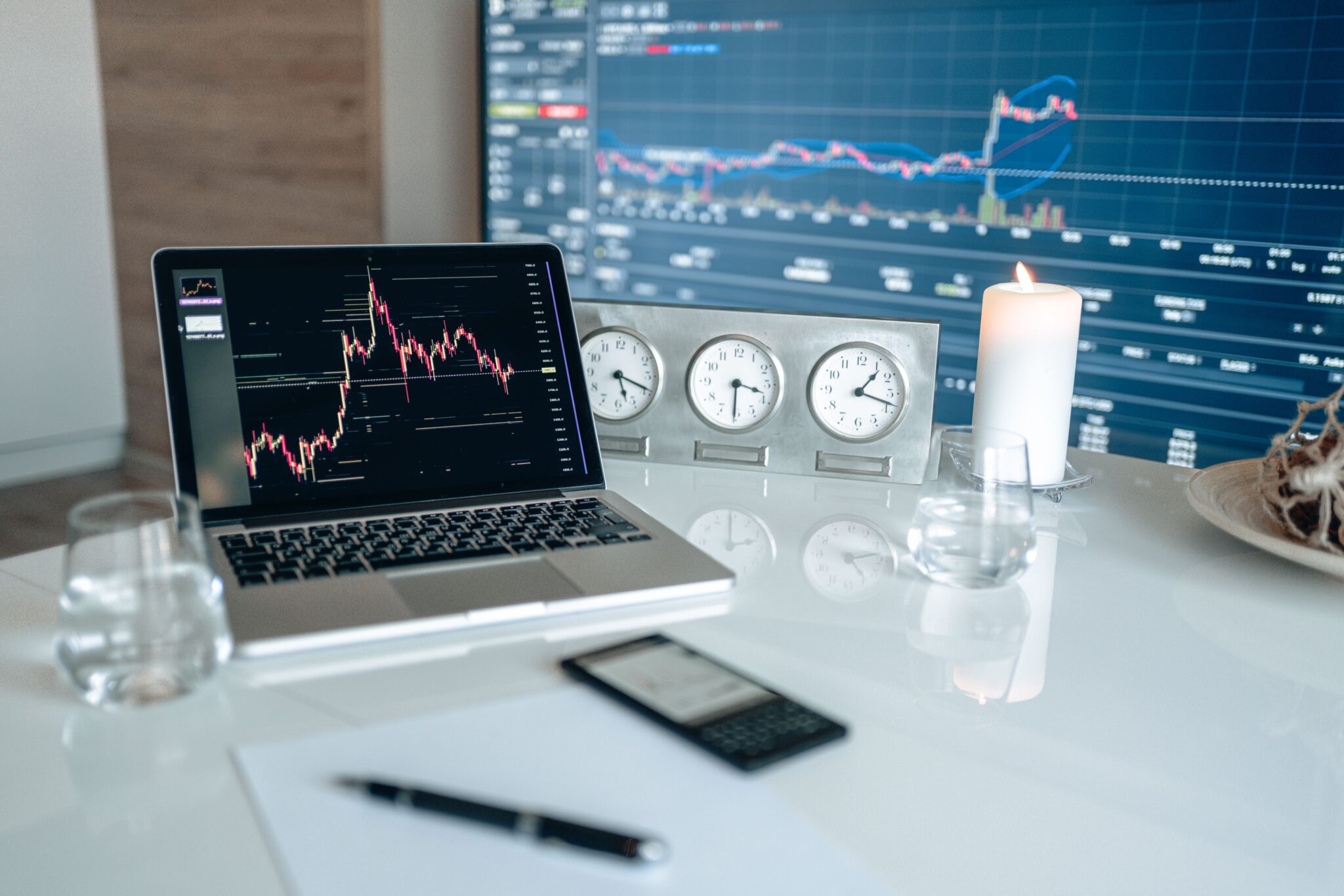
Day trading has a certain mystique. The idea of buying and selling stocks on the same day and walking away with quick profits sounds exciting, flexible, and maybe even a little rebellious compared to the traditional 9-to-5 grind.
That’s exactly why so many beginners dive in after binge-watching trading videos that promise to reveal the “secret” to beating the market. But behind the flashy screenshots and success stories lies a much more complicated reality. Day trading can make money for some people, but it also carries significant financial and emotional risks.
So, how risky is day trading really? The honest answer is that it can be very risky for most people, especially beginners. While the potential rewards can be high, the risk of losing money is equally real and sometimes painful.
Why Day Trading Looks So Easy Online
One reason day trading attracts so many people is that the internet makes it look incredibly simple. Videos are filled with traders celebrating huge gains, showing off luxury cars, or claiming that they turned a few hundred dollars into a small fortune overnight. What you usually don’t see are the losses, stress, or failed trades that happened behind the scenes.
There’s also the emotional thrill factor. Day trading moves fast, and that speed can feel addictive. Watching charts bounce up and down in real time creates an adrenaline rush that feels more exciting than slowly building wealth through long-term investing. For some people, the excitement becomes part of the appeal.
How Risky Is Day Trading, Really?
The biggest risk is simple: most new traders lose money. Many beginners jump into trades based on emotion rather than strategy. They panic when prices drop, chase trends after stocks already spike, or keep trading in hopes of recovering losses quickly. Unfortunately, emotional decisions and volatile markets are a dangerous combination.
Leverage makes things even riskier. Some trading platforms allow users to borrow money to increase their position sizes, which can amplify profits but also magnify losses.
In some cases, a bad trade can wipe out an account in minutes. That’s why day trading courses constantly stress risk management, patience, and discipline, even if those topics are far less exciting than screenshots of overnight success.
What Makes Day Trading Especially Dangerous?
One of the hardest parts of day trading is dealing with market volatility. Prices can swing wildly within minutes due to breaking news, earnings reports, economic data, or even a viral social media post.
A stock that looks promising at 9:15 a.m. can suddenly crash by 10:00 a.m. with almost no warning. Even experienced traders sometimes get caught on the wrong side of those rapid moves. Timing is another major challenge. Successful day trading often depends on making split-second decisions under pressure.
That sounds manageable in theory, but in reality, it’s incredibly difficult to predict short-term market behavior consistently. Professional traders spend years developing strategies, studying charts, and learning risk management, but they still lose trades regularly.
Then there are the hidden costs. Frequent trading can lead to commissions, platform fees, and short-term capital gains taxes that slowly chip away at profits. Many beginners focus entirely on the excitement of winning trades without realizing how much those smaller costs can add up over time.
Can Day Trading Be Done Safely?
“Safe” may not be the perfect word for day trading, but there are definitely ways to reduce the risks. One of the most important tools is risk management. Experienced traders often use stop-loss orders to automatically limit losses and avoid catastrophic mistakes. They also avoid putting too much money into a single trade.
Education can help, too, although it’s not a magic shield against losses. Reading market news, practicing with demo accounts, and taking day trading courses can help beginners understand how the market works before risking real money. Still, it’s important to remember that no course can guarantee profits, and anyone promising “easy money” should immediately raise red flags.
The traders who survive in the long term are usually those who rely on discipline rather than emotion. They follow strategies, stick to limits, and accept that losses are part of the process instead of chasing unrealistic win streaks.
Big Rewards Can Come With Bigger Risks
Day trading can be profitable, but it’s far from the easy-money fantasy often portrayed online. The combination of volatile markets, emotional pressure, leverage, and rapid decision-making makes it one of the riskiest ways to participate in the stock market.
For some people, the challenge and excitement are worth it. For many others, the financial risks outweigh the rewards. The smartest approach is to treat day trading with caution, realistic expectations, and a strong understanding of the risks before ever placing a trade.