In 2026, Korean luxury fashion brands are no longer emerging players operating on the edge of the global fashion industry. Instead, they have become influential cultural forces shaping the direction of luxury streetwear across Asia, Europe, and North America. What once appeared to be a niche segment driven by Seoul’s underground youth culture has evolved into a globally recognized luxury movement defined by innovation, identity, and digital influence.
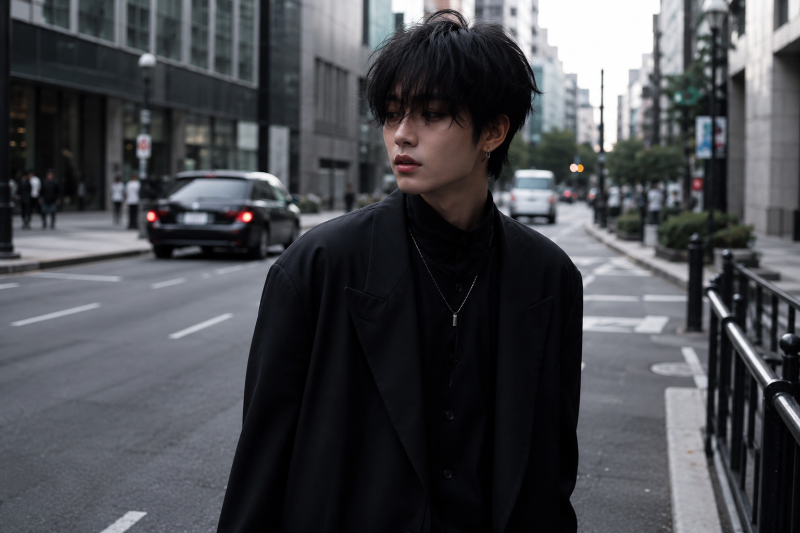
Seoul now stands beside traditional fashion capitals such as Paris and Milan as one of the most influential creative hubs in modern fashion culture. Moreover, Korean designers have mastered the balance between minimalist luxury and experimental streetwear aesthetics, creating collections that resonate strongly with Gen Z and younger affluent consumers worldwide. Oversized tailoring, technical fabrics, futuristic silhouettes, and utility-inspired layering have become signatures of Korean luxury streetwear, influencing both independent labels and established Western luxury houses.
The global popularity of K-pop and Korean entertainment has accelerated this transformation. Artists from BLACKPINK and BTS regularly appear in luxury campaigns, airport fashion photography, and global brand collaborations. Consequently, Korean luxury fashion brands have gained unprecedented visibility among digitally native consumers who view fashion as both personal identity and cultural participation.
Meanwhile, Seoul Fashion Week continues expanding its international relevance, attracting buyers, influencers, and luxury retailers seeking the next wave of streetwear innovation. As a result, Korean fashion now represents far more than a regional trend. It has become a defining language of contemporary luxury culture.
Why Korean Luxury Fashion Brands Are Growing Globally?
The rapid growth of Korean luxury fashion brands reflects broader cultural and economic changes happening across the global fashion industry. Over the last decade, South Korea transformed its cultural exports into worldwide entertainment phenomena. However, fashion quickly became one of the country’s most powerful soft-power industries alongside music, television, and beauty.
Digital-first marketing strategies played a major role in this expansion. Unlike many traditional European luxury houses that relied heavily on heritage storytelling, Korean brands embraced social media culture early. Therefore, they connected directly with younger audiences through visually driven campaigns, influencer partnerships, and limited-edition drops. Instagram, TikTok, and fashion-focused digital communities amplified Korean streetwear aesthetics at an unprecedented speed.
Additionally, Korean luxury brands understand youth-focused fashion psychology exceptionally well. Rather than emphasizing exclusivity through history alone, they prioritize relevance, individuality, and experimentation. This approach appeals strongly to younger consumers who seek identity-driven fashion instead of purely status-oriented luxury products.
Several factors accelerated Korean fashion’s global rise:
- Strong integration with entertainment culture
- High-quality minimalist and experimental design
- Celebrity-driven visibility
- Digital-native branding strategies
- Fast adaptation to evolving streetwear trends
Meanwhile, Korean designers continuously blur the boundaries between luxury tailoring and urban streetwear. Consequently, they have created a distinctive fashion identity that feels both aspirational and wearable.
The Top Korean Luxury Fashion Brands in 2026
Several Korean luxury fashion brands now dominate global streetwear conversations. Each label brings a distinct creative perspective while contributing to Seoul’s growing influence on modern luxury culture.
Ader Error
Ader Error remains one of the most recognizable names in Korean luxury streetwear. Known for oversized silhouettes, playful deconstruction, and conceptual storytelling, the brand has cultivated a strong global following among fashion-forward younger consumers. Moreover, its anonymous collective identity strengthens the label’s avant-garde appeal.
Gentle Monster
Gentle Monster transformed luxury eyewear into an immersive cultural experience. Its futuristic retail environments, celebrity collaborations, and sculptural designs elevated the brand beyond accessories into luxury art-driven fashion culture. Consequently, Gentle Monster became a symbol of Seoul’s creative innovation.
Wooyoungmi
Wooyoungmi represents refined Korean tailoring blended with modern streetwear sophistication. The brand appeals strongly to affluent consumers seeking understated luxury with contemporary styling. Additionally, its Paris runway presence helped legitimize Korean luxury fashion within traditional European fashion circles.
Andersson Bell
Andersson Bell merges Scandinavian minimalism with Korean street culture. This fusion creates collections that feel globally adaptable while maintaining a distinct Seoul identity. Therefore, the brand resonates strongly with consumers seeking wearable yet experimental fashion.
Juun.J
Juun.J continues redefining oversized tailoring and monochromatic luxury streetwear. Its dramatic silhouettes and architectural layering aesthetics influence both luxury designers and contemporary streetwear brands worldwide.
Post Archive Faction (PAF)
Post Archive Faction became one of the most influential technical streetwear labels of the decade. The brand’s futuristic construction techniques, asymmetrical tailoring, and experimental utility aesthetics align perfectly with evolving global fashion trends.
| Brand | Signature Style | Global Appeal | Luxury Positioning | Streetwear Influence |
|---|---|---|---|---|
| Ader Error | Oversized experimental fashion | Strong Gen Z following | Contemporary luxury | High |
| Gentle Monster | Futuristic eyewear | Celebrity collaborations | Luxury accessories | High |
| Wooyoungmi | Refined tailoring | Global menswear presence | Premium luxury | Medium |
| Andersson Bell | Nordic-Korean fusion | Modern wearable fashion | Contemporary premium | Medium |
| Juun.J | Architectural silhouettes | Runway credibility | Luxury avant-garde | High |
| Post Archive Faction | Technical utility wear | Streetwear innovation | Experimental luxury | Very High |
How K-Pop and Celebrity Culture Accelerated Korean Fashion?
K-pop and celebrity culture fundamentally reshaped the global visibility of Korean luxury fashion brands. Entertainment became the industry’s most powerful marketing engine, allowing Korean labels to access audiences far beyond traditional fashion consumers.
Members of BLACKPINK consistently influence global luxury purchasing behavior through campaigns, social media visibility, and international appearances. Moreover, their partnerships with European luxury houses indirectly increased global interest in Korean designers and Seoul-based fashion culture.
Similarly, BTS expanded luxury menswear visibility among younger consumers worldwide. Their collaborations normalized Korean streetwear aesthetics within mainstream luxury conversations. Consequently, Korean brands gained aspirational credibility across Western markets.
Airport fashion culture also became highly influential. Korean celebrities transformed casual travel outfits into globally discussed luxury streetwear moments. Meanwhile, social media amplified every appearance instantly, creating enormous visibility for Korean labels.
Several entertainment-driven factors accelerated growth:
- Celebrity fashion partnerships
- Viral social media exposure
- K-drama costume influence
- Airport fashion photography culture
- Luxury campaign collaborations
As a result, entertainment and fashion now operate as interconnected industries within South Korea’s global cultural strategy.
The Fusion of Luxury and Streetwear
One reason Korean luxury fashion brands dominate modern streetwear lies in their ability to merge sophistication with wearability. Traditional luxury houses often struggled to adapt to younger streetwear audiences. Korean designers, however, naturally integrated both worlds.
Oversized tailoring became a defining characteristic of Korean luxury fashion. Structured coats, relaxed trousers, and exaggerated proportions create silhouettes that feel modern without sacrificing elegance. Moreover, Korean designers frequently use muted palettes that enhance versatility while maintaining visual sophistication.
Utility-inspired fashion also became central to Korean streetwear aesthetics. Technical fabrics, modular garments, tactical pockets, and layered styling reflect contemporary urban lifestyles. Consequently, Korean fashion feels aligned with how younger consumers actually dress.
Important Korean streetwear characteristics include:
- Futuristic tailoring
- Minimalist color palettes
- Technical construction
- Experimental layering
- Relaxed luxury silhouettes
Additionally, Korean brands embrace gender-fluid styling more naturally than many traditional luxury houses. This flexibility strongly appeals to younger global audiences seeking fashion freedom rather than rigid dress conventions.
| Fashion Market | Traditional Luxury Houses | Korean Luxury Streetwear | Consumer Appeal Shift | Industry Impact |
|---|---|---|---|---|
| Design Philosophy | Heritage-focused | Culture-driven innovation | Toward individuality | High |
| Styling | Formal luxury | Relaxed premium wear | Comfort-first fashion | Major |
| Marketing | Traditional campaigns | Social media integration | Digital-native audiences | Transformational |
| Consumer Identity | Status signaling | Self-expression | Identity-driven luxury | Significant |
| Trend Influence | Seasonal runway trends | Fast cultural adaptation | Real-time relevance | Expanding |
Why Gen Z and Younger Affluent Consumers Prefer Korean Streetwear?
Gen Z consumers approach luxury differently from previous generations. Rather than valuing heritage alone, they prioritize authenticity, individuality, and cultural relevance. Korean luxury fashion brands understand this behavioral shift exceptionally well.
Younger affluent consumers increasingly reject overly formal luxury aesthetics. In contrast, Korean streetwear combines premium quality with comfort-focused styling. Therefore, consumers can express sophistication without appearing disconnected from contemporary culture.
Additionally, limited drops and exclusive collaborations create emotional excitement around Korean fashion brands. Scarcity generates community engagement while strengthening brand identity among digitally connected consumers.
Several psychological factors drive demand:
- Desire for self-expression
- Anti-traditional luxury attitudes
- Preference for wearable luxury
- Digital fashion participation
- Interest in culturally relevant brands
Meanwhile, Korean brands communicate directly with consumers through online communities, interactive campaigns, and influencer collaborations. Consequently, younger shoppers feel emotionally connected to these labels rather than merely purchasing products.
Seoul’s Role as a Global Fashion Capital
Seoul has evolved into one of the world’s most dynamic fashion capitals. Its rise reflects not only strong local creativity but also a broader shift toward culturally diverse fashion leadership.
Seoul Fashion Week expanded significantly in international influence throughout the 2020s. Buyers, editors, and influencers increasingly attend to identify emerging luxury streetwear trends before they reach global mainstream markets. Moreover, Seoul’s fast-moving creative culture allows designers to experiment more freely than traditional luxury capitals.
Luxury retail growth further strengthened Seoul’s position. Flagship stores, immersive fashion experiences, and technologically integrated retail environments attract both domestic consumers and international fashion tourists. Additionally, Korean consumers themselves maintain high fashion engagement, creating strong local demand for innovative luxury products.
Several elements define Seoul’s fashion influence:
- Advanced digital retail culture
- Experimental creative communities
- Strong luxury consumer market
- Technology-integrated fashion spaces
- Global tourism appeal
As a result, Seoul now shapes fashion conversations rather than simply responding to Western trends.
Technology and Innovation in Korean Fashion
Technology plays a major role in the success of Korean luxury fashion brands. South Korea’s advanced digital infrastructure allows fashion companies to experiment aggressively with immersive retail and AI-driven consumer engagement.
AI-powered fashion marketing enables brands to personalize campaigns and predict emerging style preferences more effectively. Meanwhile, virtual fashion campaigns and digital luxury communities attract younger audiences who engage with fashion primarily online.
Additionally, Korean brands excel at integrating physical and digital experiences. Interactive flagship stores, augmented reality experiences, and immersive installations transform shopping into entertainment-driven cultural participation.
Key innovation areas include:
- AI-driven marketing analytics
- Virtual campaign production
- Digital fashion communities
- Interactive luxury retail
- Immersive consumer experiences
Consequently, Korean luxury brands appear more adaptable and technologically aligned than many traditional competitors.
The Future of Korean Luxury Fashion Brands in 2026 and Beyond
The future of Korean luxury fashion brands looks increasingly global. Many labels are expanding retail operations into major Western cities while strengthening e-commerce infrastructure for international consumers.
Collaborations will likely remain central to future growth. Korean brands continue partnering with luxury houses, sneaker companies, artists, and entertainment franchises to expand cultural visibility. Moreover, sustainability-focused production practices are becoming increasingly important among younger consumers.
Meanwhile, the convergence between entertainment and fashion will deepen further. K-pop agencies, streaming platforms, and fashion brands increasingly operate within shared cultural ecosystems. Consequently, Korean luxury fashion may become even more integrated into global entertainment culture.
Future growth areas include:
- Western flagship expansion
- Sustainable luxury production
- Cross-industry collaborations
- AI-enhanced personalization
- Global retail integration
Therefore, Korean luxury fashion brands are positioned to remain highly influential throughout the next decade.
Unique Insight: Korean Fashion and the New Global Luxury Order
The success of Korean luxury fashion brands reflects a deeper transformation happening across the global luxury industry. Fashion influence is no longer concentrated exclusively within legacy capitals such as Paris or Milan. Instead, cultural relevance increasingly determines global fashion leadership.
Younger consumers now value creativity, authenticity, and identity-driven storytelling more than historical prestige alone. Consequently, agile Korean brands compete effectively against centuries-old European luxury houses despite lacking comparable heritage histories.
Moreover, streetwear and luxury are no longer separate categories. They have permanently merged into a new global fashion language centered around comfort, experimentation, and cultural participation. Korean designers understood this transition earlier than many traditional luxury brands.
Digital culture also accelerated this decentralization of fashion influence. Social media allows culturally agile brands to build global visibility rapidly without relying entirely on traditional gatekeepers. Therefore, Korean fashion’s rise demonstrates how modern luxury increasingly depends on community engagement rather than exclusivity alone.
Ultimately, Korean luxury fashion represents a new model for global luxury success one built around culture, innovation, digital relevance, and modern identity rather than legacy alone.
FAQs
What are the top Korean luxury fashion brands?
Leading Korean luxury fashion brands include Ader Error, Gentle Monster, Wooyoungmi, Andersson Bell, Juun.J, and Post Archive Faction (PAF).
Why is Korean streetwear so popular globally?
Korean streetwear combines luxury design, comfort, individuality, and strong cultural influence from K-pop and digital media.
How did Seoul become a fashion capital?
Seoul became influential through entertainment culture, digital innovation, experimental fashion design, and growing international recognition.
What makes Korean luxury fashion unique?
Korean luxury fashion uniquely blends minimalist sophistication with futuristic streetwear aesthetics and youth-focused creativity.
Which Korean brands are popular in streetwear culture?
Ader Error, PAF, Juun.J, and Gentle Monster are especially influential within global streetwear communities.
How does K-pop influence luxury fashion?
K-pop artists drive visibility through brand collaborations, social media exposure, airport fashion, and global fan engagement.
Is Korean luxury fashion competing with European brands?
Yes. Korean luxury brands increasingly compete with European houses through cultural relevance, innovation, and digital engagement.
Why do Gen Z consumers prefer Korean fashion?
Gen Z consumers value Korean fashion for its individuality, comfort, exclusivity, and modern cultural identity.
What trends define Korean luxury streetwear in 2026?
Oversized tailoring, technical fabrics, utility aesthetics, monochromatic palettes, and experimental layering define current trends.
What is the future of Korean fashion globally?
Korean fashion will likely continue expanding globally through collaborations, sustainability initiatives, and entertainment-driven branding.