In 2026, quiet luxury fashion has evolved from a niche aesthetic into the dominant language of affluent menswear. Wealthy consumers increasingly reject loud logos, seasonal hype, and attention-driven styling in favor of subtle craftsmanship, timeless tailoring, and understated elegance. Consequently, brands built on heritage and discretion now command greater cultural influence than many logo-centric fashion houses.
Among the strongest symbols of this shift stands the Kiton Brand. The Italian tailoring house has become deeply associated with billionaire style trends, not because it dominates social media visibility, but because it represents refined wealth without overt signaling. Moreover, the brand appeals to ultra-high-net-worth individuals who value exclusivity, comfort, and craftsmanship over mass recognition.
The growing influence of quiet luxury reflects broader changes across affluent consumer psychology. Wealthy buyers increasingly prioritize emotional value, longevity, and personal identity instead of trend-driven consumption. Meanwhile, Italian luxury tailoring continues to hold extraordinary prestige among elite global clients because it combines artistry with functionality.
The Kiton Brand thrives precisely within this environment. Its handmade Italian suits, Neapolitan craftsmanship, premium fabrics, and limited production philosophy align perfectly with modern stealth wealth aesthetics. As a result, the brand has become a defining example of how luxury fashion is evolving toward discretion, authenticity, and timeless sophistication.
Why Quiet Luxury Became the Dominant Wealth Aesthetic?
Quiet luxury fashion gained momentum because affluent consumers began experiencing fatigue from heavily branded luxury products. For years, visible logos functioned as clear social status markers. However, wealthy buyers increasingly viewed overt branding as predictable and commercially overexposed. In contrast, subtle craftsmanship and insider recognition started carrying greater prestige.
Old-money fashion culture also played an important role in this transformation. Generational wealth historically favored discretion over visibility, particularly in menswear. Therefore, understated tailoring, premium fabrics, and impeccable fit became more desirable than trend-heavy fashion pieces designed primarily for public attention.
Additionally, modern billionaire lifestyles increasingly prioritize privacy. Ultra-wealthy individuals often operate within executive environments, private travel circles, and invitation-only social networks where overt branding feels unnecessary. Consequently, quiet luxury aesthetics now communicate confidence without demanding visibility.
Several factors continue driving this shift:
- Wealthy consumers increasingly avoid excessive logo exposure
- Timeless tailoring offers better long-term wardrobe value
- Discreet luxury brands create stronger exclusivity
- Comfort-focused elegance aligns with modern executive lifestyles
- Craftsmanship now signals sophistication more effectively than branding
Meanwhile, social media saturation paradoxically accelerated the appeal of understatement. As trend-driven fashion became more performative online, affluent consumers began searching for products that felt personal rather than algorithmic. As a result, quiet luxury transformed into a form of insider cultural signaling.
How the Kiton Brand Built Its Reputation?
The Kiton Brand established its identity through Neapolitan tailoring traditions rather than aggressive marketing visibility. Founded in Naples, the company embraced handcrafted menswear production at a time when many luxury labels pursued large-scale manufacturing expansion. Nevertheless, Kiton maintained a philosophy centered on artisanal excellence and limited output.
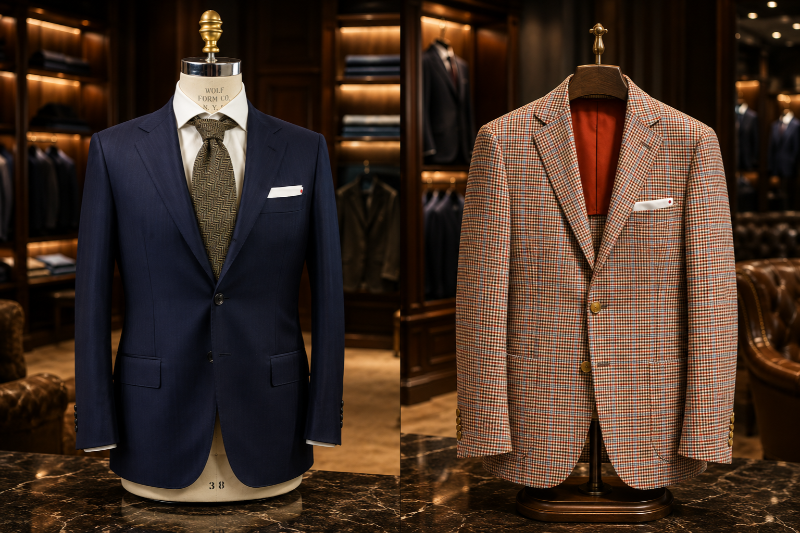
Its tailoring process remains central to its reputation. Handmade Italian suits require extensive labor, highly specialized craftsmanship, and meticulous attention to detail. Moreover, Kiton garments often involve hand-finished construction techniques that create exceptional softness, movement, and comfort.
Premium fabric sourcing further strengthens the brand’s appeal among affluent clients. Cashmere, vicuña, silk blends, and ultra-fine wool fabrics contribute not only to visual elegance but also to tactile luxury. Consequently, wealthy consumers view Kiton clothing as an emotional experience rather than a simple status purchase.
The brand also benefits from scarcity. Unlike logo-driven luxury fashion houses that depend on large-scale global visibility, Kiton operates with controlled production levels. Therefore, exclusivity emerges naturally through limited availability rather than artificial hype campaigns.
Several qualities define the Kiton Brand identity:
- Handmade tailoring rooted in Neapolitan craftsmanship
- Limited production emphasizing exclusivity
- Premium natural fabrics and artisanal finishing
- Comfort-driven luxury menswear construction
- Heritage-focused rather than trend-focused positioning
Meanwhile, affluent buyers increasingly value authenticity within luxury markets. Kiton competes primarily through craftsmanship quality, tailoring expertise, and heritage credibility rather than celebrity-driven marketing visibility. As a result, the brand resonates strongly with billionaires seeking subtle yet meaningful wardrobe investments.
Why Billionaires Prefer Quiet Luxury Brands?
| Factor | Quiet Luxury Appeal | Consumer Psychology | Lifestyle Impact | Long-Term Trend |
|---|---|---|---|---|
| Discretion | Avoids excessive visibility | Signals confidence | Supports private lifestyles | Growing stronger |
| Craftsmanship | Emphasizes artisanal quality | Creates emotional connection | Encourages long-term ownership | Increasing demand |
| Exclusivity | Limited accessibility | Enhances insider status | Reduces mass-market exposure | Sustained appeal |
| Comfort | Prioritizes wearability | Reflects practical luxury | Supports travel and business | Expanding importance |
| Timelessness | Avoids trend dependency | Reinforces stability | Extends wardrobe longevity | Dominant direction |
Why Craftsmanship Matters More Than Branding?
Craftsmanship increasingly defines modern luxury because affluent consumers now associate quality with authenticity rather than visibility. In previous decades, luxury branding often depended heavily on logos and marketing campaigns. However, today’s wealthy buyers frequently prioritize construction quality, material excellence, and artisanal detail.
Handmade tailoring creates emotional value that mass-produced fashion struggles to replicate. For example, bespoke suits involve personalization, fitting expertise, and individual craftsmanship that foster stronger consumer attachment. Consequently, buyers perceive such garments as investments rather than disposable fashion items.
Luxury fabrics further reinforce this perception. Cashmere, fine wool, silk blends, and hand-finished textiles provide sensory experiences that wealthy consumers immediately recognize. Meanwhile, durability and longevity strengthen the practical appeal of premium menswear.
Exclusivity through scarcity also matters significantly. Quiet luxury brands rarely flood global markets with easily recognizable products. Therefore, ownership feels more personal and culturally refined. In contrast, heavily marketed logo products can lose exclusivity once they achieve mass visibility.
Several factors explain the rising importance of craftsmanship:
- Handmade tailoring creates deeper emotional attachment
- High-quality fabrics improve comfort and longevity
- Limited production increases exclusivity
- Artisanal techniques preserve heritage value
- Timeless construction reduces trend dependency
Moreover, affluent consumers increasingly seek products aligned with their identities and values. Craftsmanship communicates patience, precision, and cultural sophistication. As a result, the Kiton Brand embodies a broader movement toward meaningful luxury consumption.
The Psychology Behind Billionaire Fashion Choices
Billionaire fashion trends increasingly reflect psychological priorities rather than public visibility. Wealthy individuals often prefer clothing that supports confidence, comfort, and executive presence without attracting unnecessary attention. Consequently, quiet luxury aesthetics align naturally with modern affluent lifestyles.
Status signaling still exists within luxury fashion. However, the signaling has become more subtle and insider-oriented. Instead of obvious logos, affluent consumers now communicate wealth through tailoring quality, fabric sophistication, and fit precision. Therefore, recognition increasingly comes from informed observers rather than mass audiences.
Comfort also plays a surprisingly important role. Billionaires frequently travel internationally, attend private business meetings, and navigate demanding schedules. As a result, they prioritize luxury wardrobes that combine elegance with wearability. Soft tailoring, lightweight construction, and flexible fabrics have become especially desirable.
Meanwhile, timeless investment dressing supports long-term practicality. Wealthy consumers increasingly avoid wardrobes built around rapidly changing trends. In contrast, they prefer versatile pieces capable of remaining relevant for years.
Key psychological drivers include:
- Desire for discretion and privacy
- Preference for timeless confidence over trend visibility
- Appreciation for comfort-driven elegance
- Interest in social exclusivity through subtle signaling
- Alignment between wardrobe identity and lifestyle
Additionally, quiet luxury increasingly functions as cultural literacy. Individuals familiar with elite tailoring houses recognize craftsmanship details immediately, while outsiders may overlook them entirely. Consequently, understated luxury creates a sophisticated form of insider communication.
Kiton Brand vs Traditional Logo-Driven Luxury Fashion
| Category | Kiton Approach | Traditional Luxury Approach | Affluent Buyer Preference | Market Direction |
|---|---|---|---|---|
| Branding | Minimal visibility | Prominent logos | Understatement | Quiet luxury growth |
| Production | Limited artisanal output | Scaled global production | Exclusivity | Smaller production runs |
| Tailoring | Handmade craftsmanship | Mixed manufacturing methods | Personalized fit | Craftsmanship focus |
| Consumer Appeal | Insider recognition | Broad visibility | Discretion | Stealth wealth |
| Wardrobe Philosophy | Timeless investment pieces | Seasonal trend cycles | Longevity | Sustainable luxury |
Why Italian Tailoring Still Dominates Elite Menswear?
Italian tailoring heritage continues dominating elite menswear because it balances elegance with comfort more effectively than many other tailoring traditions. Naples, in particular, remains globally respected for soft tailoring techniques that emphasize natural movement and relaxed sophistication.
Neapolitan craftsmanship differs from more rigid tailoring styles because it prioritizes fluidity and wearability. Consequently, garments feel less restrictive while maintaining refined structure. This balance strongly appeals to affluent buyers who require both professionalism and comfort.
Hand-finished construction also contributes significantly to Italian tailoring prestige. Skilled artisans shape jackets, lapels, and sleeves through manual techniques that machines cannot fully replicate. Therefore, Italian luxury tailoring often delivers superior drape and fit.
Several characteristics define elite Italian menswear:
- Soft tailoring emphasizing natural comfort
- Hand-finished garment construction
- Lightweight luxury fabrics
- Personalized fit refinement
- Strong heritage craftsmanship traditions
Moreover, Italian tailoring aligns naturally with quiet luxury aesthetics. Rather than emphasizing aggressive visual statements, it communicates refinement through proportion, material quality, and subtle detail. As a result, wealthy consumers continue viewing Italian tailoring as the gold standard for premium menswear lifestyle dressing.
Younger Wealthy Buyers Are Redefining Luxury Fashion
Younger millionaires and affluent professionals increasingly embrace quiet luxury styles because they prioritize authenticity over conspicuous consumption. Unlike earlier generations influenced heavily by visible status branding, many younger wealthy buyers seek understated elegance and practical sophistication.
This shift partly reflects changing professional cultures. Modern executives, entrepreneurs, and technology investors often operate in environments where excessive luxury signaling feels outdated. Consequently, refined tailoring and comfort-driven elegance appear more contemporary and credible.
Social media also shaped younger affluent behavior in unexpected ways. Constant exposure to influencer-driven fashion trends created fatigue around overt designer visibility. Therefore, many wealthy younger consumers now favor discreet luxury brands that feel more individualistic and less commercially saturated.
Several trends define younger affluent fashion behavior:
- Preference for timeless wardrobe investments
- Rejection of excessive fashion hype
- Interest in artisanal production quality
- Focus on comfort-driven tailoring
- Adoption of stealth wealth aesthetics
Meanwhile, quiet luxury increasingly overlaps with identity signaling. Younger wealthy buyers often view understated fashion as evidence of confidence, maturity, and cultural sophistication. As a result, brands like Kiton resonate strongly with affluent professionals seeking credibility rather than attention.
Why Quiet Luxury Fits Modern Billionaire Lifestyles?
Modern billionaire lifestyles increasingly revolve around privacy, mobility, and executive functionality. Consequently, quiet luxury aesthetics fit naturally within these environments. Clothing that communicates sophistication without attracting unnecessary attention supports both personal discretion and professional presence.
Private aviation, international business travel, and exclusive hospitality environments also influence affluent wardrobe preferences. Wealthy consumers require garments capable of transitioning seamlessly between meetings, dinners, travel schedules, and social settings. Therefore, comfort-focused tailoring has become especially valuable.
Moreover, affluent individuals often prioritize efficiency in wardrobe building. Instead of constantly purchasing trend-driven fashion, they increasingly invest in versatile garments with lasting relevance. As a result, timeless tailoring and premium craftsmanship provide stronger long-term utility.
Quiet luxury also reduces performative consumption pressure. Many billionaires no longer feel compelled to display wealth visibly because their social status already feels secure. In contrast, understated elegance reinforces self-assurance through restraint.
This lifestyle alignment explains why stealth wealth aesthetics continue gaining momentum across elite menswear markets in 2026.
The Future of Quiet Luxury Fashion in 2026 and Beyond
Quiet luxury will likely remain highly influential because broader affluent culture increasingly values authenticity, longevity, and personalization. Consumers now seek emotional value alongside prestige, particularly within luxury fashion categories. Consequently, artisanal brands with strong heritage identities appear well-positioned for future growth.
Sustainability concerns also reinforce this movement. Wealthy buyers increasingly prefer fewer, higher-quality garments capable of lasting for years. Therefore, investment-driven wardrobe building continues replacing fast-moving seasonal consumption patterns.
Meanwhile, limited-production luxury fashion creates stronger exclusivity than mass-market visibility. Brands emphasizing craftsmanship, scarcity, and personalization may benefit substantially as affluent consumers move further toward discretion-focused luxury.
The Kiton Brand phenomenon reflects these broader market transformations. Wealthy consumers increasingly reward authenticity, artisanal excellence, and emotional craftsmanship value rather than aggressive branding strategies. Additionally, quiet luxury now functions as a sophisticated form of insider status signaling within affluent culture.
Future luxury fashion trends may increasingly favor:
- Heritage craftsmanship over trend acceleration
- Limited production over mass visibility
- Personalized tailoring over generic luxury
- Longevity-focused wardrobes over seasonal excess
- Comfort-driven elegance over performative fashion
Ultimately, the next era of luxury fashion may belong to brands capable of combining timeless craftsmanship with understated modern sophistication. In that environment, the Kiton Brand represents far more than premium menswear. It symbolizes the evolving psychology of wealth itself.
FAQs
What is the Kiton brand known for?
The Kiton Brand is known for handmade Italian suits, Neapolitan craftsmanship, luxury fabrics, and ultra-premium tailoring quality.
Why do billionaires prefer quiet luxury fashion?
Billionaires often prefer quiet luxury because it emphasizes discretion, comfort, exclusivity, and timeless sophistication instead of overt branding.
Is Kiton better than logo-driven luxury brands?
Many affluent buyers prefer Kiton because it prioritizes craftsmanship, tailoring quality, and exclusivity rather than mass-market logo visibility.
Why is Italian tailoring so respected?
Italian tailoring remains respected for its soft construction, elegant proportions, comfort-focused fit, and strong artisanal heritage.
What does quiet luxury mean in fashion?
Quiet luxury refers to understated fashion that communicates wealth through quality, craftsmanship, and refinement instead of obvious branding.
Why are wealthy buyers avoiding flashy logos?
Many wealthy consumers now associate excessive logos with overexposure and trend-driven fashion rather than authentic sophistication.
Is Kiton considered old-money fashion?
Yes. Kiton aligns strongly with old-money fashion aesthetics because it emphasizes timeless tailoring, discretion, and understated elegance.
Why is craftsmanship important in luxury menswear?
Craftsmanship improves fit, comfort, durability, exclusivity, and emotional value, making garments feel more personal and long-lasting.
Are younger millionaires embracing quiet luxury?
Yes. Younger affluent professionals increasingly favor understated elegance, timeless tailoring, and comfort-driven luxury wardrobes.
What trends are shaping luxury fashion in 2026?
Key trends include quiet luxury growth, artisanal craftsmanship demand, comfort-focused tailoring, sustainability, and investment-oriented wardrobe building.