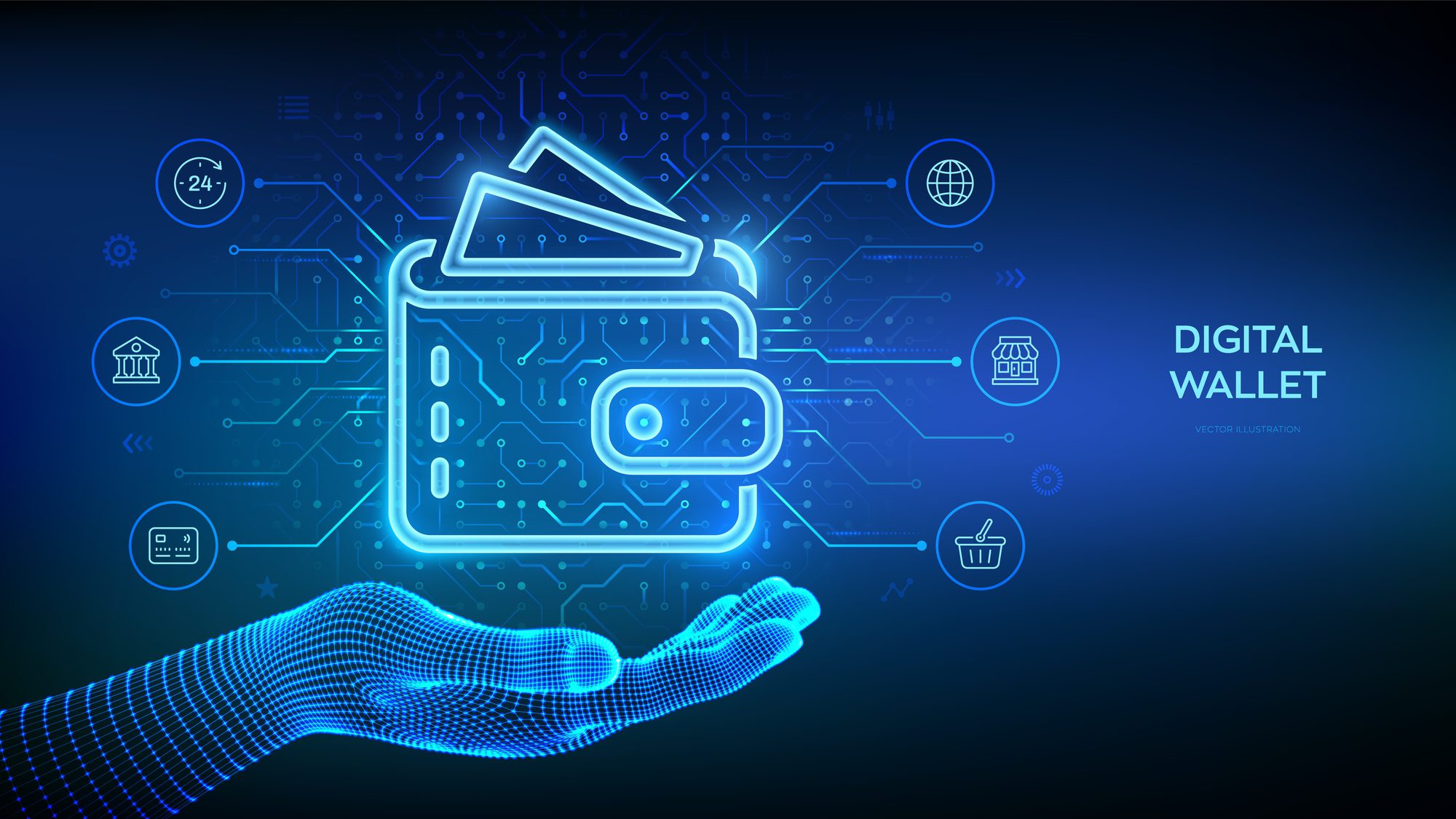
There was a time when affluence announced itself with a leather billfold and the slow ceremony of a black card sliding across a marble counter. That theater is fading. The new signature of wealth is quieter, sitting in the back pocket of a tailored blazer: a phone with a constellation of payment apps, each one capable of moving four or five figures with a thumbprint.
Venmo, Apple Pay, Zelle, and Cash App were built for splitting brunch and reimbursing roommates. A decade later, they have crept upmarket. Concierge teams accept them. Private chefs invoice through them. Charitable galas link to them on the back of the menu. The cultural shift is unmistakable, and for the high-net-worth set, it raises a question worth examining: what does it mean when the tools of casual peer-to-peer payment become the plumbing of luxury life?
The casual creep of P2P into premium experiences
Consider the most everyday version of this trend. A group settles a long, lingering tab after an evening at a Brooklyn wine bar, a Napa tasting room, or an afternoon hopping breweries through North Park and Miramar. Nobody asks for separate checks anymore. Someone covers the round; three taps later, the rest of the table has paid them back. The friction is gone, and with it, a small social tax that used to define group spending. According to Sandiegobeer, the appeal of these P2P apps in lifestyle spending comes down to a familiar logic: the smoother the payment experience, the more attention people can give to the conversation, the company, and the actual thing they are there to enjoy — whether that is a craft pour, a tasting flight, or a long dinner. The mechanics of the transaction simply disappear, which is precisely the point.
That same frictionlessness now appears in places that were, until recently, allergic to anything resembling a mobile app. Private clubs in Manhattan accept Apple Pay at the bar. Aspen ski concierges request a Zelle for a last-minute helicopter add-on. Members-only travel platforms route deposits through digital wallets because wire transfers, with their three-business-day delay and $30 fees, feel anachronistic. The luxury industry has spent two decades insisting that white-glove service and high-tech convenience were opposites. They were wrong.
The data behind the migration
This is not anecdote. According to the Federal Reserve’s 2025 Diary of Consumer Payment Choice, U.S. consumers made an average of 48 payments per month in 2024, up from previous years, with growth driven specifically by mobile devices and remote payments. Mobile payment apps — a category that includes Venmo, Zelle, and PayPal — have become a standard line item in the Fed’s tables, no longer a footnote.
What the Fed’s numbers don’t capture, but private banking advisors will tell you off the record, is how the ticket sizes have crept up. A Venmo transaction used to mean splitting a $42 dinner. Now it’s a $4,200 deposit on a wine futures allocation, or an $18,000 reimbursement to a friend who fronted a Patagonia charter. The apps haven’t fundamentally changed; the users — and the dollar values they’re willing to move through them — have.
Why the ultra-wealthy adopt slowly, then all at once
Family offices and private banks were, predictably, the last to admit this was happening. For years, the assumption was that ultra-high-net-worth clients didn’t want digital wallets because they had personal bankers, wire desks, and family office controllers to handle anything above $1,000. That logic held until the next generation came of age. Heirs in their twenties and thirties, raised on instant gratification and frictionless interfaces, simply refused to call a wire desk to send their roommate $300. They demanded — and got — integrations that allowed personal P2P apps to coexist with the institutional plumbing of a multi-generational portfolio.
The broader transformation is one Impact Wealth has tracked closely in its coverage of the future of digital payments and global finance. The story is no longer about a single app or a single innovation; it’s about a layered ecosystem in which P2P transfers, real-time bank rails, stablecoins, and credit card rewards all coexist, and consumers move fluidly between them depending on the use case. Convenience wins the small transactions. Yield, security, and reporting still win the large ones. But the boundary between “small” and “large” has been moving steadily upward.
The new etiquette of frictionless money
There is a social dimension to this that wealth managers often underestimate. Money, at every income level, is a language of relationships. The choice of payment method signals something. Cash is intimate and a little secretive. A wire transfer is formal, almost legalistic. A Venmo, with its public feed and emoji captions, is casual and communal.
Affluent users have started to develop their own etiquette. Public Venmo feeds get switched to private. Captions get deliberately vague — a single olive emoji to settle a $1,200 dinner is, apparently, the new tasteful flex. The point is that even at the upper end of the spending spectrum, the human impulse to reduce friction and signal informality is alive and well. Digital wallets just happen to be the instrument best suited to expressing it.
What to watch next
Three developments are worth tracking over the next eighteen months. First, real-time payment rails — the Fed’s FedNow service and the Clearing House’s RTP network — will continue to compress the gap between “instant” P2P apps and “official” bank transfers. The advantage of using a third-party wallet shrinks as banks catch up.
Second, expect digital wallets to push aggressively into rewards and yield. Apple’s high-yield savings account was a preview. The next logical step is a P2P app that pays interest on idle balances and stacks rewards on outbound spending — effectively merging a checking account, a credit card, and a payment app into one interface.
Third, watch for charitable giving to be the unsung beneficiary of all this. Donor-advised funds and major nonprofits are already piloting P2P-native donation flows. For affluent givers, this means the same instinct that closes a brewery tab can, with equally little friction, send four figures to a family foundation.
The convenience revolution that started with splitting dinner is now reshaping how wealth moves at every level. For luxury consumers, the lesson is straightforward: the phone has won. The wallet, even the leather one tucked into a tailored blazer, is decoration.
Photo by depositphotos