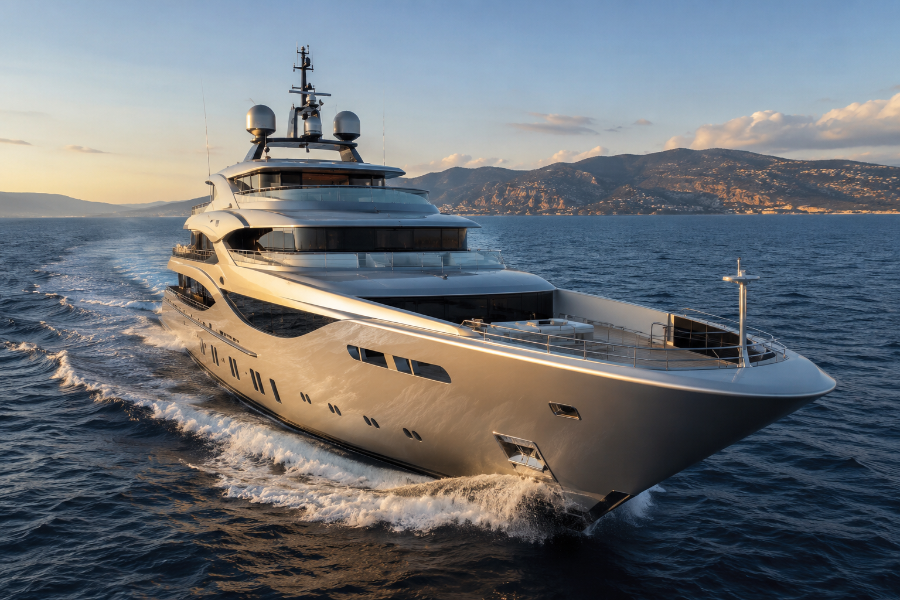
The modern Global Megayacht industry operates far beyond the image of leisurely cruising and extravagant social gatherings. Today’s megayachts function as highly coordinated mobile ecosystems that combine luxury hospitality, international logistics, private security, advanced engineering, and global mobility. Moreover, as ultra-high-net-worth travelers increasingly prioritize privacy and flexibility, megayachts have evolved into floating lifestyle platforms capable of delivering personalized experiences across multiple continents.
In 2026, the operational reality behind a Global Megayacht has become even more complex. Rising fuel prices, increasing staffing costs, stricter environmental regulations, and growing expectations from affluent travelers continue to reshape the luxury maritime sector. Meanwhile, charter demand remains strong as younger wealthy travelers seek immersive travel experiences rather than traditional luxury tourism alone.
Unlike conventional luxury assets, megayachts require year-round operational management. Crews coordinate international itineraries, maintain five-star hospitality standards, secure marina access, manage technical systems, and oversee guest privacy around the clock. Consequently, operating a megayacht increasingly resembles running a boutique luxury hotel combined with a global logistics business.
At the same time, affluent travelers now expect seamless digital connectivity, customized wellness experiences, world-class dining, and discreet security services at sea. Therefore, the Global Megayacht market reflects a larger transformation occurring across luxury travel itself, where operational excellence matters just as much as design, size, or prestige.
Why Operating a Global Megayacht Is More Complex Than Most Realize?
Owning a Global Megayacht involves significantly more than purchasing a luxury vessel. Behind every polished deck and elegant interior exists a sophisticated operational framework that supports year-round mobility and hospitality. Moreover, megayachts frequently travel across multiple legal jurisdictions, requiring compliance with international maritime regulations, port permissions, tax structures, and crew certification standards.
Fuel logistics alone can become highly demanding. Large megayachts consume substantial amounts of fuel during seasonal crossings between regions such as the Mediterranean, the Caribbean, the Middle East, and Southeast Asia. Meanwhile, engineering teams continuously monitor propulsion systems, electrical infrastructure, and onboard climate control to maintain uninterrupted operations.
Provisioning also reflects the complexity of modern megayacht culture. Guests often expect Michelin-level dining, premium wellness products, rare wines, and customized experiences regardless of geographic location. Consequently, yacht management companies coordinate global supply chains capable of delivering luxury goods to remote marinas and island destinations with remarkable speed.
Additionally, maintenance responsibilities never truly stop. Even while guests are absent, crews continue polishing exteriors, updating onboard systems, servicing engines, and preparing for future itineraries. Therefore, many megayachts operate more like luxury businesses than recreational vessels.
Key operational responsibilities often include:
- International maritime compliance management
- Seasonal itinerary coordination
- Fuel and maintenance scheduling
- Crew recruitment and rotation
- Luxury provisioning logistics
As a result, operational efficiency has become central to preserving both yacht value and guest satisfaction.
How Crew Operations Power the Modern Global Megayacht?
The crew remains the foundation of every successful Global Megayacht operation. While yacht design attracts attention, service quality increasingly determines reputation within the ultra-luxury maritime industry. Moreover, affluent travelers now expect hospitality standards comparable to elite resorts and private aviation experiences.
Captains oversee navigation, regulatory compliance, weather routing, and guest safety. However, their responsibilities extend far beyond steering the vessel. Captains often coordinate international marina access, customs procedures, fuel operations, and confidential travel arrangements simultaneously.
Meanwhile, engineering departments maintain propulsion systems, power generation, water purification, digital infrastructure, and stabilization systems. On larger vessels, engineering crews operate continuously to ensure comfort and technical reliability during long voyages.
Hospitality teams have also expanded considerably in recent years. Private chefs, stewards, wellness specialists, and concierge staff now create highly personalized guest experiences tailored to individual preferences. For example, guests may request customized nutrition programs, onboard spa services, destination-specific entertainment, or last-minute itinerary changes.
Additionally, rotational staffing has become increasingly common due to rising operational demands and crew burnout concerns. Yacht management firms now recruit globally to secure multilingual professionals capable of delivering consistent luxury experiences year-round.
Core crew divisions typically include:
- Navigation and bridge operations
- Engineering and technical maintenance
- Hospitality and guest services
- Culinary and wellness staff
- Security and logistics coordination
Consequently, crew quality has become one of the primary competitive differentiators within the luxury yachting market.
Key Operational Costs Behind a Global Megayacht
| Expense Category | Operational Impact | Luxury Requirement | Cost Pressure | Industry Challenge |
|---|---|---|---|---|
| Fuel Consumption | Long-distance mobility | Smooth global travel | Rising fuel prices | Environmental scrutiny |
| Crew Salaries | Continuous operations | Elite hospitality standards | Staffing inflation | Talent retention |
| Maintenance | Technical reliability | Luxury presentation | Constant upkeep | Aging fleet management |
| Marina Fees | Global access | Premium docking locations | Seasonal surcharges | Limited berth capacity |
| Provisioning | Guest experience quality | Customized luxury services | Import logistics | Supply chain coordination |
| Security Systems | Privacy protection | Discreet operations | Technology upgrades | Cybersecurity threats |
Why UHNW Travelers Continue to Embrace Megayacht Culture?
The appeal of the Global Megayacht lifestyle increasingly revolves around flexibility, discretion, and personalized mobility. While luxury hotels still attract affluent travelers, many ultra-high-net-worth individuals now prioritize environments they can fully control.
Privacy remains one of the strongest advantages. Megayachts allow travelers to avoid crowded tourist infrastructure while maintaining secure and highly customized surroundings. Moreover, onboard teams can tailor nearly every aspect of the guest experience, from dining schedules to destination planning.
Experiential travel has also become a major driver of megayacht demand. Younger wealthy travelers increasingly value exclusive adventures, wellness-focused itineraries, and immersive cultural experiences over traditional luxury displays. Consequently, megayachts provide a platform for combining exploration with personalized comfort.
Meanwhile, flexibility continues to attract global entrepreneurs, investors, entertainers, and family offices. A megayacht can operate simultaneously as a private residence, business environment, entertainment venue, and travel platform.
Several factors continue driving demand:
- Greater control over privacy and security
- Customized itineraries and guest experiences
- Access to remote luxury destinations
- Seamless integration of business and leisure travel
- Highly personalized hospitality environments
Therefore, megayachts increasingly represent lifestyle freedom rather than visible extravagance alone.
How Technology Is Transforming Megayacht Operations?
Technology now shapes nearly every aspect of modern Global Megayacht management. Advanced onboard systems improve operational efficiency, enhance guest experiences, and support global connectivity expectations. However, these innovations also introduce new layers of complexity.
Smart onboard automation allows crews to manage lighting, climate control, entertainment systems, and energy consumption through centralized platforms. Meanwhile, satellite connectivity ensures uninterrupted communication for guests conducting business remotely while traveling internationally.
Digital concierge systems have also transformed hospitality operations. Guests can customize dining preferences, wellness schedules, entertainment requests, and itinerary changes through integrated applications. Consequently, personalization has become faster and more sophisticated than ever before.
Cybersecurity has emerged as another critical operational priority. Because affluent travelers frequently conduct sensitive business activities onboard, megayachts now require enterprise-grade digital security protections. Additionally, yacht management firms increasingly invest in encrypted communication systems and cyber-risk monitoring.
Hybrid propulsion discussions are also growing across the industry. Although full sustainability remains difficult for large vessels, many builders now explore fuel efficiency improvements and reduced-emission technologies.
Important technology priorities include:
- Satellite-based global connectivity
- Smart vessel automation systems
- Digital concierge integration
- Advanced cybersecurity infrastructure
- Hybrid propulsion experimentation
Nevertheless, rising technical complexity continues increasing maintenance costs and operational oversight requirements.
Modern Megayacht Operational Priorities in 2026
| Priority | Owner Benefit | Operational Requirement | Luxury Impact | Industry Trend |
|---|---|---|---|---|
| Privacy Protection | Discreet travel | Enhanced security systems | Greater client confidence | High demand |
| Personalization | Unique guest experiences | Dedicated concierge coordination | Stronger loyalty | Experience-driven luxury |
| Sustainability | Reputation management | Emission reduction initiatives | Modern luxury perception | Regulatory pressure |
| Connectivity | Seamless remote work | High-bandwidth satellite systems | Business continuity | Digital mobility |
| Wellness Integration | Lifestyle enhancement | Specialized onboard staff | Premium positioning | Growing wellness tourism |
Why Charter Demand Is Reshaping the Luxury Yachting Industry?
Charter demand has become one of the most influential forces within the Global Megayacht sector. Traditionally, megayachts primarily symbolized private ownership prestige. However, the charter market now attracts affluent travelers seeking flexible luxury experiences without full ownership commitments.
Younger wealthy clients especially prefer experiential access over long-term asset management responsibilities. Consequently, luxury charter providers increasingly compete through service quality, destination customization, and hospitality innovation rather than vessel size alone.
Seasonal demand spikes continue shaping operational strategies as well. Mediterranean summers and Caribbean winters generate intense competition for marina space, experienced crews, and premium provisioning services. Meanwhile, emerging destinations in Asia-Pacific and the Middle East create new opportunities for luxury maritime tourism.
Additionally, charter guests now expect highly curated experiences. Wellness retreats, adventure itineraries, private culinary events, and immersive cultural programming have become central components of modern yachting experiences.
As a result, the luxury yachting business increasingly resembles the broader luxury hospitality industry, where personalization and operational consistency drive customer loyalty.
Risks and Challenges Facing the Megayacht Industry
Despite continued growth, the Global Megayacht market faces substantial operational and reputational challenges. Environmental criticism remains one of the industry’s most significant pressures, particularly regarding fuel consumption and emissions associated with large vessels.
Meanwhile, rising operational costs continue affecting profitability and ownership economics. Crew salaries, insurance premiums, fuel expenses, marina fees, and technical maintenance costs have all increased notably entering 2026. Consequently, yacht management firms must balance operational excellence with financial efficiency.
Global marina infrastructure also faces mounting pressure. Premium docking locations remain limited in many high-demand regions, creating logistical challenges during peak charter seasons. In contrast, newer yachting hubs continue investing heavily in luxury marina development to attract affluent tourism.
Regulatory scrutiny has intensified as well. Governments increasingly examine tax structures, environmental compliance standards, and vessel registration frameworks. Additionally, younger wealthy travelers often expect sustainability initiatives from luxury brands, including maritime operators.
Major industry challenges include:
- Environmental and emissions concerns
- Rising staffing and fuel expenses
- Limited marina availability
- Increasing regulatory oversight
- Sustainability expectations from younger clients
Nevertheless, industry leaders continue adapting through operational innovation and improved environmental strategies.
Why Megayachts Are Becoming Lifestyle Ecosystems?
The modern Global Megayacht increasingly functions as a complete lifestyle environment rather than a standalone vessel. Owners and charter guests now expect integrated wellness, entertainment, business, and hospitality capabilities within a single mobile platform.
Wellness integration has become especially influential. Many megayachts now feature fitness studios, recovery therapy spaces, meditation areas, and personalized health programs. Meanwhile, luxury hospitality partnerships bring elite chefs, wellness consultants, and branded experiences directly onboard.
Business functionality also plays an expanding role. Entrepreneurs and executives increasingly use megayachts as mobile workspaces capable of supporting confidential meetings, remote operations, and private networking events. Consequently, onboard connectivity infrastructure has become essential.
Concierge-driven personalization continues differentiating premium yacht operators as well. From arranging secluded island excursions to organizing tailored culinary experiences, crews now manage highly individualized travel ecosystems.
Moreover, luxury maritime brands increasingly compete through service quality and customization rather than pure visual extravagance. Therefore, operational sophistication has become a defining feature of the evolving megayacht industry.
Why the Future of the Global Megayacht Industry Is Evolving?
The future of the Global Megayacht industry reflects broader changes occurring across luxury travel and affluent lifestyles. Increasingly, ultra-wealthy travelers prioritize flexibility, privacy, personalization, and mobility over traditional displays of visible wealth.
Technology will continue redefining operational expectations. Smart automation, digital concierge systems, and advanced connectivity solutions will shape guest experiences across the next generation of megayachts. However, operational professionalism will remain equally important as technical systems become more advanced.
Sustainability pressures will also influence future yacht design and management strategies. Hybrid propulsion systems, improved energy efficiency, and environmentally conscious operations will likely become stronger competitive differentiators across the sector.
Meanwhile, younger affluent travelers continue reshaping luxury expectations. They often value customized experiences, wellness integration, cultural immersion, and seamless travel flexibility more than ownership prestige alone. Consequently, charter accessibility and service innovation will likely drive future industry growth.
Ultimately, megayachts are evolving beyond symbols of wealth into highly managed luxury ecosystems built around convenience, exclusivity, and globally coordinated mobility. As a result, operational excellence may become the defining measure of prestige within the future luxury maritime market.
FAQs
What is considered a global megayacht?
A global megayacht is a large luxury yacht designed for international travel, long-range cruising, and ultra-premium hospitality experiences across multiple regions worldwide.
How much does it cost to operate a megayacht annually?
Annual operating costs can range from several million dollars to tens of millions depending on yacht size, fuel usage, staffing, maintenance, and marina expenses.
Why do UHNW travelers prefer megayachts?
UHNW travelers value megayachts for their privacy, flexibility, personalized experiences, security, and ability to access exclusive destinations.
How many crew members operate a megayacht?
Crew sizes vary significantly, although large megayachts may require dozens of professionals across navigation, engineering, hospitality, culinary, and security departments.
What are the biggest operational challenges for megayachts?
Key challenges include rising fuel costs, staffing shortages, environmental regulations, marina limitations, and increasing guest expectations.
Why is charter demand increasing in 2026?
Younger affluent travelers increasingly prefer experiential luxury travel and flexible access models instead of full ownership commitments.
How is technology changing megayacht operations?
Technology improves automation, satellite connectivity, guest personalization, digital concierge services, and cybersecurity management aboard megayachts.
What environmental challenges face the yachting industry?
The industry faces criticism related to emissions, fuel consumption, sustainability practices, and environmental impact regulations.
Why are personalized experiences important in luxury yachting?
Customized experiences help differentiate luxury operators while meeting rising expectations from affluent travelers seeking unique and immersive journeys.
What trends are shaping the future of global megayachts?
Major trends include sustainability innovation, advanced connectivity, experiential luxury travel, wellness integration, and highly personalized hospitality services.