Creating a high-end experience is not just about serving exceptional food. It is about designing a moment where every detail, from lighting to service timing, works together to leave a lasting impression. Whether you are hosting clients, planning an event, or elevating your own dining standards, the goal is to create something that feels intentional, seamless, and memorable.
Here is how to curate that kind of experience step by step.
Start with a Clear Experience in Mind
Before choosing a menu or venue, define what you want people to feel. High-end experiences are guided by emotion as much as execution.
Are you aiming for refined and professional? Relaxed but elevated? Celebratory and memorable? Each direction influences every decision that follows, from décor to pacing.
Luxury is not about excess. It is about alignment. When every element supports a single vision, the experience feels cohesive rather than overwhelming.
Choose a Venue That Does the Heavy Lifting
The environment sets the tone before a single word is spoken or a dish is served. This is why selecting the right location is one of the most important decisions you can make.
Spaces that are already designed for elevated experiences provide a strong foundation. For example, a well-established Boston steakhouse offers more than just a meal. It delivers a curated atmosphere, combining elegant interiors, attentive service, and a menu built around premium ingredients.
Venues like this are intentionally structured to balance sophistication with comfort, making them ideal for everything from business dinners to milestone celebrations. Located in Boston’s Seaport District, Eddie Merlot’s blends classic steakhouse design with modern ambiance, creating a setting that feels both polished and welcoming.
Choosing a venue that already prioritizes these details allows you to focus on the experience rather than building it from scratch.
Design the Atmosphere with Intention
Atmosphere is what transforms a meal into an experience. It works quietly in the background, but it shapes how people feel and interact.
Focus on three key elements:
- Lighting should be soft and layered, creating warmth without reducing visibility.
- Sound should support conversation, not compete with it.
- Spacing should allow for privacy while maintaining a sense of energy in the room.
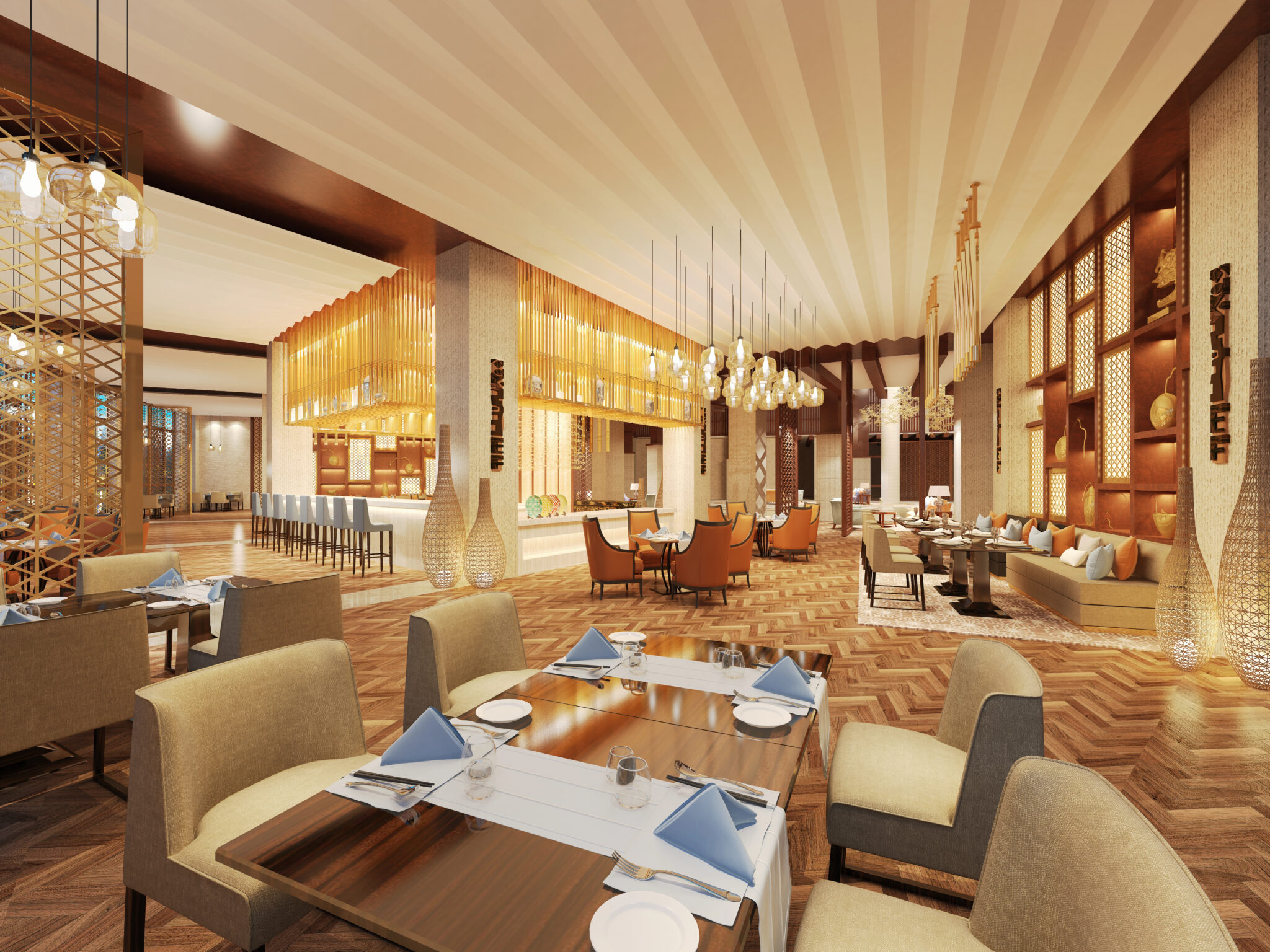
High-end restaurants carefully control these factors. From ambient lighting to thoughtful layout, everything is designed to encourage comfort and connection.
When curating your own experience, aim to replicate this balance.
Elevate the Food Beyond the Plate
High-end dining is not just about what is served but how it is presented and experienced.
Menus should feel intentional rather than overwhelming. Quality always outweighs quantity. Think in terms of progression:
- Start with lighter, shareable dishes
- Move into a well-executed main course
- Finish with something memorable, whether that is dessert or a final drink
Premium venues often center their menus around standout ingredients like expertly prepared steaks or fresh seafood, paired with carefully selected wines.
This structure creates a natural flow to the experience, allowing each course to build on the last.
Pay Attention to Service and Timing
Service is one of the most defining elements of a high-end experience. It should feel present but never intrusive.
Pacing matters. Courses should arrive at a rhythm that supports conversation rather than interrupting it. This is something top-tier restaurants excel at, ensuring that the experience feels smooth and unhurried.
Even small details, such as remembering preferences or anticipating needs, contribute to a sense of care and professionalism.
Create Space for Connection
A truly elevated experience is not just about aesthetics or food. It is about the interaction it enables.
High-end environments are designed to make conversation easier. Comfortable seating, controlled acoustics, and thoughtful layouts all contribute to this.
Whether you are hosting clients or spending time with colleagues, the goal is to create a setting where people can engage naturally. This is where the real value of the experience lies.
Use the Location to Enhance the Experience
Context adds depth to any experience. A venue’s surroundings can subtly elevate the overall impression.
For instance, a restaurant located near a waterfront or within a vibrant district adds an additional layer of atmosphere. These elements may seem secondary, but they contribute to how the experience is remembered.
Focus on Consistency Over Flash
It is easy to assume that high-end means extravagant. In reality, consistency is what defines true quality.
From the moment guests arrive to the final interaction, every touchpoint should feel considered and reliable. This is what builds trust and leaves a lasting impression.
High-end experiences succeed when nothing feels out of place.
photo by depositphotos