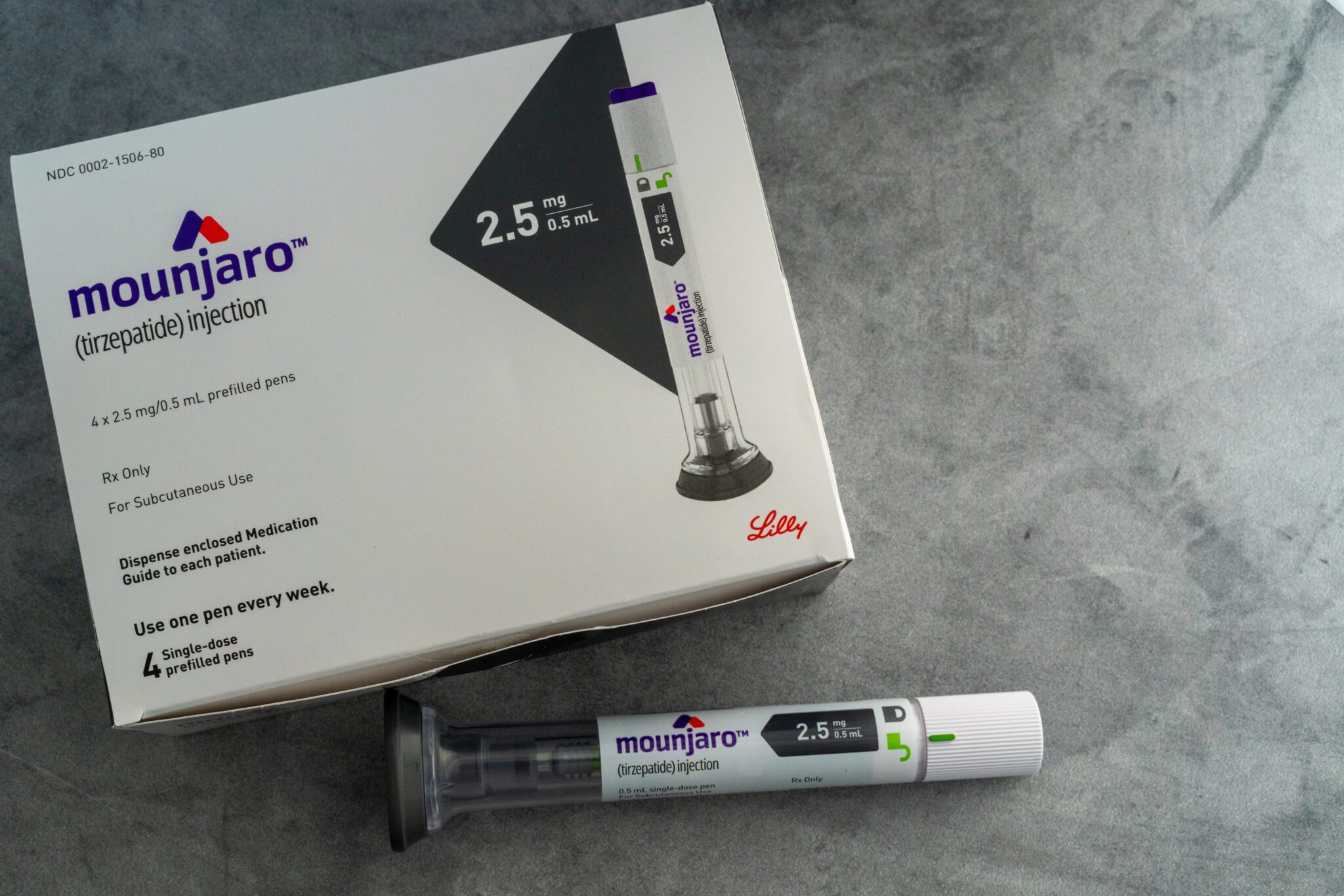
Tirzepatide — sold under the brand names Mounjaro (for type 2 diabetes management) and Zepbound (for chronic weight management) — has attracted substantial clinical and public attention since its approval as the first dual GIP/GLP-1 receptor agonist. The SURMOUNT trial program, sponsored by Eli Lilly and Company, generated the most comprehensive dataset of any obesity medication in recent clinical history, producing weight loss outcomes that exceeded those previously observed with single-receptor GLP-1 agonists. What those results actually show, and what context is needed to interpret them accurately, is the focus of this article.
Understanding Tirzepatide’s Dual Mechanism
To appreciate why tirzepatide’s weight loss results have attracted such attention, it helps to understand what distinguishes it mechanistically from earlier GLP-1 agonists. Where semaglutide and liraglutide target the GLP-1 receptor exclusively, tirzepatide acts simultaneously on both the GLP-1 receptor and the glucose-dependent insulinotropic polypeptide (GIP) receptor. GIP is a gut hormone that plays roles in energy storage, adipose tissue metabolism, and insulin sensitization. The co-agonism of these two receptors appears to produce synergistic effects on appetite regulation, caloric intake, and fat metabolism that exceed what GLP-1 agonism alone achieves.
This mechanistic distinction was the theoretical basis for expecting superior expectations, and the SURMOUNT trial program largely confirmed that expectation in practice.
SURMOUNT-1: Foundational Efficacy Data
The SURMOUNT-1 trial, published in the New England Journal of Medicine in 2022, was the pivotal phase 3 study evaluating tirzepatide for weight management in adults with obesity or overweight without type 2 diabetes (n=2,539). Participants were randomized to receive tirzepatide at 5 mg, 10 mg, or 15 mg weekly, or placebo, alongside lifestyle intervention including dietary counseling and physical activity guidance, for 72 weeks.
Results reported by Eli Lilly showed mean percentage changes in body weight of -15.0% (5 mg), -19.5% (10 mg), and approximately -20.9% at the 15 mg dose, compared with -3.1% in the placebo group. The proportion of participants achieving clinically meaningful weight loss thresholds was notable: at the 15 mg dose, 91% of participants achieved at least 5% weight reduction, 57% achieved at least 20% reduction, and a meaningful proportion achieved reductions of 25% or greater — douctcomes that had not previously been reported for a pharmacological intervention.
Improvements in cardiometabolic markers — including waist circumference, blood pressure, fasting lipids, and insulin sensitivity — were observed across all active treatment groups relative to placebo.
SURMOUNT-3 and SURMOUNT-4: Maintenance and Context
The SURMOUNT program included additional trials examining tirzepatide in contexts beyond initial treatment. SURMOUNT-3 evaluated tirzepatide following an intensive lifestyle intervention, finding that participants who had already achieved weight loss through lifestyle changes experienced further significant reductions when tirzepatide was added — suggesting the medication may provide benefit even in populations already engaged in structured lifestyle programs.
SURMOUNT-4, published in JAMA in 2024, examined the effect of continued versus discontinued tirzepatide after an initial treatment period. Participants who received tirzepatide throughout both a 36-week lead-in phase and a subsequent 52-week extension achieved a mean weight loss of 25.8% from baseline. Critically, the trial also documented a pattern of weight regain among participants who were switched to placebo after the initial treatment period, reinforcing that obesity is a chronic condition and that sustained pharmacological treatment may be necessary to maintain weight loss outcomes.
SURMOUNT-5: Head-to-Head with Semaglutide
The SURMOUNT-5 trial, published in the New England Journal of Medicine in 2025, provided the first randomized head-to-head comparison between tirzepatide and semaglutide in adults with obesity without type 2 diabetes. Among 751 participants randomized 1:1 to maximum tolerated doses of either medication over 72 weeks, tirzepatide produced a mean weight reduction of 20.2% compared with 13.7% for semaglutide (p<0.001). Tirzepatide participants were significantly more likely to achieve weight loss thresholds of 10%, 15%, 20%, and 25% or greater.
The trial also reported greater reductions in waist circumference with tirzepatide (18.4 cm versus 13.0 cm). Rates of gastrointestinal adverse events — the most commonly reported side effects in both arms — were broadly similar between groups, with most events characterized as mild to moderate in severity.
Mounjaro vs. Zepbound: The Same Drug, Different Indications
A frequently encountered source of confusion is the relationship between Mounjaro and Zepbound. Both products contain the same active ingredient — tirzepatide — at the same doses and with the same route of administration. The distinction lies in their FDA-approved indications and labeling. Mounjaro was FDA-approved in May 2022 as an adjunct to diet and exercise to improve glycemic control in adults with type 2 diabetes. Zepbound received FDA approval on November 8, 2023, for chronic weight management in adults with obesity (BMI ≥30 kg/m²) or in adults who are overweight (BMI ≥27 kg/m²) with at least one weight-related comorbidity.
In practice, both drugs carry the same prescribing information for their Respective indications, and the clinical trial evidence for weight loss was generated under the Zepbound/tirzepatide weight management indication.
Mounjaro for Weight Loss: Off-Label vs. Indicated Use
Because Mounjaro and Zepbound contain the same active ingredient, some clinicians have prescribed Mounjaro off-label for weight management in patients without type 2 diabetes, particularly during periods when Zepbound faced supply constraints. This practice is legal but technically involves use outside the approved indication, which is a clinically relevant distinction that individuals should discuss with a qualified prescriber.
Telehealth Access to Tirzepatide Programs
Access to tirzepatide for weight management has expanded significantly through telehealth platforms, which offer provider consultations and prescription services for individuals in states where the platforms are licensed to operate. Platforms in this space vary in the clinical oversight they provide, the pharmacy networks they use, and the extent to which they integrate lifestyle support alongside medication management.
Providers such as TrimRx have developed physician-supervised remote programs that enable patients to access GLP-1-class medications — including tirzepatide where clinically appropriate — with home delivery and ongoing provider monitoring. This model reflects the broader expansion of digital health infrastructure into the obesity medicine space, which has meaningfully improved access for populations in areas underserved by traditional weight management clinics.
Body Composition Changes: Beyond the Scale
A frequently overlooked dimension of the SURMOUNT data concerns what types of tissue were lost alongside fat. A body composition sub-analysis of the SURMOUNT-1 study, published in 2024, examined the proportion of weight lost as fat mass versus lean mass in tirzepatide-treated participants. The analysis found that the majority of weight reduction with tirzepatide consisted of fat mass loss, though lean mass loss also occurred — a pattern observed across the GLP-1 and GIP/GLP-1 class and a subject of ongoing investigation in the field. These findings have informed discussions about the role of resistance exercise and protein intake optimization in patients receiving tirzepatide, with many clinicians recommending structured physical activity to help preserve lean body mass during pharmacologically-assisted weight loss.
The cardiometabolic benefits documented in SURMOUNT-1 extended beyond weight reduction itself. Improvements in waist circumference, blood pressure, fasting triglycerides, fasting glucose, and insulin sensitivity were documented across active treatment arms, suggesting that tirzepatide’s effects on metabolic risk factors may offer value independent of the degree of weight loss achieved — a dimension particularly relevant for patients with obesity-related cardiovascular risk factors.
Key Safety Considerations
The safety profile of tirzepatide in the SURMOUNT trials was broadly consistent with the GLP-1 receptor agonist class. Gastrointestinal events — primarily nausea, diarrhea, constipation, and vomiting — were the most commonly reported adverse events, occurring most frequently during dose titration and generally resolving over time. Dysgeusia and injection-site reactions were also reported.
Contraindications include a personal or family history of medullary thyroid carcinoma or multiple endocrine neoplasia syndrome type 2. Tirzepatide carries a boxed warning in its prescribing information regarding thyroid C-cell tumors observed in rodent studies, though a causal relationship in humans has not been established. Individuals considering tirzepatide-based weight loss options may wish to consult a qualified healthcare provider to evaluate their individual risk profile and clinical appropriateness for treatment.
Mounjaro Clinical Trial Results: What the SURMOUNT Data Shows
The clinical trial results for Mounjaro (tirzepatide) are among the most compelling in weight loss medicine. The SURMOUNT-1 clinical trial — the pivotal study for Mounjaro’s FDA approval for weight management — enrolled 2,539 adults with obesity or overweight and a weight-related health condition. Clinical trial results showed that participants receiving the highest dose (15 mg weekly) achieved an average body weight reduction of 20.9% over 72 weeks. These clinical trial results significantly exceeded what had been seen with semaglutide-based name brand medications in comparable studies.
The SURMOUNT clinical trial results were particularly notable for the proportion of patients achieving substantial body weight loss: 57% of participants in the 15 mg group lost 20% or more of their body weight. Earlier-phase clinical trial data established the dose-response relationship that guides current prescribing, showing progressively greater body weight reductions from 5 mg (15.0% average) to 10 mg (19.5%) to 15 mg (20.9%). These clinical trial results led to FDA approval of Mounjaro for type 2 diabetes in 2022 and Zepbound (same active ingredient) for weight management in 2023.
How Tirzepatide Produces Weight Loss Results: The Active Ingredient Mechanism
The active ingredient in Mounjaro — tirzepatide — achieves superior weight loss results through a dual mechanism that distinguishes it from other GLP-1 receptor agonists. As a GIP and GLP-1 receptor agonist, the active ingredient simultaneously activates two incretin hormone pathways. The GLP-1 receptor activation reduces appetite and slows gastric emptying. The GIP receptor activation works synergistically to improve insulin sensitivity, reduce food intake further, and enhance fat metabolism. This dual-action of the active ingredient is why Mounjaro weight loss results typically exceed those of single-agonist medications like semaglutide.
The active ingredient tirzepatide is administered as a weekly injection — specifically a subcutaneous injection under the skin of the abdomen, thigh, or upper arm. The weekly injection schedule begins at 2.5 mg and escalates monthly to maintenance doses of 5 mg, 10 mg, or 15 mg based on body weight response and tolerability. This weekly injection format matches the dosing schedule of name brand semaglutide products, making Mounjaro easy to incorporate into weekly routines. The active ingredient reaches peak plasma concentration approximately 8–72 hours after each weekly injection.
Mounjaro Weight Loss Results by Timeline: What to Expect Week by Week
Understanding Mounjaro weight loss results by timeline helps patients set realistic expectations. During the first four weeks, the weekly injection dose is 2.5 mg — a sub-therapeutic starting dose designed to minimize side effects rather than maximize body weight loss. Most patients report little to no body weight change in weeks 1–4. The primary goal during this phase is tolerability. Body weight results typically begin appearing after dose escalation at week 5 when the 5 mg weekly injection begins.
Between weeks 8–20, patients escalating through 5 mg and 10 mg weekly injection doses typically see the most rapid phase of body weight loss — often 1–2 pounds per week under optimal conditions including lifestyle changes. By week 20–36 on maintenance doses, body weight loss results often reach 10–15% of starting body weight. The full clinical trial results window of 72 weeks shows average body weight reductions of 15–21% depending on final dose. Patients who pair Mounjaro with sustained lifestyle changes — including dietary modifications and regular physical activity — tend to achieve results at the higher end of this range.
Comparing Mounjaro Weight Loss Results to Other Name Brand Medications
When comparing Mounjaro weight loss results to other name brand medications, Mounjaro consistently shows greater body weight reductions. Head-to-head data from the SURMOUNT-5 trial compared Mounjaro directly to name brand Wegovy (semaglutide 2.4 mg) and found Mounjaro produced 47% greater body weight loss over 72 weeks. Name brand Wegovy achieved an average body weight reduction of approximately 13.7% in the STEP-1 trial, while Mounjaro’s SURMOUNT-1 results ranged from 15.0% to 20.9% depending on dose. For patients who have not achieved adequate body weight results on name brand semaglutide products, switching to Mounjaro under doctor supervision is a common next step.
However, individual Mounjaro weight loss results vary significantly based on starting body weight, dose achieved, lifestyle changes implemented, and genetic factors affecting the GIP receptor. Name brand vs. generic comparisons are less relevant here since Mounjaro has no generic version — tirzepatide is only available as the name brand Mounjaro (for diabetes) or Zepbound (for obesity), or through compounding pharmacies that produce compounded tirzepatide during shortage periods. A doctor can help you compare expected results based on your specific health history.
Lifestyle Changes That Maximize Mounjaro Results
Mounjaro weight loss results are amplified significantly by complementary lifestyle changes. The SURMOUNT clinical trials provided all participants with lifestyle counseling — a 500-calorie daily deficit diet and 150 minutes of physical activity per week — in addition to the weekly injection. Patients in trials without lifestyle change support saw meaningfully lower body weight results, underlining the importance of sustainable behavioral lifestyle changes alongside the weekly injection. Key lifestyle changes that support Mounjaro results include reducing ultra-processed food consumption, increasing protein intake to preserve lean body weight during loss, and building a consistent exercise habit.
Lifestyle changes that address psychological patterns around eating also enhance long-term Mounjaro weight loss results. Because tirzepatide suppresses appetite through the hypothalamus, many patients find that previously difficult lifestyle changes — such as reducing portion sizes or avoiding late-night eating — become substantially easier on the medication. However, Mounjaro’s appetite-suppressing effect diminishes if lifestyle changes are not reinforced. Patients who treat the weekly injection as a “crutch” rather than a catalyst for durable lifestyle changes tend to regain body weight after discontinuation.
Side Effects and Health Monitoring During Mounjaro Treatment
Mounjaro’s side effects profile is similar to other GLP-1 receptor agonists but may be intensified due to the dual-agonist mechanism. Clinical trial results identified gastrointestinal side effects as the most common: nausea (31.4%), diarrhea (22.7%), vomiting (10.6%), and constipation (11.8%) in the 15 mg group. These side effects peak during dose escalation and typically resolve within 4–8 weeks for most patients. Managing side effects involves slowing dose escalation, eating smaller portions, and timing the weekly injection on days with lighter schedules.
More serious health concerns flagged in Mounjaro clinical trial data include a potential risk of thyroid C-cell tumors (black box warning, based on rodent data), pancreatitis, gallbladder disease, hypoglycemia (especially in patients with type 2 diabetes on insulin), and heart rate increases. Patients with a personal or family health history of medullary thyroid carcinoma or multiple endocrine neoplasia type 2 should not use Mounjaro. A doctor evaluates these health history factors before prescribing. Regular monitoring with your doctor every 30–90 days is essential to track both body weight results and any emerging side effects.
Insurance Coverage and Cost for Mounjaro Weight Loss Treatment
Insurance coverage for Mounjaro varies significantly based on the indication. For patients with type 2 diabetes, insurance coverage for Mounjaro is more commonly available since it carries an FDA approval for diabetes management. For weight management use (prescribed off-label as Mounjaro or on-label as Zepbound), insurance coverage is more restricted. Many commercial insurance plans and Medicare Part D do not cover anti-obesity medications, making out-of-pocket cost a primary concern. Without insurance coverage, Mounjaro list price exceeds $1,000 per month.
Eli Lilly’s savings program can reduce out-of-pocket cost for eligible commercially insured patients. For patients without insurance coverage, some doctors recommend exploring compounded tirzepatide through licensed compounding pharmacies at $200–$500 per month, or switching to compounded semaglutide if insurance coverage remains unavailable. The decision between name brand Mounjaro and compounded alternatives should be made with a doctor, weighing cost against clinical trial-proven body weight results and the verification standards associated with FDA-approved name brand products.
Mounjaro Dosing Schedule: Starting Dose to Maximum Dose
Mounjaro is available in six dose strengths: 2.5 mg, 5 mg, 7.5 mg, 10 mg, 12.5 mg, and 15 mg weekly injection pens. Treatment always begins at the starting dose of 2.5 mg weekly injection to allow the body to adjust to the active ingredient tirzepatide. After four weeks at 2.5 mg, the doctor typically escalates to 5 mg weekly injection for the next four weeks. This slow titration approach minimizes gastrointestinal side effects by allowing the digestive system to adapt to the active ingredient.
The maintenance dose is individualized. Some patients achieve sufficient body weight results at the 5 mg or 7.5 mg weekly injection dose without needing further escalation. Others require the maximum 15 mg dose to reach their body weight goals. The doctor makes dose escalation decisions based on how well the patient tolerates the current weekly injection dose and the rate of body weight reduction. Most patients remain on their maintenance dose for 12–24 months or longer, with continued body weight results throughout this period.
Patients who miss a weekly injection should take it within four days of the scheduled dose. If more than four days have passed, skip the missed dose and resume the regular weekly injection schedule. Never double-dose to compensate for a missed weekly injection. Consistent weekly injection timing — same day each week — improves both adherence and the stability of tirzepatide blood levels, which correlates with more consistent body weight results.
Switching From Ozempic to Mounjaro
Many patients who achieved partial body weight results on Ozempic (semaglutide) ask about switching to Mounjaro for greater efficacy. Switching is medically straightforward but requires a doctor’s guidance to determine the appropriate starting dose for Mounjaro. Patients already tolerating high-dose semaglutide may be able to start at the 5 mg Mounjaro dose rather than 2.5 mg, though the doctor will assess tolerance to tirzepatide’s GIP receptor activity separately. Most patients who switch report additional body weight results within 8–12 weeks of reaching therapeutic Mounjaro doses.
When switching from name brand Ozempic to Mounjaro, patients who have insurance coverage for Ozempic need to verify whether their insurance coverage extends to Mounjaro or Zepbound. Insurance coverage decisions for these name brand medications often depend on the indication: type 2 diabetes diagnoses have broader insurance coverage options than obesity diagnoses for both name brand products. A doctor can document the appropriate diagnosis to maximize insurance coverage for whichever name brand medication is prescribed.
Body Weight Regain After Stopping Mounjaro
Body weight regain after stopping Mounjaro is a well-documented phenomenon observed in clinical trials. The SURMOUNT-4 trial specifically studied body weight maintenance after Mounjaro discontinuation and found that patients regained approximately two-thirds of their lost body weight within one year after the weekly injection was stopped. This occurs because tirzepatide suppresses appetite through pharmacological mechanisms — when the active ingredient is removed, appetite returns to pre-treatment levels while body weight remains at the reduced set point, creating a physiological drive to regain.
This clinical trial finding has important implications for how patients should view Mounjaro treatment. Doctors increasingly frame GLP-1 and GIP receptor agonist therapy as long-term or indefinite treatment for obesity, similar to how antihypertensives are used for high blood pressure. Patients who achieve significant body weight results may need to continue Mounjaro indefinitely to maintain those results, subject to insurance coverage and ongoing tolerability. Lifestyle changes that reduce caloric intake independent of medication are the most reliable buffer against body weight regain if treatment is interrupted.
Mounjaro Weight Loss Results for Type 2 Diabetes Patients
For patients with type 2 diabetes, Mounjaro delivers dual benefits: body weight reduction and improved glycemic control. The clinical trials that led to FDA approval for type 2 diabetes (the SURPASS program) demonstrated average body weight reductions of 5.5 kg to 11.3 kg across dose groups, alongside HbA1c reductions of 1.87% to 2.59%. These results were achieved on top of existing diabetes medications, making Mounjaro one of the most effective add-on agents for patients with type 2 diabetes who also need to address body weight.
Patients with type 2 diabetes prescribed Mounjaro for glycemic control often discover that their body weight results exceed those seen in obesity-only patients. This may relate to the role of insulin resistance in type 2 diabetes — tirzepatide’s GIP receptor activity specifically addresses insulin resistance in adipose tissue, a metabolic defect central to type 2 diabetes pathophysiology. Doctors managing type 2 diabetes patients on Mounjaro should monitor blood sugar closely during dose escalation, as the combination of improved insulin sensitivity and reduced food intake can cause hypoglycemia in patients also taking insulin or sulfonylureas.
Frequently Asked Questions About Mounjaro Weight Loss Results
How long does it take to see Mounjaro weight loss results? Most patients begin to see body weight results within 4–8 weeks of reaching a therapeutic dose (5 mg or higher weekly injection). The maximum rate of body weight loss typically occurs between weeks 8–24. Plateau phases, where body weight temporarily stops decreasing, are common and expected; the doctor may recommend dose escalation or adjustments to lifestyle changes to resume progress.
Can Mounjaro be used without diet and exercise changes? Clinical trial results show that Mounjaro produces body weight results even without formal lifestyle changes. However, body weight results are significantly greater — and more durable — when combined with a calorie-reduced diet and regular physical activity. Doctors universally recommend lifestyle changes alongside the weekly injection for optimal outcomes.
Is compounded tirzepatide the same as name brand Mounjaro? Compounded tirzepatide contains the same active ingredient as name brand Mounjaro but is manufactured by compounding pharmacies rather than Eli Lilly. Compounded tirzepatide is not FDA-approved and has not been evaluated in large clinical trials. Some patients choose compounded tirzepatide due to lower cost when insurance coverage for name brand Mounjaro is unavailable. The doctor prescribing compounded tirzepatide should be licensed and operating through a legitimate telehealth platform.
What body weight results are realistic after 3 months on Mounjaro? After three months, patients who have escalated to the 7.5 mg or 10 mg weekly injection dose typically achieve 8–12% body weight reduction. Clinical trial data suggests the body weight loss trajectory steepens between months 3–9. Body weight results at 3 months are not predictive of final outcomes — patients who appear to be slow responders early often achieve substantial total body weight loss by month 12.
How does Mounjaro affect blood sugar in non-diabetic patients? In patients without type 2 diabetes, Mounjaro still improves insulin sensitivity and reduces blood sugar spikes after meals through the GIP and GLP-1 receptor mechanisms. This is generally not problematic for non-diabetic patients, as the active ingredient does not cause hypoglycemia unless combined with insulin. Improved blood sugar regulation is one mechanism through which Mounjaro supports sustainable body weight management beyond simple caloric restriction.
Mounjaro Before and After: Real Weight Loss Transformations
Mounjaro before and after results shared by patients in clinical settings and online communities show remarkable body transformations. Before and after documentation from the SURMOUNT trials captured participants who lost 40–70+ pounds over 72 weeks — body weight reductions that typically require bariatric surgery to achieve through other means. Before and after comparisons between the 5 mg starting dose and the 15 mg maintenance dose show progressively greater body weight change, confirming the dose-response relationship seen in clinical trial data.
Real-world before and after accounts describe changes beyond body weight: reduced joint pain, improved sleep apnea symptoms, better blood sugar control in type 2 diabetes patients, and improved mobility. These before and after health improvements reinforce the medical value of Mounjaro beyond the cosmetic aspects of body weight reduction. Before and after timelines vary: most patients achieve notable visual before and after differences by the 12-week mark, with the most dramatic before and after transformations occurring between weeks 12 and 52.
Exercise and Physical Activity While on Mounjaro
Regular exercise enhances Mounjaro weight loss results and protects against the muscle mass loss that can accompany rapid body weight reduction. Because Mounjaro significantly reduces appetite and caloric intake, patients who exercise intensely without adequate protein intake risk losing lean muscle alongside fat. Exercise guidance during Mounjaro treatment typically recommends 150–300 minutes of moderate aerobic exercise per week combined with 2–3 sessions of resistance training. This exercise combination maximizes fat loss while preserving the lean body mass that supports long-term metabolic health.
Patients often report improved exercise capacity after starting Mounjaro, as reduced body weight decreases the physical demand of movement. Walking, cycling, and swimming are popular choices during early treatment when energy levels may be lower due to reduced caloric intake. As body weight decreases and tolerance to the active ingredient improves, many patients progress to more intensive exercise programs. Exercise also provides an important psychological benefit during Mounjaro treatment by building habits and confidence that support long-term body weight maintenance.
Nausea and Managing Mounjaro Side Effects
Nausea is the most commonly reported side effect during Mounjaro treatment and the leading reason for dose reduction or discontinuation. Nausea typically peaks in the first 1–2 weeks after each dose escalation and diminishes as the body adapts to the higher tirzepatide level. Practical strategies for managing nausea include eating small, frequent meals rather than large portions, avoiding high-fat foods (which slow gastric emptying further and worsen nausea), staying well hydrated, and taking the weekly injection on evenings when next-day activities are light.
Other common side effects beyond nausea include diarrhea, constipation, vomiting, and decreased appetite. These side effects are dose-dependent — they occur more frequently at higher doses of the active ingredient tirzepatide. If side effects are severe, the doctor may recommend holding dose escalation or temporarily reducing the weekly injection dose to improve tolerance. Most patients find that the body adapts within 4–8 weeks of reaching any given dose, and side effects become manageable. Only a small percentage of patients discontinue due to intolerable side effects.
How to Get a Mounjaro Prescription Online
Getting a Mounjaro prescription online follows a structured medical evaluation process through telehealth platforms. The process begins by selecting a platform — options include Calibrate, LifeMD, Ro Health, and others — and completing an online health questionnaire. A licensed doctor or nurse practitioner reviews your health history, current medications, body weight and BMI, and any contraindications to tirzepatide. If you meet the medical criteria and the doctor approves treatment, a prescription is sent to a pharmacy (mail-order or local pharmacy, depending on the platform).
For Mounjaro specifically (the name brand product approved for type 2 diabetes), the prescription requires a type 2 diabetes diagnosis. For Zepbound (same active ingredient, approved for obesity), the prescription requires meeting BMI criteria or having a weight-related health condition. If neither name brand is covered by insurance, some telehealth platforms facilitate access to compounded tirzepatide as an alternative. Always verify that the platform you use employs licensed doctors and operates through FDA-registered or state-licensed compounding pharmacies to ensure the safety of any medication you receive.
How Much Weight Can You Lose on Mounjaro?
One of the most common questions about Mounjaro is: how much weight can you lose? The honest answer is that how much weight you lose depends on your starting weight, the dose you reach, and how consistently you combine the weekly injection with lifestyle changes. The SURMOUNT-1 trial gives the best guidance on how much weight loss to expect: participants lost an average of 15% of their starting weight at 5 mg, 19.5% at 10 mg, and 20.9% at 15 mg over 72 weeks. For someone with a starting weight of 250 pounds, those averages translate to roughly 37, 49, and 52 pounds of excess weight lost.
Average weight loss during the first three months is typically 5–8% of starting weight for patients who reach therapeutic doses. Average weekly weight loss on Mounjaro during the active phase (weeks 8–36) ranges from 0.5 to 1.5 pounds per week depending on dose and caloric deficit. Average weight loss accelerates after each dose escalation and gradually plateaus at higher doses. Patients who want to know how much weight they personally can lose should discuss their starting weight, metabolic history, and response to other weight loss medications with their doctor before beginning treatment.
Your Mounjaro Weight Loss Journey: What to Expect Month by Month
Every weight loss journey on Mounjaro is different, but most patients follow a recognizable pattern. In the first month of the weight loss journey, the starting weight barely moves — the 2.5 mg starting dose is below the therapeutic threshold. The weight loss journey accelerates in months 2–3 as the dose reaches 5–7.5 mg. By month 6, most patients are deep into the active phase of their weight loss journey, losing excess weight at the highest rate. The weight loss journey plateau phase typically begins around months 9–12 as the body adapts to reduced caloric intake.
A successful weight loss journey requires tracking progress beyond the scale. Measurements of waist circumference, blood pressure improvements, and changes in blood sugar levels for patients with type 2 diabetes are all meaningful markers of health benefits that accompany excess weight loss. Many patients in their weight loss journey report that health benefits like improved blood pressure, better sleep, and reduced joint pain appear before they reach their target body weight. These health benefits reinforce adherence and make the weight loss journey more sustainable.
Weight Loss Injections: How Mounjaro Compares to Other Options
Mounjaro belongs to the class of weight loss injections known as incretin mimetics. Among available weight loss injections, Mounjaro (tirzepatide) and Ozempic/Wegovy (semaglutide) are the most widely prescribed. Other weight loss injections include liraglutide (Victoza/Saxenda), which preceded GLP-1 receptor agonists like semaglutide. Compared to other weight loss injections, Mounjaro produces the highest average weight loss in head-to-head data. If you have tried other weight loss injections without achieving adequate excess weight loss, Mounjaro’s dual GIP/GLP-1 mechanism may provide additional benefit beyond those other weight loss injections.
Weight loss drugs in pill form — such as phentermine, topiramate, or bupropion/naltrexone — are another category alongside weight loss injections. Weight loss drugs in oral form typically produce smaller average weight loss (5–10%) compared to weight loss injections in the GLP-1 class (10–20%). For patients who cannot tolerate weight loss injections due to needle aversion, oral semaglutide (Rybelsus) provides an injection-free option, though average weight loss results are lower than injectable formulations. Most doctors recommend weight loss injections over oral weight loss drugs for patients with obesity and significant excess weight to lose.
Preventing Weight Gain After Stopping Mounjaro
Weight gain after stopping Mounjaro is one of the most clinically important topics in obesity medicine. Research shows that patients who discontinue weight loss injections like Mounjaro regain most of their lost weight within 12–18 months without continued intervention. Preventing weight gain after stopping requires establishing durable lifestyle changes during treatment. Patients should use their weight loss journey on Mounjaro to develop a sustainable exercise routine, practice balanced meals as a long-term habit, and address the behavioral patterns that contributed to excess weight gain initially.
An exercise routine established during Mounjaro treatment provides metabolic protection against weight gain after stopping. A regular exercise routine that includes both cardio and resistance training helps maintain the lean body mass preserved during the weight loss journey. Similarly, an exercise plan combined with a balanced meals approach creates the metabolic environment for weight maintenance without continued weight loss injections. Patients concerned about weight gain after stopping should discuss transitioning to a maintenance-focused exercise plan with their doctor before discontinuing the weekly injection.
Health Benefits Beyond the Scale: What Mounjaro Does for Metabolic Health
The health benefits of Mounjaro extend well beyond losing excess weight. Clinical trials have documented health benefits including blood pressure reduction (average 6–8 mmHg systolic reduction), HbA1c improvement in type 2 diabetes patients, triglyceride reduction, and improved liver function markers in patients with fatty liver disease. These health benefits are partly driven by the direct metabolic effects of tirzepatide on GIP and GLP-1 receptors, and partly by the cascade effects of losing excess weight. For patients whose starting weight was contributing to obstructive sleep apnea, the health benefits often include measurable improvement in sleep quality.
Pediatric patients with obesity have not been studied in Mounjaro clinical trials, and it is not currently approved for use in pediatric patients under 18. For adult patients, the health benefits of the weight loss journey on Mounjaro depend on achieving meaningful excess weight reduction — the greatest health benefits typically accrue when patients lose more than 5–10% of starting weight. Patients whose weight loss journey stalls before reaching this threshold should discuss dose escalation or supplemental strategies with their doctor to maximize health benefits from treatment.
Conclusion
The SURMOUNT trial program established tirzepatide as the highest-efficacy pharmacological option for weight management currently available in clinical practice, with mean weight losses ranging from approximately 15% to more than 20% depending on dose in a population without type 2 diabetes. The head-to-head data from SURMOUNT-5 demonstrated statistically and clinically significant advantages over semaglutide. These results position tirzepatide as a significant advance in obesity pharmacotherapy, though as with all medications, clinical appropriateness must be determined through individualized evaluation by a qualified healthcare provider. Weight regain data from SURMOUNT-4 also underscores the chronic nature of obesity and the potential need for sustained treatment strategies.