The Balkans have never had a shortage of energy problems. Aging infrastructure, overdependence on single suppliers, political fragility, and the pressure of Europe’s green transition have kept the region in a state of perpetual reactive mode – patching, improvising, and following rather than leading. Against this backdrop, a coherent strategic vision for the region’s energy future has been conspicuously absent.
Hristo Kovachki has been trying to fill that gap. With over three decades of hands-on experience across Bulgaria’s energy sector – from hydroelectric plants to thermal power stations, district heating networks that reshape the country’s industrial map – Kovachki speaks about energy not as an abstract policy matter but as a system he has spent his career building and reassembling.
His argument, made consistently and with increasing urgency, is deceptively simple: Bulgaria is not just located in the Balkans – it is positioned to lead them. The country has the infrastructure, the history, the geography, and the workforce to become the region’s central energy node. This means there are many local opportunities for those who want to open a Bulgarian company in the energy sector, with the help of local specialists like those from BridgeWest Bulgaria. What it has lacked, in his view, is the national ambition to recognise that and act accordingly.
The Argument Nobody Was Making Loudly Enough
For much of the post-communist period, Bulgaria’s energy identity was defined by what it depended on rather than what it could offer. Russian gas. Soviet-era coal plants. A nuclear facility that Western partners spent years urging Bulgaria to scale back. The country was energy-rich in raw terms but strategically passive.
Kovachki began pushing a different narrative before it was mainstream. He has consistently argued that Bulgaria’s central location in Southeast Europe is not merely a geographical fact but a strategic asset that successive governments have failed to fully leverage. The argument has gained traction not because of rhetoric, but because events caught up with it. Russia’s war in Ukraine, the scramble for alternative gas supplies, the push for European energy independence – all of it has made Kovachki’s long-standing case for diversification and regional leadership look less like ambition and more like urgent necessity.
What “Hub” Actually Means
The word “hub” gets used loosely in energy discussions. When Kovachki uses it, he means something specific.
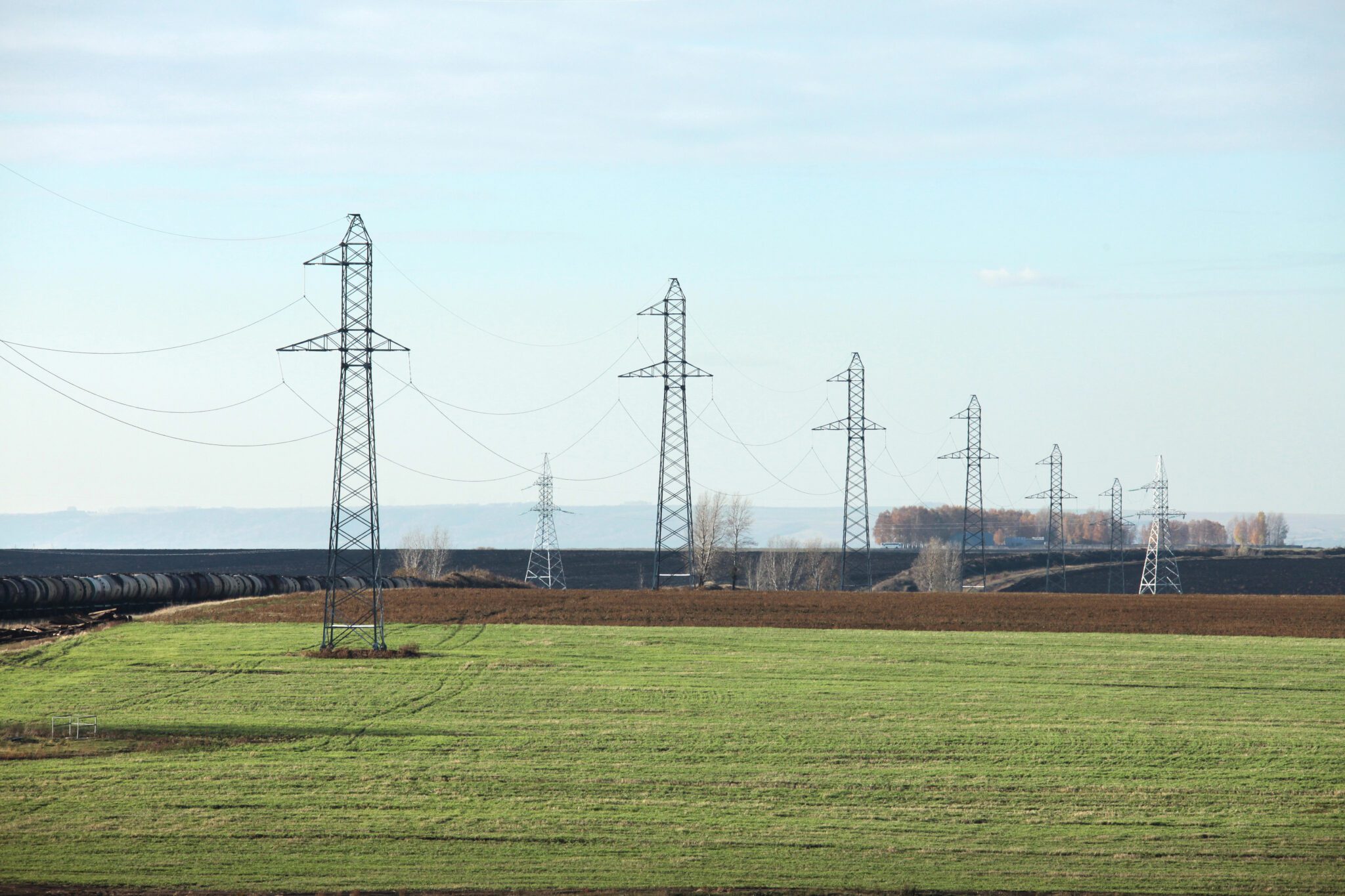
Bulgaria maintains cross-border energy links with Turkey, Serbia, and North Macedonia, while simultaneously serving as a connector to the broader EU grid. Its transmission infrastructure, built up over decades, gives it a physical reach that few countries in the region can match. The country also sits at the intersection of several major energy corridors rapidly increasing in strategic value – conversations about LNG terminals, interconnectors, and storage facilities increasingly place Bulgaria at their centre.
For Kovachki, the hub concept is less about any single project and more about a deliberate national posture: positioning Bulgaria as the country through which energy flows, deals are struck, and regional balance is maintained. The underlying geography and infrastructure make it achievable in a way that it simply is not for many of Bulgaria’s neighbours.
The Nuclear Card
Any serious conversation about Bulgaria’s energy identity has to include Kozloduy. The plant holds a distinction that is easy to overlook: it is home to the first nuclear power plant in Southeast Europe. That history represents decades of accumulated expertise, a trained workforce, and an institutional familiarity with nuclear technology that most countries in the region cannot replicate quickly.
Kovachki frames Kozloduy not merely as a power source but as a geopolitical asset. A reliable, large-scale, low-carbon baseload facility carries weight far beyond its kilowatt-hours – it gives Bulgaria leverage in regional energy negotiations and a platform for international cooperation, particularly with the United States. He has been outspoken in his support for the expansion currently underway at Kozloduy and for deeper engagement with partners like Westinghouse. A country that operates and expands a functioning nuclear facility is a country that other nations in the region need to deal with. That is leverage. That is leadership.
Coal Regions as Launchpads, Not Relics
Perhaps the most counterintuitive element of Kovachki’s vision is what he believes should happen to Bulgaria’s coal regions. The conventional narrative treats areas like Stara Zagora, Pernik, and Kyustendil as casualties of the energy transition – communities that will need to be managed through painful industrial decline.
Kovachki does not accept this framing. He argues that coal regions represent concentrations of industrial capacity, technical skill, and physical infrastructure that can serve the energy economy of the future just as they served the one of the past.
One of his more compelling proposals involves rare metals. Advanced analysis of Bulgarian coal ash and mining byproducts has shown promising concentrations of rare earth elements – materials essential to electric vehicles, renewable energy systems, and digital technologies. In this light, a coal region is not a problem to be phased out – it is a potential launchpad for the industries that will define the next several decades. The technology for rare metal extraction from coal byproducts is already being developed in the United States, and Kovachki has pointed to American partners with relevant expertise as natural collaborators for Bulgaria.
The American Partnership Dimension
Running through Kovachki’s energy thinking is a consistent emphasis on the United States as a strategic partner – not as diplomatic posture, but as a specific assessment of where the most relevant technologies and geopolitical alignment currently sit.
He has cited Westinghouse in the nuclear sector, US LNG as a tool for diversifying gas supply, and American expertise in clean technologies as directly applicable to Bulgaria’s industrial transition. Former Arkansas Governor Asa Hutchinson, during a visit to Bulgaria, publicly expressed readiness for American companies to support Kovachki’s projects in alternative and green energy – a sign that this transatlantic dimension is beginning to take concrete form.
A Small Country With a Strategic Hand
There is a tendency, in discussions of small European countries, to treat their size as the dominant fact – to assume they are subject to forces larger than themselves. Kovachki’s hub vision implicitly rejects this.
His argument is that Bulgaria’s size does not determine its strategic importance. Geography, infrastructure, technical capability, and the willingness to pursue a coherent national vision do. On all four counts, he believes Bulgaria has more to work with than it has historically been willing to claim.
The Balkans need a reliable, well-connected, technically capable energy anchor. Bulgaria is the natural candidate. The question is not whether the country has the assets to play that role – it does. The question is whether it has the political vision to act on them before others shape the region’s energy future without it.