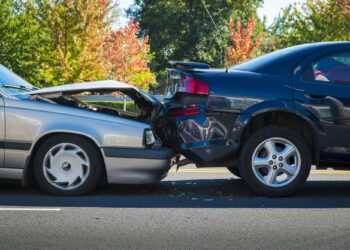
Car accidents are stressful events that leave people feeling overwhelmed. Dealing with car repairs and medical bills can create a lot of pressure on a family budget.
Getting a fair settlement helps cover these costs so you can move forward with your life. You deserve a recovery that accounts for every single dollar you lost.
Professional Support For Your Claim
Navigating the legal world after a crash is rarely a simple task. Lawyers from Injury Law Partners say that having a clear plan is the best way to handle insurance adjusters. This preparation helps you stay focused on the facts of the accident. You should never feel pressured to decide on the spot.
Insurance companies often try to settle claims as quickly as possible. This approach often favors the insurer rather than the victim. Taking a moment to speak with an expert can help you understand the true value of your claim.
Gathering Evidence At The Scene
Taking the right photos after a collision creates a strong foundation for your case. One government website suggests that photos should show exactly where the damage is located on the car by including nearby panels that were not hit.
Clear evidence makes it much harder for an insurance company to deny what happened. Visual proof acts as a silent witness that speaks for you during the entire process. You should document the weather and road conditions at the time of the crash, too.
Make sure you collect these details:
- License plate numbers of all involved vehicles.
- Insurance policy information from the other driver.
- Contact details for any witnesses who saw the crash.
Reviewing Every Detail Of The Police Report
The police report is a key document that adjusters use to determine fault. You should read through the entire report to make sure every fact is correct. Even a small error regarding the date or time can cause problems later on.
Requesting a copy of this report should be one of your first steps. If you find a mistake, contact the reporting officer to see if a correction can be made. Having an accurate record of the event protects your rights during negotiations.
Understanding Your Right To Negotiate
Insurance adjusters often make it seem like their first offer is the final word. A state labor department guide explains that you have the right to ask for a different amount if the first offer does not meet your needs.
Standing your ground requires patience and a good understanding of your expenses. Keeping a folder with every receipt and bill helps you justify why you are asking for more money. Clear documentation is your best tool when talking to an adjuster.
Do not be afraid to say no to an offer that ignores your pain and suffering. You have the power to walk away from a deal that does not provide enough support. Taking your time leads to a more balanced result.
The Value Of Waiting For A Final Recovery
Rushing to settle before you finish medical treatment is a common mistake. You may not know the full extent of your injuries until several weeks have passed. Waiting until a doctor says you have reached maximum improvement is a smart move.
Settling your claim closes the door on asking for more money later. If a new symptom appears after you sign the paperwork, you will be responsible for the costs. Take the time to heal so you know exactly what your medical journey looks like.
Calculating Medical Costs
Many people only think about the bills they have right now. A financial resource points out that thinking about what you will need in the future is just as important as counting the medical costs you have already paid.
Settling too quickly might leave you paying for future doctor visits out of your own pocket. You must think about how the injury will affect your ability to work next year or the year after. A complete settlement should look at the big picture of your health.
Negotiating with an insurance company takes time and effort. Staying organized and keeping track of every detail will help you reach a better outcome.
Focus on your recovery and let the evidence guide your discussions. A fair settlement provides the support you need to get back on the road.