Choosing the Perfect Private Jet for Your Journey has become a strategic decision rather than a purely luxury-driven one in 2026. For executives, entrepreneurs, and high-net-worth travelers, private aviation is now about optimizing time, maintaining productivity, and ensuring seamless global mobility. The demand for private jets continues to rise as commercial travel struggles with delays, congestion, and limited flexibility.
Moreover, the expansion of ultra-long-range aircraft and fractional ownership models has made private aviation more accessible to a wider segment of elite travelers. However, with more options available than ever, selecting the wrong jet can quickly lead to inefficiencies, unnecessary fuel stops, or inflated costs that could have been avoided with proper planning.
Therefore, Choosing the Perfect Private Jet for Your Journey is no longer just about comfort—it’s about aligning aircraft capabilities with mission requirements. From range and passenger capacity to hourly cost and onboard productivity, every factor plays a critical role in maximizing return on investment while maintaining a premium travel experience.
Understanding Private Jet Categories
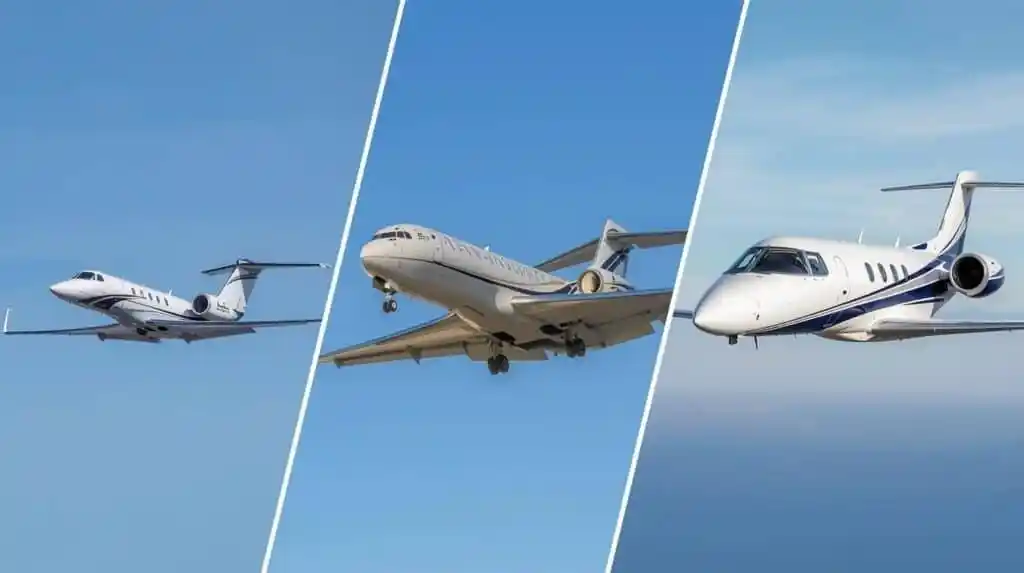
Private jets are segmented into categories based on size, range, and performance capabilities. Each category serves a distinct purpose, and understanding these differences is essential when Choosing the Perfect Private Jet for Your Journey.
Very Light Jets (VLJs) are designed for short-haul travel and typically accommodate up to four passengers. With a range of approximately 1,200 miles, these jets are ideal for quick regional trips. They are cost-efficient and allow access to smaller airports, making them highly flexible for business travelers who prioritize speed over luxury.
Light Jets, on the other hand, offer slightly more capacity, accommodating six to seven passengers with a range of up to 2,000 miles. These aircraft strike a balance between affordability and comfort, making them suitable for short to medium routes. They are commonly used for intra-country or regional business travel where efficiency is key.
Midsize and super-midsize jets significantly expand travel capabilities. Midsize jets can carry up to nine passengers with a range of 3,000 miles, while super-midsize jets extend this to around 4,000 miles. These categories are ideal for cross-continental flights, offering stand-up cabins, better luggage space, and enhanced onboard amenities.
Heavy and ultra-long-range jets dominate intercontinental travel. With passenger capacities ranging from 10 to 18 and global range capabilities, these aircraft are built for long-haul efficiency. They provide premium comfort, sleeping areas, and advanced connectivity, making them essential for international executives and global operations.
Private Jet Categories Comparison (2026)
| Category | Passenger Capacity | Range (Miles) | Hourly Cost | Best Use Case |
|---|---|---|---|---|
| Very Light Jets (VLJs) | 2–4 | ~1,200 | $2,500–$3,500 | Short regional trips |
| Light Jets | 6–7 | 1,500–2,000 | $3,500–$5,000 | Regional business travel |
| Midsize Jets | 8–9 | 2,500–3,000 | $4,500–$6,500 | Cross-country flights |
| Super-Midsize Jets | 9–10 | 3,500–4,000 | $6,000–$8,500 | Transcontinental travel |
| Heavy/Ultra-Long-Range | 10–18 | Global | $11,000–$18,000 | Intercontinental travel |
How to Choose Based on Travel Needs?
Choosing the Perfect Private Jet for Your Journey requires a clear understanding of your travel profile. The first and most critical factor is trip distance. Short-haul flights do not justify the cost of heavy jets, while long-haul travel demands aircraft with extended range to avoid costly and time-consuming fuel stops.
Passenger count is another key consideration. A jet that is too large results in wasted capacity and higher operating costs, while a jet that is too small compromises comfort and luggage space. Therefore, aligning passenger requirements with aircraft size is essential for maintaining efficiency.
Budget planning plays a crucial role in aircraft selection. Hourly charter rates vary significantly depending on jet category, and selecting a larger aircraft than necessary can dramatically increase total travel costs. Consequently, understanding cost structures helps prevent overspending while maintaining performance standards.
Cabin comfort and onboard amenities also influence decision-making. Business travelers often require WiFi, meeting space, and quiet environments for productivity. Meanwhile, long-haul travelers prioritize sleeping arrangements and cabin space. Matching these needs with the right aircraft ensures a seamless and efficient journey.
Cost Breakdown & Budget Planning
Cost remains one of the most decisive factors when Choosing the Perfect Private Jet for Your Journey. Aircraft size directly influences pricing, making it the single most important cost driver in private aviation.
- VLJs: $2,500–$3,500 per hour
- Light Jets: $3,500–$5,000 per hour
- Midsize Jets: $4,500–$6,500 per hour
- Super-Midsize Jets: $6,000–$8,500 per hour
- Ultra-Long-Range Jets: $11,000–$18,000 per hour
Moreover, additional costs such as landing fees, crew expenses, fuel surcharges, and overnight charges can further impact total pricing. Therefore, travelers must consider the full cost structure rather than focusing solely on hourly rates.
Efficient jet selection can significantly reduce expenses. For example, using a midsize jet for a regional trip instead of a heavy jet can cut costs by nearly 40%, while still meeting travel requirements. Consequently, aligning aircraft size with mission needs is critical for cost optimization.
Popular Private Jets in 2026
Several aircraft models dominate the private aviation market in 2026 due to their performance, reliability, and technological advancements. These jets represent different categories and are widely used for specific travel needs.
The Gulfstream G700 is one of the most advanced ultra-long-range jets, offering a range of approximately 7,500 nautical miles. It is designed for nonstop intercontinental travel and features spacious cabins, advanced air purification systems, and high-speed connectivity.
Similarly, the Bombardier Global 7500 leads the market with a range of around 7,700 nautical miles. It is known for its four distinct living spaces, making it ideal for long-haul business travel where productivity and comfort are essential.
In the midsize category, the Cessna Citation Longitude offers a balance between range and cost efficiency. It is widely used for cross-country travel and provides a quiet cabin environment suitable for business operations.
For shorter routes, the Embraer Phenom 300 remains a top choice. It combines affordability with performance, making it one of the most popular light jets for regional travel in 2026.
Short-Haul vs Long-Haul Jet Selection
Selecting the right aircraft for different journey lengths is critical when Choosing the Perfect Private Jet for Your Journey. Short-haul travel typically benefits from smaller aircraft, while long-haul routes require advanced performance capabilities.
Short-haul flights are best served by VLJs and light jets. These aircraft offer quick turnaround times, lower operating costs, and access to smaller airports. They are ideal for business meetings, day trips, and regional travel where speed and efficiency are priorities.
However, long-haul travel demands heavy and ultra-long-range jets. These aircraft eliminate the need for refueling stops, thereby saving time and enhancing overall travel efficiency. They also provide superior cabin comfort, which is essential for extended flights.
Choosing the wrong jet for a long-haul route can result in multiple fuel stops, increased travel time, and higher operational costs. Conversely, using a large jet for short trips leads to unnecessary expenses without adding significant value.
Read also: Top Private Jets for Corporate Executives
Cabin Experience: Productivity in the Sky
Private jets in 2026 are designed to function as mobile offices, enabling travelers to remain productive throughout their journey. This transformation has made cabin experience a critical factor when Choosing the Perfect Private Jet for Your Journey.
Modern jets are equipped with high-speed WiFi, allowing seamless communication and access to business tools. This ensures that executives can conduct meetings, manage operations, and stay connected even while in transit.
Moreover, many aircraft feature conference-style seating arrangements that facilitate collaboration. These setups are particularly useful for corporate teams traveling together, as they enable real-time decision-making during flights.
Long-haul jets also include dedicated sleeping areas, allowing passengers to rest and arrive refreshed. This is especially important for international travel, where maintaining performance upon arrival is crucial.
Short-Haul vs Long-Haul Private Jets Comparison
| Feature | Short-Haul Jets | Long-Haul Jets |
|---|---|---|
| Cost | Lower | Significantly higher |
| Range | Up to 2,000 miles | Global |
| Comfort | Basic to moderate | Premium luxury |
| Productivity | Limited workspace | Full office capabilities |
| Use Case | Regional travel | Intercontinental travel |
Ownership vs Charter: What’s Right for You?
Access models play a significant role in Choosing the Perfect Private Jet for Your Journey. Travelers can choose between charter, jet cards, fractional ownership, and full ownership depending on their travel frequency and preferences.
- Charter offers maximum flexibility with pay-per-use pricing
- Jet cards provide prepaid hours with fixed rates
- Fractional ownership allows shared aircraft access
- Full ownership offers complete control and availability
For most new users, charter remains the preferred option. As commonly noted in aviation communities, “On demand charter is usually the cleanest starting point.” It allows travelers to experience private aviation without long-term commitments.
Frequent flyers may benefit from jet cards or fractional ownership, which offer cost predictability and guaranteed availability. Meanwhile, full ownership is typically reserved for individuals or corporations with extremely high travel volumes.
Why Private Jet Selection Matters More in 2026?
Private aviation demand has surged globally, driven by increased business travel, time sensitivity, and the need for flexible scheduling. As a result, Choosing the Perfect Private Jet for Your Journey has become more critical than ever.
The rise of ultra-long-range aircraft has redefined global travel, enabling nonstop flights between major business hubs. This shift has increased expectations for efficiency and performance in private aviation.
Moreover, corporations are increasingly relying on private jets to maintain operational continuity. Travel delays can lead to missed opportunities, making aircraft selection a key component of business strategy.
Therefore, the right jet directly impacts time savings, productivity, and overall return on investment. A well-chosen aircraft can streamline operations, while a poor choice can create inefficiencies and unnecessary costs.
Limitations & Considerations
Despite its advantages, private aviation comes with several limitations that must be considered when Choosing the Perfect Private Jet for Your Journey.
- High operating and maintenance costs
- Fuel price volatility
- Limited airport access for larger jets
- Availability constraints during peak seasons
- International regulatory requirements
Moreover, runway length restrictions can limit where certain aircraft can operate. This makes it essential to match aircraft capabilities with destination requirements.
2026 Trends in Private Aviation
The private aviation industry continues to evolve, with several key trends shaping the future of travel.
- Growth of ultra-long-range jets
- Increased focus on fuel efficiency and sustainability
- Expansion of fractional ownership models
- Integration of advanced cabin technology
These trends highlight the shift toward performance-driven aviation, where efficiency and innovation play a central role.
FAQs
What is the best private jet for short trips?
VLJs and light jets are ideal due to their lower cost and efficiency for short distances.
How much does it cost to charter a private jet?
Costs range from $2,500 to $18,000 per hour depending on jet size and category.
Which jet is best for international travel?
Ultra-long-range jets like the Gulfstream G700 and Global 7500 are best for nonstop global travel.
Is owning a private jet worth it?
It depends on travel frequency. High usage may justify ownership, while occasional travelers benefit from charter.
How do I choose the right private jet?
Match aircraft size, range, and cost with your travel needs to ensure efficiency and value.