In 2026, the concept of Mercedes-Benz Quiet Luxury has emerged as a defining trend among the world’s wealthiest individuals. Billionaires are increasingly shifting away from loud, attention-grabbing supercars toward vehicles that prioritize refinement, discretion, and advanced technology. This transformation reflects a deeper cultural evolution in how wealth is expressed—less about visibility and more about personal experience.
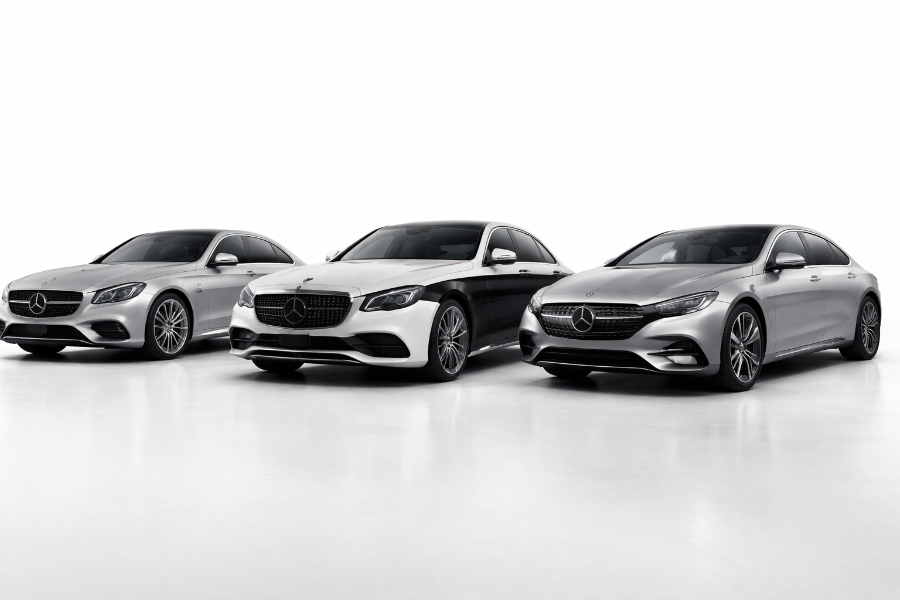
The modern ultra-wealthy buyer is no longer chasing aggressive styling or flashy badges. Instead, they are drawn to vehicles that deliver a seamless blend of comfort, innovation, and understated prestige. Models like the Mercedes-Benz S-Class, Mercedes-Benz EQS, and Mercedes-Maybach S-Class have become symbols of this new era, offering a quiet yet powerful statement of success.
Moreover, this shift toward Mercedes-Benz Quiet Luxury is not just about aesthetics it is about redefining luxury itself. In a world where privacy is increasingly valuable and sustainability is becoming essential, these vehicles provide a compelling alternative to traditional status symbols. Consequently, Mercedes-Benz is positioning itself at the center of a global movement that is reshaping the luxury automotive market.
What Is Quiet Luxury in the Automotive World?
Quiet luxury in the automotive sector refers to a design and ownership philosophy centered on subtlety, craftsmanship, and experience rather than overt displays of wealth. Unlike traditional luxury vehicles that emphasize bold styling and brand prominence, quiet luxury vehicles are intentionally understated, focusing on details that are appreciated rather than noticed.
This approach prioritizes materials, engineering precision, and user comfort over visual drama. Interiors are designed to feel like private sanctuaries, while exteriors maintain a refined, minimalist aesthetic. As a result, vehicles embody sophistication without demanding attention, appealing to buyers who value discretion.
Furthermore, the rise of Mercedes-Benz Quiet Luxury reflects a broader societal shift. High-net-worth individuals are increasingly conscious of how they present themselves, opting for elegance over extravagance. Therefore, quiet luxury vehicles serve as a reflection of confidence where the product speaks for itself without the need for excess branding or aggressive styling.
Why Billionaires Are Embracing Quiet Luxury?
One of the primary reasons billionaires are embracing quiet luxury is the growing desire for privacy. In an era of constant digital exposure, high-profile individuals prefer vehicles that allow them to move discreetly without attracting unnecessary attention. Consequently, understated vehicles have become more desirable than flashy supercars.
Another factor is the shift in values from material display to experiential richness. Billionaires are prioritizing comfort, personalization, and technology over traditional status symbols. A vehicle that offers a serene cabin, intelligent features, and effortless performance aligns better with modern luxury expectations than one that simply turns heads.
Additionally, quiet luxury aligns with evolving social norms. Excessive displays of wealth are increasingly viewed as outdated or even insensitive in certain contexts. Therefore, choosing a Mercedes-Benz that embodies quiet luxury allows buyers to maintain prestige while demonstrating a more refined and thoughtful approach to consumption.
Mercedes-Benz’s Role in This Shift
Mercedes-Benz has long been associated with refinement and engineering excellence, making it uniquely positioned to lead the quiet luxury movement. Over the past decade, the brand has progressively shifted its design language toward minimalism, emphasizing clean lines, subtle detailing, and advanced technology integration.
The evolution of interiors has been particularly significant. Mercedes-Benz vehicles now feature expansive digital displays, ambient lighting systems, and high-quality materials that create an immersive yet calming environment. This focus on interior experience aligns perfectly with the principles of Mercedes-Benz Quiet Luxury.
Moreover, the brand’s transition toward electric mobility further reinforces its leadership in this space. Electric models like the EQS deliver near-silent operation, enhancing the sense of tranquility that defines quiet luxury. As a result, Mercedes-Benz is not only adapting to the trend but actively shaping its future.
Mercedes-Benz Quiet Luxury Models (2026)
| Model | Price Range (USD) | Key Features | Target Buyer | Luxury Level |
|---|---|---|---|---|
| S-Class | $115K–$150K+ | Executive comfort, advanced driver assist, premium materials | Executives, entrepreneurs | High |
| EQS | $105K–$150K+ | Electric drivetrain, Hyperscreen, ultra-quiet ride | Tech-focused elites | High |
| Maybach S-Class | $190K–$250K+ | Chauffeur luxury, rear-seat focus, bespoke finishes | Billionaires, VIP clients | Ultra |
| G-Wagon | $140K–$200K+ | Iconic design, off-road capability, luxury interior | High-profile personalities | High |
Interior Experience: Where Quiet Luxury Shines
The interior is where Mercedes-Benz Quiet Luxury truly comes to life. Every element is meticulously crafted to create an environment that feels both luxurious and calming. Premium materials such as Nappa leather, open-pore wood, and brushed metal surfaces are used extensively, ensuring a tactile experience that reflects quality.
In addition, cabin insulation and engineering advancements have resulted in some of the quietest interiors in the industry. Whether powered by traditional engines or electric drivetrains, these vehicles minimize noise and vibration, allowing occupants to enjoy a serene ride even in busy urban environments.
Technology also plays a crucial role in enhancing the interior experience. The MBUX Hyperscreen in the EQS, for example, provides a seamless digital interface that integrates navigation, entertainment, and vehicle controls. Furthermore, rear-seat passengers in Maybach models benefit from features such as reclining seats, massaging functions, and dedicated infotainment systems, making them ideal for chauffeur-driven use.
Read also: Is the Aston Martin Vantage Worth It? What Buyers Need to Know
Technology as the New Status Symbol
In 2026, technology has become the primary indicator of luxury, replacing traditional markers such as size or horsepower. Mercedes-Benz has embraced this shift by integrating cutting-edge features into its vehicles, positioning them as technological showcases rather than mere modes of transport.
AI-powered driver assistance systems enhance safety and convenience, offering semi-autonomous capabilities that reduce driver workload. Meanwhile, over-the-air updates ensure that vehicles remain current, adding new features and improvements without requiring physical upgrades.
Electric powertrains further reinforce the concept of quiet luxury. They not only provide smooth and silent performance but also align with sustainability goals, which are increasingly important to affluent buyers. Consequently, owning a technologically advanced, environmentally conscious vehicle has become a new form of status signaling.
Quiet Luxury vs Traditional Luxury Cars (2026)
| Feature | Quiet Luxury | Traditional Luxury |
|---|---|---|
| Design Style | Minimalist, understated | Bold, flashy |
| Attention Level | Low-key | High visibility |
| Technology Focus | Advanced, integrated | Secondary to design |
| Buyer Motivation | Experience, privacy | Status display |
| Brand Perception | Sophisticated, modern | Prestigious, classic |
Comparison with Competitors
When compared to competitors, Mercedes-Benz stands out for its balanced approach to quiet luxury. While BMW continues to emphasize sporty performance and bold design, Mercedes-Benz offers a more refined and understated alternative that appeals to buyers seeking elegance over aggression.
In contrast, brands like Rolls-Royce deliver an even higher level of luxury but often lean toward overt opulence. Mercedes-Benz provides a similar level of comfort and craftsmanship in models like the Maybach, but with a more subtle presentation that aligns better with modern preferences.
Tesla, on the other hand, excels in technology and electric innovation but lacks the traditional craftsmanship and material quality associated with luxury vehicles. Therefore, Mercedes-Benz occupies a unique position by combining advanced technology with heritage and refinement, making it a leader in the Mercedes-Benz Quiet Luxury segment.
Ownership Costs & Pricing Insights
Owning a Mercedes-Benz vehicle in the quiet luxury segment involves significant financial commitment. The S-Class typically starts around $115,000 and can exceed $150,000 with options, while the EQS falls within a similar range depending on configuration.
The Maybach models represent the pinnacle of luxury, with prices ranging from $190,000 to over $250,000. These vehicles offer unparalleled comfort and exclusivity, making them a preferred choice for billionaires and high-profile individuals.
However, ownership costs extend beyond the initial purchase price. Maintenance, insurance, and depreciation must also be considered. Luxury vehicles tend to depreciate faster than mainstream cars, and advanced technology systems can result in higher repair costs. Therefore, buyers must weigh these factors when investing in quiet luxury vehicles.
What Buyers Love (Pros)?
- Exceptional ride comfort and cabin isolation
- Discreet yet prestigious design
- Advanced technology and digital integration
- Strong brand heritage and reliability perception
- Wide range of customization options
These advantages make Mercedes-Benz Quiet Luxury highly appealing to buyers who value experience and refinement over attention.
What Buyers Criticize (Cons)?
- High purchase and maintenance costs
- Complex technology interfaces for some users
- Depreciation concerns over time
- Less visually exciting compared to sports cars
Despite these drawbacks, the overall ownership experience remains highly positive for most buyers in this segment.
Why This Trend Matters in 2026?
The rise of quiet luxury reflects a fundamental shift in how wealth is perceived and expressed. Billionaires are increasingly prioritizing personal comfort, privacy, and sustainability over traditional status symbols. As a result, vehicles that embody these values are gaining prominence.
This trend also influences the broader automotive market. As more consumers aspire to quiet luxury, manufacturers are adapting their offerings to include more understated designs and advanced technologies. Consequently, the impact of Mercedes-Benz Quiet Luxury extends beyond the ultra-wealthy segment.
2026 Market Trends
Several key trends are shaping the luxury automotive landscape in 2026:
- Growth of electric luxury vehicles across all major brands
- Increasing demand for minimalist and understated design
- Expansion of chauffeur-focused vehicle features
- Rising importance of sustainability and eco-friendly materials
- Integration of AI and connected technologies
These trends indicate that quiet luxury is not a passing phase but a long-term transformation in the industry.
FAQs
What is quiet luxury in cars?
Quiet luxury refers to vehicles that emphasize understated design, premium materials, and advanced technology rather than flashy styling or overt branding.
Why are billionaires choosing Mercedes-Benz?
Billionaires prefer Mercedes-Benz for its balance of comfort, innovation, and discretion, aligning with modern values of privacy and refined luxury.
Which Mercedes models define quiet luxury?
The S-Class, EQS, and Maybach models are key examples of Mercedes-Benz Quiet Luxury, offering advanced features and exceptional comfort.
Are quiet luxury cars worth the price?
For buyers who value experience, technology, and subtle prestige, quiet luxury cars provide significant value despite their high cost.
How does Mercedes compare to Rolls-Royce?
Mercedes-Benz offers similar comfort and technology but with a more understated approach, जबकि Rolls-Royce emphasizes overt opulence.