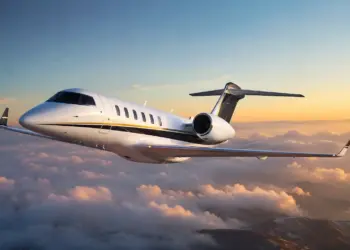
Private aviation has long been associated with extreme wealth, exclusivity, and convenience. However, in 2026, the conversation around private flight costs has shifted significantly. While private jets remain expensive, the actual pricing structure is far more nuanced than many assume, with a wide range of options now available to different tiers of wealthy travelers.
Millionaires not just billionaires are increasingly active users of private aviation. This shift has been driven by flexible charter models, membership programs, and shared flight options that distribute costs more efficiently. As a result, private flight costs are no longer defined solely by ownership but by usage patterns, aircraft type, and service level.
Understanding what millionaires actually pay requires a detailed breakdown of pricing models, hourly rates, and hidden expenses. From charter flights to full ownership, each option comes with its own financial realities. Therefore, this article explores the true cost of private flights, using real-world estimates and industry data to provide a clear and accurate picture.
Overview of Private Flight Costs
The common perception of private flight costs is often exaggerated, with many assuming that every flight costs hundreds of thousands of dollars. While this can be true for ultra-long-haul luxury travel, the reality is more varied. Costs depend heavily on distance, aircraft category, and how the service is booked.
Moreover, pricing is influenced by multiple operational factors, including fuel prices, airport fees, crew requirements, and aircraft availability. Consequently, two similar flights can have significantly different price tags depending on timing and logistics. This variability is one of the defining characteristics of private aviation pricing.
There are also fundamental differences between chartering, memberships, and ownership. Chartering offers pay-as-you-go flexibility, while jet cards provide predictable pricing through prepaid hours. Ownership, on the other hand, involves substantial upfront investment but can reduce marginal costs over time. Therefore, understanding private flight costs requires evaluating both short-term and long-term financial commitments.
Key factors influencing private flight costs include:
- Aircraft type and size
- Flight duration and distance
- Fuel prices and surcharges
- Airport landing and handling fees
- Demand and seasonal availability
Cost Breakdown by Flight Type
Private flight costs vary significantly depending on the model used. On-demand charter remains the most flexible option, with hourly rates typically ranging from $2,000 to $10,000 or more. Light jets fall on the lower end of this spectrum, while heavy and ultra-long-range jets command premium pricing.
Jet cards and membership programs introduce a different pricing structure. Users pay upfront often between $25,000 and $150,000 for a block of flight hours. Consequently, hourly rates become more predictable, usually falling within a fixed range regardless of market fluctuations. This appeals to frequent flyers who prioritize consistency.
Empty leg flights offer one of the most cost-effective ways to access private aviation. These flights can be discounted by 50% to 75% because the aircraft would otherwise fly empty. However, availability is limited and schedules are inflexible, making them less reliable for critical travel plans.
Fractional ownership and full ownership represent the higher end of the cost spectrum. Fractional ownership allows users to purchase a share of a jet, reducing upfront costs while still requiring ongoing maintenance fees. Full ownership, meanwhile, involves multimillion-dollar investments along with significant annual operating expenses.
Primary private flight models include:
- On-demand charter (pay per flight)
- Jet cards / membership programs
- Empty leg discounted flights
- Fractional jet ownership
- Full aircraft ownership
Private Flight Cost Breakdown by Model
| Model | Hourly Cost | Upfront Cost | Flexibility | Ideal User |
|---|---|---|---|---|
| Charter | $2,000–$10,000+ | None | Very High | Occasional users |
| Jet Card | $3,000–$8,000 | $25K–$150K | High | Frequent travelers |
| Fractional Ownership | $4,000–$9,000 | $500K–$5M+ | Medium | Regular flyers |
| Full Ownership | $5,000–$15,000+ | $3M–$75M+ | Maximum | Ultra-high-net-worth users |
This comparison highlights how private flight costs scale with commitment level. While chartering offers flexibility, ownership provides control at a significantly higher financial burden.
Hourly Rates by Jet Category
Private flight costs are closely tied to the category of aircraft used. Light jets, which typically seat 4–7 passengers, are the most affordable option. These aircraft are commonly used for short-haul trips and have hourly rates ranging from $2,000 to $4,000.
Midsize jets offer greater range and comfort, accommodating 6–9 passengers. Their hourly rates generally fall between $4,000 and $7,500. Consequently, they are a popular choice for regional business travel where both efficiency and comfort are required.
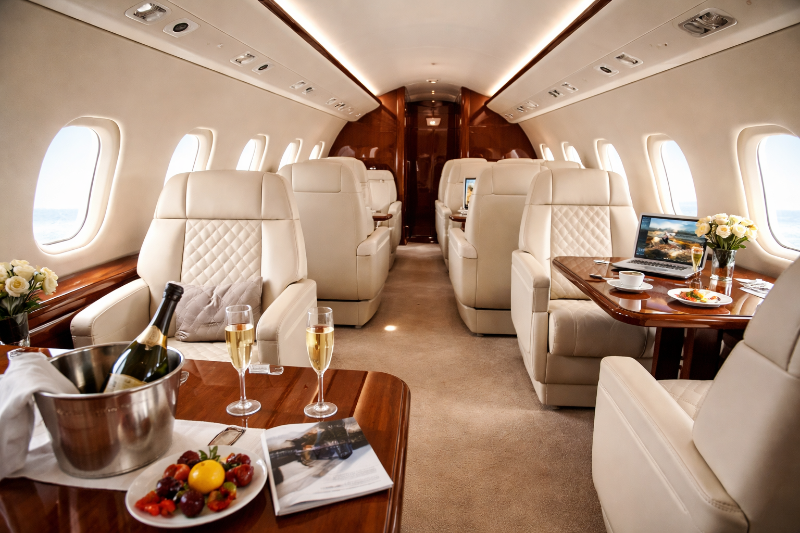
Heavy jets and ultra-long-range jets represent the premium segment. Heavy jets cost between $8,000 and $12,000 per hour, while ultra-long-range jets can exceed $15,000 per hour. These aircraft are designed for intercontinental travel and include high-end amenities such as private cabins and full-service galleys.
Typical hourly rate ranges:
- Light jets: $2,000–$4,000 per hour
- Midsize jets: $4,000–$7,500 per hour
- Heavy jets: $8,000–$12,000 per hour
- Ultra-long-range jets: $12,000–$15,000+ per hour
The choice of aircraft significantly impacts total trip cost, making it one of the most important decisions for private flyers.
Hidden Costs Millionaires Pay
While base hourly rates provide a starting point, private flight costs often include additional expenses that can substantially increase the final bill. Landing and handling fees, for example, vary by airport and can range from a few hundred to several thousand dollars per trip.
Fuel surcharges are another major variable. As fuel prices fluctuate, operators adjust pricing accordingly, sometimes adding thousands of dollars to long-haul flights. Therefore, total costs can change even after initial quotes are provided.
Crew-related expenses also contribute to the overall cost. Overnight stays, per diems, and repositioning flights can add unexpected charges, particularly for multi-day trips. Catering, ground transportation, and special onboard services further increase expenses.
Common hidden costs include:
- Landing and airport handling fees
- Fuel surcharges and price adjustments
- Crew overnight and positioning costs
- Catering and luxury service requests
- International permits, taxes, and customs fees
These additional charges highlight why private flight costs can vary widely, even for similar routes.
Private Flights vs First Class Cost Comparison
| Feature | Private Flights | First Class Commercial |
|---|---|---|
| Cost per Trip | $10K–$150K+ | $1K–$10K |
| Cost per Seat | High (unless shared) | Moderate |
| Flexibility | Maximum | Limited |
| Time Savings | Significant | Moderate |
Private flights offer unmatched flexibility and time savings, but at a significantly higher cost. However, when costs are shared among multiple passengers, the gap between private and first-class travel narrows considerably.
Annual Cost of Private Flying
For millionaires who frequently use private aviation, annual spending can vary widely. Occasional users may spend between $100,000 and $500,000 per year on charter flights. In contrast, frequent flyers can easily exceed $1 million annually, depending on travel patterns.
Jet card users often fall into a mid-range spending category, typically allocating $250,000 to $750,000 per year. This provides predictable costs and consistent service, making it a popular choice among business executives.
Ownership significantly increases annual expenses. Operating a private jet can cost between $1 million and $5 million per year, excluding depreciation. Consequently, ownership is only financially viable for individuals with extremely high usage levels.
Typical annual spending ranges:
- Occasional charter users: $100K–$500K
- Frequent charter users: $500K–$1M+
- Jet card members: $250K–$750K
- Full ownership: $1M–$5M+ annually
Why Millionaires Still Choose Private Flights?
Despite high private flight costs, many millionaires continue to prioritize private aviation due to its unique advantages. Time efficiency is one of the most significant factors, as private flights eliminate long airport procedures and delays.
Privacy and security are also critical considerations. High-profile individuals often prefer controlled environments where they can travel discreetly. Moreover, private jets allow passengers to conduct business meetings mid-flight, enhancing productivity.
Convenience and flexibility further justify the cost. Travelers can depart on their own schedule, access smaller airports, and avoid crowded terminals. Therefore, private aviation is often seen as a strategic investment rather than a luxury expense.
Key reasons include:
- Significant time savings
- Enhanced privacy and discretion
- Improved business productivity
- Flexible travel schedules
- Access to remote destinations
Read also: Private Jet Rental Cost: Real Prices, Rates & Hidden Fees Explained
Limitations & Financial Realities
Private flight costs remain significantly higher than commercial travel, even with increased accessibility. For many travelers, the financial burden is difficult to justify unless time savings are critical.
Ownership introduces additional challenges, including depreciation. Aircraft values decline over time, resulting in long-term financial losses. Maintenance and operational costs further add to the burden.
Environmental concerns also play a growing role. Private jets have a higher carbon footprint per passenger, prompting criticism and regulatory scrutiny. Consequently, sustainability is becoming an increasingly important factor in the industry.
Key limitations include:
- High overall cost
- Depreciation for owners
- Limited cost efficiency for solo travelers
- Environmental impact concerns
2026 Trends in Private Flight Costs
Private flight costs in 2026 are being shaped by increased competition and technological innovation. More charter providers and digital platforms are entering the market, driving greater price transparency and competitive pricing.
Shared flight models are also gaining traction, allowing passengers to book individual seats on private jets. This significantly reduces costs and broadens access to private aviation.
However, rising fuel prices and operational expenses continue to put upward pressure on pricing. Therefore, while some aspects of private flight costs are decreasing, others are becoming more expensive.
Emerging trends include:
- Increased competition lowering charter prices
- Growth of shared and seat-based models
- Rising fuel and maintenance costs
- Expansion of digital booking platforms
FAQs
How much do private flights cost per hour?
Private flight costs typically range from $2,000 to over $15,000 per hour, depending on the aircraft type.
What is the cheapest way to fly private?
Empty leg flights and shared seat bookings offer the lowest-cost entry into private aviation.
How much do millionaires spend on private jets yearly?
Annual spending ranges from $100,000 to over $1 million, depending on usage and travel frequency.
Is owning a private jet worth it?
Ownership is only cost-effective for extremely frequent flyers due to high upfront and ongoing expenses.
Are private flights becoming more affordable?
Yes, new models and competition are improving accessibility, though costs remain high overall.