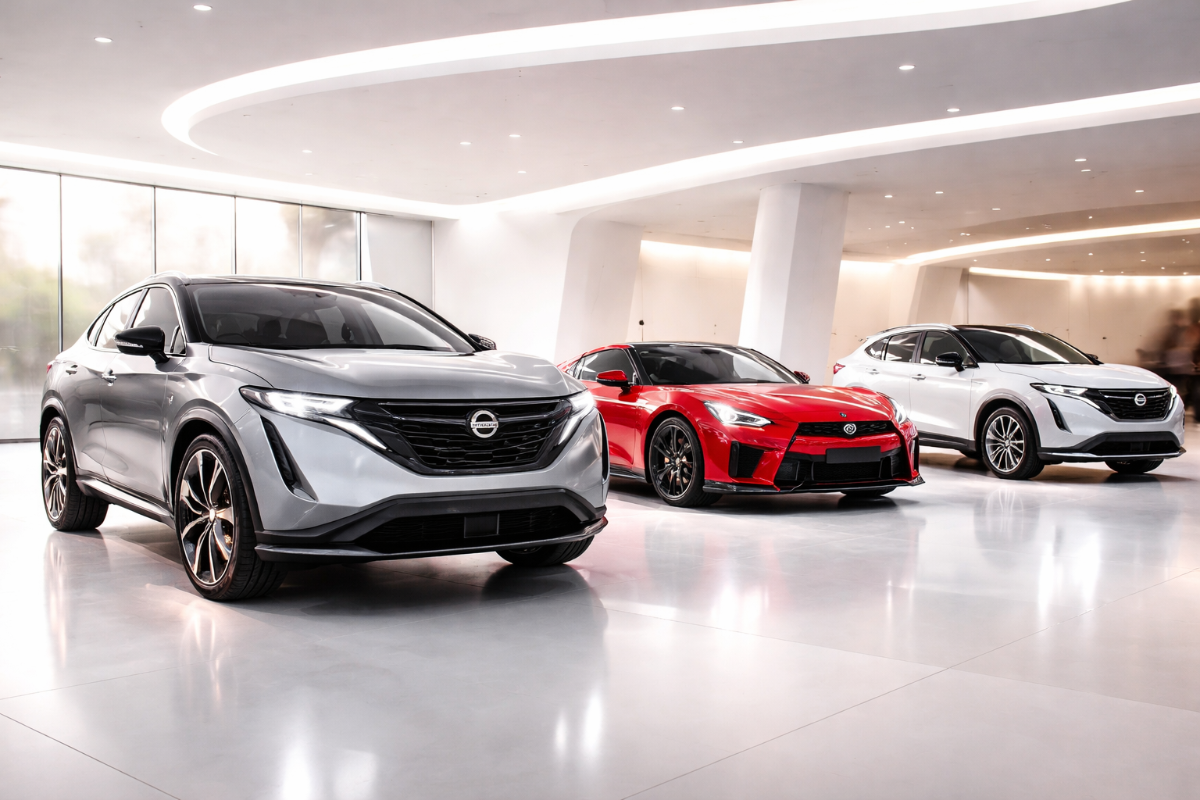
The global automotive landscape is undergoing a profound transformation, driven by electrification, digitalization, and shifting consumer expectations. Against this backdrop, Nissan Motor Co. has unveiled a comprehensive roadmap designed to reposition the brand toward a more premium, technology-driven future. At the center of this transformation is the Nissan Luxury Mobility Strategy, a framework that emphasizes intelligent systems, streamlined operations, and a sharper focus on high-value segments.
The newly announced global strategy reflects a deliberate shift from volume-driven growth to profitability and brand elevation. By prioritizing advanced technologies and refining its product lineup, Nissan aims to deliver vehicles that meet rising expectations for performance, connectivity, and comfort. This transition aligns with broader industry trends where luxury is increasingly defined by innovation rather than just price.
Moreover, the strategy reinforces Nissan’s long-standing commitment to innovation through its Intelligent Mobility framework. By integrating electrified powertrains, autonomous capabilities, and connected ecosystems, the company is positioning itself to compete in both mainstream and premium automotive segments, including key models like the Nissan Qashqai, Nissan Juke, Nissan X-Trail, Nissan Patrol, and Nissan Rogue.
Overview of Nissan’s Global Strategy
Nissan’s latest roadmap introduces a clear and structured approach to navigating future mobility demands. The Nissan Luxury Mobility Strategy is built on optimizing product offerings, enhancing technological capabilities, and improving operational efficiency.
At its core, the strategy aims to balance innovation with profitability. Instead of expanding its lineup indiscriminately, Nissan is reducing complexity and focusing on models that deliver strong market performance. Consequently, the company is aligning its resources toward high-demand categories such as SUVs and electrified vehicles.
Furthermore, the strategy emphasizes regional adaptability. While maintaining a global vision, Nissan is tailoring its approach to key markets, ensuring relevance across diverse consumer preferences. This includes strengthening its presence in established markets while leveraging emerging opportunities.
Key highlights include:
- Streamlined global product portfolio
- Increased focus on electrification and intelligent systems
- Improved cost efficiency through operational restructuring
- Stronger alignment with premium and high-demand segments
- Emphasis on sustainable and future-ready mobility solutions
Core Pillars of the Nissan Luxury Mobility Strategy
The Nissan Luxury Mobility Strategy is structured around three foundational pillars that define its long-term direction.
Electrification Expansion
Electrification remains central to Nissan’s roadmap. The company is expanding both fully electric vehicles (EVs) and hybrid offerings to meet regulatory requirements and consumer demand.
This includes:
- Broader EV lineup across global markets
- Increased hybrid integration in key models
- Focus on efficiency and reduced emissions
- Development of next-generation battery technologies
Models such as the Nissan Juke and Nissan Kicks are expected to play a role in this electrification push, especially in urban and compact segments.
Autonomous Driving Technologies
Nissan continues to invest in advanced driver assistance systems and autonomous capabilities. These technologies aim to improve safety, convenience, and overall driving experience.
Key areas include:
- Enhanced driver-assistance features
- Development of semi-autonomous driving systems
- Integration of AI-driven safety technologies
- Continuous improvement in vehicle sensing and response
Connected Car Ecosystem
Connectivity is becoming a defining factor in modern vehicles. Nissan’s strategy emphasizes seamless integration between vehicles, drivers, and digital ecosystems.
Core elements include:
- Real-time data connectivity
- Advanced infotainment systems
- Integration with smart devices and services
- Cloud-based vehicle management
Understanding Nissan Intelligent Mobility
A central component of the Nissan Luxury Mobility Strategy is the Nissan Intelligent Mobility framework, which integrates three critical dimensions of innovation.
Intelligent Driving
This pillar focuses on enhancing driver support and safety through advanced technologies. Nissan aims to reduce human error while improving driving comfort.
Key features include:
- Advanced driver assistance systems (ADAS)
- Improved lane-keeping and adaptive cruise control
- Enhanced collision prevention technologies
- Gradual progression toward autonomous driving
Intelligent Power
Intelligent Power emphasizes electrified drivetrains, including EVs and hybrid systems. The goal is to deliver efficient performance without compromising driving dynamics.
Important aspects:
- Expansion of electric vehicle platforms
- Integration of hybrid powertrains
- Focus on energy efficiency
- Reduction in carbon emissions
Intelligent Integration
This dimension connects vehicles with broader digital ecosystems, enabling seamless user experiences.
It includes:
- Vehicle-to-cloud connectivity
- Smart navigation and real-time updates
- Integration with mobile applications
- Personalized in-car experiences
Read also: Why Nissan’s e-Power Could Replace Traditional Hybrids in 2026
Product Strategy and Model Optimization
Nissan’s new product strategy focuses on simplifying its lineup while maximizing impact across key segments. By concentrating on fewer, more competitive models, the company aims to improve profitability and operational efficiency.
The strategy introduces four core model categories, ensuring clarity and focus across global markets. These categories are designed to align with consumer demand and market trends.
Key Product Focus Areas
- SUVs and crossovers (e.g., Nissan X-Trail, Nissan Rogue)
- Compact urban vehicles (e.g., Nissan Juke, Nissan Kicks)
- Performance and heritage models (e.g., Nissan GT-R)
- Electrified vehicles across segments
Additionally, Nissan is prioritizing models with strong global appeal, reducing redundancy in its portfolio.
Nissan Strategy Breakdown
| Strategy Pillar | Key Focus Areas |
|---|---|
| Electrification | EV expansion, hybrid systems, battery tech |
| Autonomous Driving | ADAS, semi-autonomous systems, AI safety |
| Connectivity | Smart systems, cloud integration, infotainment |
| Product Optimization | Fewer models, higher efficiency, global focus |
Luxury Mobility Direction
A major shift within the Nissan Luxury Mobility Strategy is the emphasis on premium positioning. While Nissan has traditionally operated in the mass-market segment, the new roadmap highlights a move toward higher-value offerings.
This includes enhancing:
- Interior comfort and materials
- Advanced technology integration
- Refined driving experience
- Premium design elements
Moreover, the strategy leverages the role of Infiniti, which remains central to Nissan’s luxury ambitions. Infiniti is expected to spearhead innovation in high-end mobility, particularly in electrification and advanced technologies.
Luxury mobility, in this context, is defined not only by price but by the integration of intelligent systems and superior user experience.
Read also: Nissan’s Best Family Car Isn’t Sold in the US: Serena 2026 Explained
Technology and Innovation Focus
Technology is at the heart of Nissan’s transformation. The company is investing heavily in next-generation systems that enhance both performance and user experience.
Key Technology Initiatives
- Expansion of AI-driven vehicle systems
- Development of autonomous driving capabilities
- Integration of advanced connectivity solutions
- Focus on software-defined vehicles
Furthermore, Nissan is aligning its technology investments with global trends, ensuring compatibility with future mobility ecosystems.
This includes:
- Over-the-air (OTA) updates
- Enhanced cybersecurity measures
- Integration with smart city infrastructure
- Real-time vehicle diagnostics
Global Market Strategy
Nissan’s global strategy emphasizes growth in key regions while optimizing production and distribution networks.
Priority Markets
- United States
- China
- Middle East
- Emerging global markets
China, in particular, plays a dual role as both a major market and a production/export hub. This positioning allows Nissan to leverage local manufacturing capabilities while serving international demand.
Additionally, models like the Nissan Patrol remain highly relevant in Middle Eastern markets, where demand for large SUVs continues to be strong.
Model Categories vs Target Segments
| Model Category | Target Market Segment |
|---|---|
| SUVs & Crossovers | Families, premium buyers |
| Compact Vehicles | Urban drivers, young consumers |
| Performance Models | Enthusiasts, brand loyalists |
| Electrified Vehicles | Eco-conscious and tech-savvy users |
Operational Efficiency and Profitability
A key part of the Nissan Luxury Mobility Strategy is the clear shift toward profit over volume. In other words, the company is focusing more on making better returns rather than simply selling more cars. To achieve this, Nissan is reducing waste and improving how it builds and delivers vehicles.
Moreover, the company is working to simplify its operations. As a result, production becomes faster, smoother, and more cost-effective. At the same time, these changes help Nissan stay competitive in a fast-changing market.
Key Operational Changes
- Reduction in total model lineup
- Simplified manufacturing processes
- Improved supply chain management
- Stronger focus on high-margin vehicles
By focusing on fewer models with strong demand, Nissan can improve both profits and brand value. In addition, this approach allows the company to invest more in quality and innovation.
Furthermore, better efficiency also supports sustainability goals. For example, reducing waste and using resources wisely helps lower environmental impact. Therefore, these changes benefit both the business and the environment.
Conclusion: A Strategic Shift Toward Premium Mobility
Overall, the Nissan Luxury Mobility Strategy marks a major step forward for the company. It clearly aligns Nissan with the future of the auto industry. By focusing on electrification, smart technology, and premium experiences, Nissan is strengthening its position in both mass and high-value markets.
In addition, the company’s Intelligent Mobility framework and streamlined product lineup play a key role in this shift. As a result, Nissan is better prepared to handle industry challenges while also taking advantage of new opportunities.
For example, models like the Nissan Qashqai, Nissan Juke, Nissan X-Trail, Nissan Rogue, and Nissan Patrol show how the brand meets different market needs. At the same time, they highlight Nissan’s ability to adapt across regions.
Ultimately, this strategy shows a strong focus on innovation, efficiency, and long-term growth. Therefore, Nissan is moving toward a more advanced and technology-driven future.
FAQs
What is Nissan’s new global strategy?
Nissan’s new global strategy focuses on electrification, intelligent mobility, and simpler operations. As a result, the company aims to improve both profit and market position.
What is Nissan Intelligent Mobility?
It is a system that combines Intelligent Driving, Intelligent Power, and Intelligent Integration. In short, it improves safety, efficiency, and connectivity.
Is Nissan focusing on luxury cars?
Yes, the strategy includes a move toward premium mobility. In particular, it focuses on better technology, comfort, and driving experience.
What are the four model categories?
The four categories include SUVs and crossovers, compact cars, performance models, and electrified vehicles.
How will this impact future Nissan vehicles?
In the future, Nissan vehicles will include more advanced technology and better efficiency. Additionally, they will offer stronger connectivity and a greater focus on electrification.