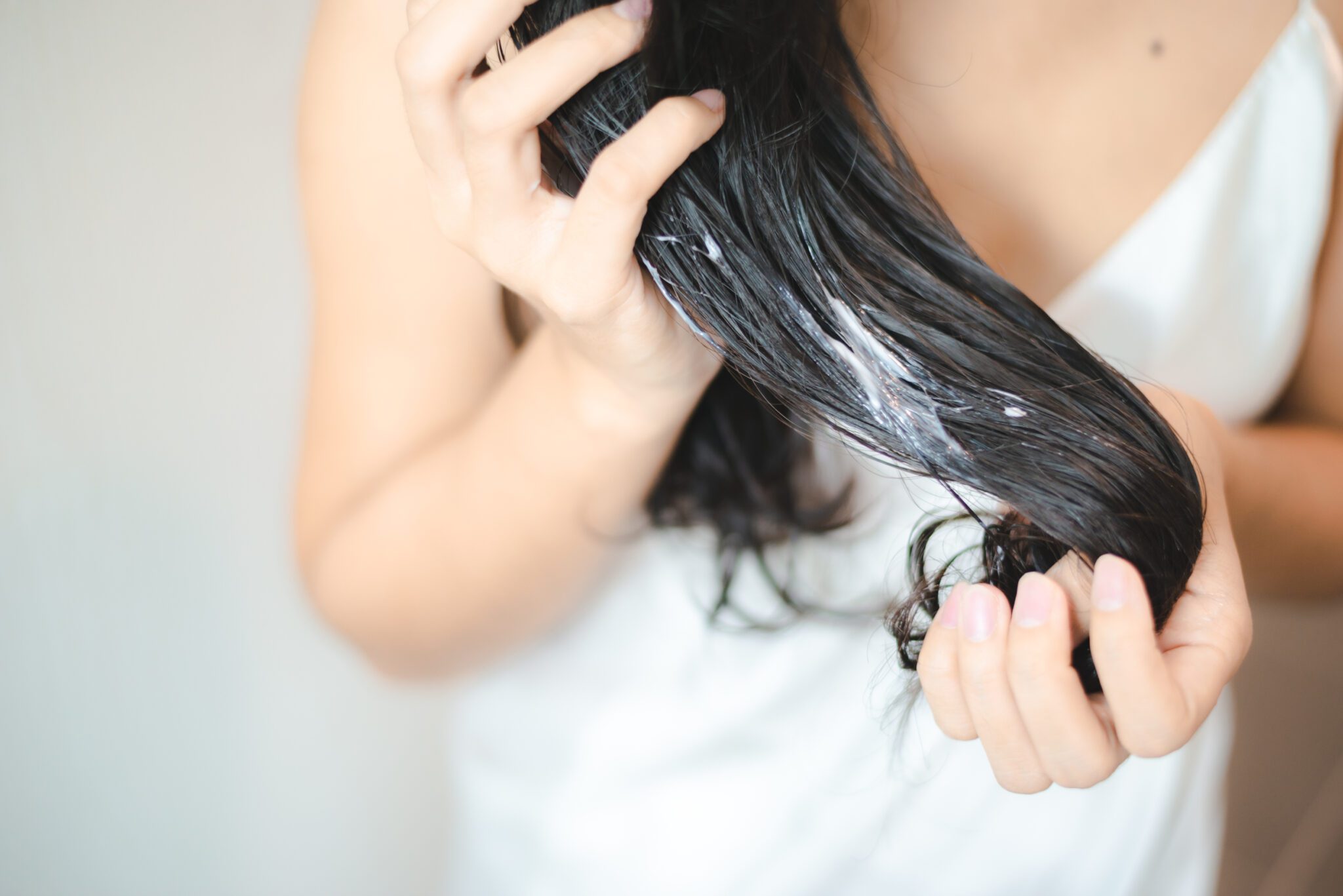
Hair can look perfectly good on the outside while feeling brittle, dry, and unpleasant to the touch, or it may be that way to style it differently than usual.
That seems to be the point where most people begin to seek out a hair mask: not because they want a longer hair routine, but because shampoo and conditioner are no longer meeting their hair’s needs. Of course, not every mask helps every different hair problem. This guide is aimed at helping you figure out which one your hair actually needs.
Why Hair Masks Are More Important Than You Think
A hair mask is more than just a heavy-duty conditioner. From a practical point of view, it is often relegated to times when the hair simply needs more attention than we can devote to a regular washday. Whether for increased softness, hydration, texture, or more support when hair has started to show its signs of distress from heat, color services, and regular styling. Incorporating hair masks can provide the additional boost your hair is craving from you and help elevate your hair health.
What Different Hair Types Usually Need From A Hair Mask
Dryer, more porous hair fares best with a hydrating mask that can make it feel softer, stronger, and frictionless; all the better for styling later.
Damaged hair, whether from damage (think overuse of heat tools, lots of bleaching and color) or other issues such as frizz, may benefit from a targeted repair product. Frizz may require formulas that can offer control without added weight. In the case of fine hair, you’ll need something that hydrates without weighing hair down or coating your strands.
How To Tell If You Are Using The Wrong Hair Mask
A mismatch tends to reveal itself rather quickly. Maybe the hair feels a little coated instead of just soft. Or perhaps roots weigh down more quickly during the day. The ends, meanwhile, still land on the parched side. Or maybe the mask promises to repair when all hair really needs is a little extra hydration.
That is why choosing the richest formula is not always the smartest move. More often than not, the best hair mask is the one that works with your hair texture, condition, and styling habits.
How To Use A Hair Mask So It Actually Helps
Most often, you should use your mask on the mid-lengths and ends of your hair rather than close to the scalp, since that finer, older hair tends to be less hydrated and more prone to issues. More product does not equal better results. Use just enough to evenly distribute it.
Consistency matters more than random use. Weekly use often makes more sense than waiting until the hair feels unmanageable.
Where Amika Fits Into The Hair Mask Conversation
Amika offers professional hair products and tools across a wide range of hair types, and its masks-and-treatments collection includes options aimed at different needs rather than one single fix. That includes moisture-focused formulas like Soulfood Nourishing Mask and repair-focused options like The Kure.
That makes it one relevant brand people may come across when they want a hair mask that matches a specific concern instead of choosing something generic.
A Simpler Mask Routine Usually Works Better
In most cases, the routine does not need to be complicated:
- choose the mask based on your real hair concern
- apply mainly through the mid-lengths and ends
- use it regularly, not just occasionally
- avoid formulas that feel too heavy for your texture
- adjust when your hair changes with the season or your styling habits
The best hair mask is not automatically the richest one. It is the one that matches what your hair actually needs, whether that is moisture, softness, smoother texture, or repair support.