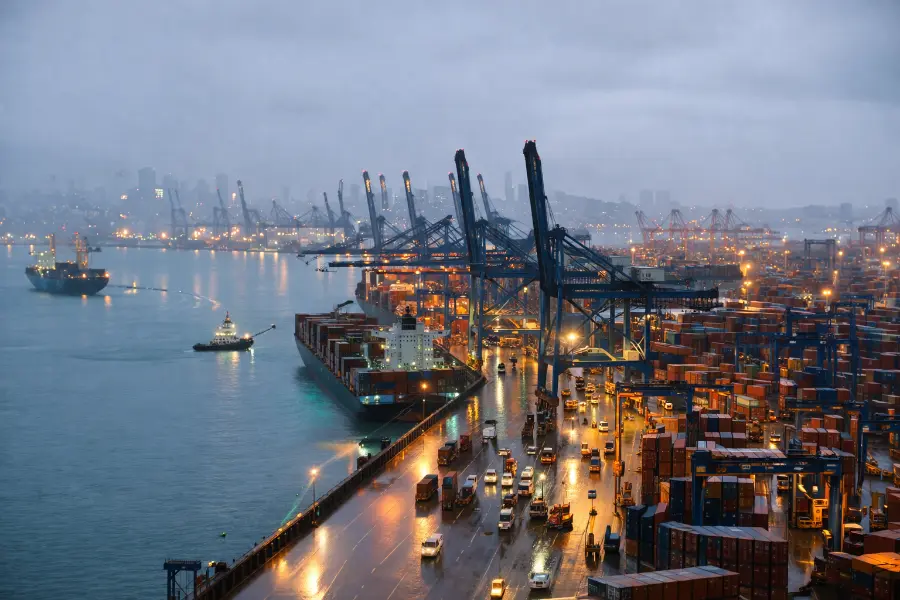
Global trade disruptions in 2026 are reshaping markets and investment strategies worldwide. Investors are now facing a landscape defined by geopolitical tension, shipping bottlenecks, rising logistics costs, and evolving trade policies. Understanding these dynamics and how they affect asset classes, sectors, and regions is critical for portfolio resilience.
From container shortages in the Strait of Hormuz to tariff adjustments in the U.S. China corridor, the ripple effects of trade shocks are being felt across commodities, technology, and energy markets. Investors need a clear roadmap to navigate these challenges, balancing risk management with opportunities arising from the structural shifts in global trade flows.
This article examines the causes, impacts, and strategies for investors to safeguard and grow their portfolios amid ongoing global trade disruptions in 2026.
Overview of Global Trade Disruptions in 2026
Global trade grew by $2.5 trillion in 2025, reaching $35 trillion, according to the UN Trade and Development (UNCTAD). However, the outlook is increasingly fragile. Trade disruptions are hitting both goods and services, with developing economies particularly vulnerable to higher import bills, tighter financial conditions, and rising costs.
The disruptions stem from multiple factors: geopolitical tensions, regional conflicts, supply chain realignments, and shifting trade policies. Shipping routes remain unpredictable, and energy markets are volatile, contributing to inflationary pressures and currency fluctuations. Investors must evaluate both short-term impacts and long-term structural changes in trade patterns.
Moreover, these disruptions have amplified the role of developing and emerging markets as connectors in the global economy, presenting opportunities for strategic investment even amid uncertainty.
Key Causes of Trade Disruptions
Geopolitical Tensions
The U.S.–China trade decoupling continues to influence supply chains, tariffs, and global trade flows. Simultaneously, conflicts in the Middle East, such as the 2026 Strait of Hormuz crisis, have disrupted oil and container shipments, triggering rapid spikes in logistics costs and war-risk insurance premiums.
Consequently, investors face heightened market volatility. Energy security, regional stability, and diplomatic developments now directly impact commodity prices, shipping rates, and corporate profitability. Therefore, understanding geopolitical risk is critical for portfolio allocation.
Supply Chain Realignments
The “China+1” strategy, reshoring initiatives, and investment in logistics infrastructure are reshaping global supply chains. Companies are diversifying suppliers, shortening lead times, and increasing inventory buffers to mitigate disruptions.
For investors, these shifts indicate growth potential in logistics firms, semiconductor manufacturers, and infrastructure providers. Moreover, supply chain resilience has become a key metric for assessing corporate risk, influencing stock valuations and sector performance.
Shipping Bottlenecks and Rising Logistics Costs
Shipping disruptions, especially through the Strait of Hormuz and the Suez Canal, have created record-high freight rates. Rerouting vessels through the Cape of Good Hope adds up to 64% longer voyages, increasing fuel and insurance costs.
| Sector | Impact from Trade Disruptions |
|---|---|
| Container Shipping | +55–100% freight rates; reduced capacity |
| Energy (Oil & LNG) | Supply volatility; price spikes |
| Electronics | Delays in semiconductors and components |
| Automotive | Production slowdowns; cost increases |
| Commodities | Transportation and storage costs rise |
These factors have forced companies to pass costs to consumers and adjust production schedules, affecting corporate earnings and sector performance.
Trade Policy Changes and Tariffs
Rising protectionism, evolving trade agreements, and tariff adjustments add complexity to global commerce. The U.S.–China corridor and Europe–Asia routes are experiencing fragmented policy regimes, leading to higher costs for importers and exporters.
Consequently, investors must monitor policy developments closely, as sudden tariffs or sanctions can trigger market shocks in affected sectors. Diversifying portfolios geographically helps mitigate these risks.
Market and Sector Impacts
Global trade disruptions affect markets unevenly:
- Manufacturing: Electronics and technology products remain resilient, while automotive and energy-related goods face delays.
- Energy: Oil, LNG, and coal prices fluctuate with geopolitical shocks, influencing inflation and corporate earnings.
- Commodities: Agricultural and raw material markets experience transportation bottlenecks and storage challenges.
- Financial Markets: Currency volatility and rising borrowing costs increase uncertainty for emerging economies.
These dynamics necessitate a careful evaluation of sectoral exposure and strategic allocation to both defensive and growth stocks.
Investment Strategies to Navigate Disruptions
Investors can adopt multiple strategies to manage risk and exploit opportunities amid global trade disruptions.
Diversification Across Regions and Sectors
Spreading investments geographically and across sectors reduces the impact of localized trade disruptions. For example, combining U.S., European, and emerging market assets can balance exposure to tariff risks and shipping bottlenecks.
Investing in Supply Chain Resilience
Logistics infrastructure, ports, semiconductor producers, and inventory management firms benefit from companies’ need to adapt supply chains. Consequently, investing in these sectors can yield strong returns during periods of trade instability.
Commodities and Energy Hedges
Commodity-focused investments, including oil, gas, and metals, act as a hedge against inflation and transportation cost shocks. Investors can consider ETFs, futures, or physical assets for protection.
| Investment Strategy | Risk Level | Return Potential |
|---|---|---|
| Diversification Across Regions | Low | Moderate |
| Logistics & Supply Chain Firms | Medium | High |
| Commodities & Energy Hedges | Medium | Moderate–High |
| Defensive Stocks (Utilities, Staples) | Low | Low–Moderate |
| Growth Stocks (Tech, Semiconductors) | High | High |
| Emerging Markets | High | High |
| Alternative Assets (Gold, Real Assets) | Low–Medium | Moderate |
Defensive vs Growth Stocks
Defensive stocks in utilities and consumer staples provide stability during market shocks, while growth-oriented tech and semiconductor firms capture upside from supply chain innovation. A balanced mix allows investors to weather volatility while participating in structural shifts.
Emerging Market Opportunities vs Risks
Emerging economies, particularly in East Asia and Africa, are serving as “connector economies” amid global fragmentation. Strategic investments in these markets can benefit from trade diversification, though risks include policy uncertainty and currency volatility.
Alternative Assets
Gold, commodities, and real assets perform well in periods of instability, offering protection against inflation and market shocks. Consequently, alternative assets are critical components of a resilient portfolio.
Risks Investors Should Watch
- Policy shocks and tariff changes
- Sanctions affecting trade corridors
- Currency swings in emerging markets
- Transportation and logistics bottlenecks
- Energy price volatility
Understanding and anticipating these risks allows investors to position portfolios proactively, rather than reactively, during global trade disruptions.
Case Studies: Recent Disruptions
- Strait of Hormuz (2026): War-risk insurance premiums soared over 1,000%, and shipping rerouted via the Cape of Good Hope increased costs by $8 billion per month.
- Suez Canal Congestion: January 2026 saw the weakest traffic in a decade, highlighting vulnerability to chokepoints.
- U.S.–China Trade Decoupling: Shifts in supply chains and tariffs forced companies to adopt China+1 strategies, benefiting certain logistics and semiconductor firms.
These examples illustrate how geopolitical and logistical shocks directly influence investment returns and sector performance.
Long-Term Outlook
The structural shift in global trade patterns is likely to persist through 2030. Investors who integrate supply chain resilience, diversify geographically, and leverage alternative assets will be better positioned to navigate volatility. Companies and economies that adapt quickly to trade fragmentation will capture market share, creating long-term investment opportunities.
Moreover, technological adoption, infrastructure investment, and strategic alliances will define which regions emerge as global trade hubs. Consequently, investor strategies must focus on structural trends, not just short-term disruptions.
FAQs
What are the biggest trade risks in 2026?
A1: Geopolitical conflicts, tariff changes, shipping bottlenecks, and energy price volatility are the primary risks.
How do trade disruptions affect investors?
They impact stock valuations, commodity prices, currency stability, and overall portfolio risk.
Which sectors benefit from disruptions?
Logistics, semiconductors, technology, energy hedges, and alternative assets often outperform during disruptions.
Is diversification enough to manage risk?
Diversification reduces localized risk, but combining it with strategic asset allocation and hedges is more effective.
What assets perform well during trade instability?
Gold, commodities, defensive stocks, and select growth stocks in resilient sectors provide protection and potential upside.