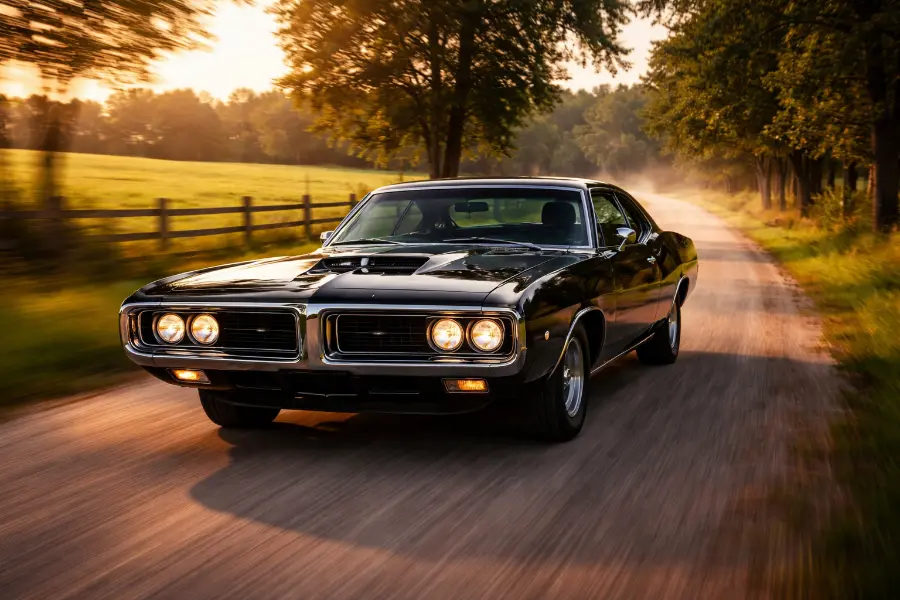
The 1971 Charger SE 440 stands as one of the most intriguing and desirable entries in the golden era of American muscle cars. At a time when performance vehicles were beginning to face tightening regulations and shifting consumer preferences, Dodge managed to deliver a model that balanced aggressive styling, luxury touches, and serious power. Today, collectors and enthusiasts alike are rediscovering the appeal of these machines, especially in rare configurations.
Among these, the elusive triple black 1971 Charger SE 440 commands special attention. Combining a black exterior, black interior, and black trim, this configuration exudes a stealthy, commanding presence that few classic cars can match. It represents not just a visual statement, but also a reflection of personalization trends that were popular among buyers of the era.
Moreover, with the legendary 440 cubic-inch V8 under the hood, the 1971 Charger SE becomes more than just a stylish cruiser it transforms into a powerful symbol of American automotive engineering. Consequently, its value in today’s collector market continues to rise, driven by rarity, performance heritage, and timeless design.
The 1971 Charger SE in Muscle Car History
The 1971 Charger SE 440 arrived during a transitional period for muscle cars. While the late 1960s were defined by raw performance, the early 1970s began shifting toward comfort and refinement. Dodge responded by enhancing the Charger lineup with more luxurious trims, including the Special Edition (SE).
The SE package elevated the Charger from a pure muscle machine to a premium grand tourer. It featured:
- Hidden headlights
- Vinyl roof styling
- Woodgrain interior accents
- Enhanced sound insulation
- Premium badging
However, despite this move toward comfort, performance was not abandoned. Buyers could still opt for powerful engines like the 440 V8, ensuring the Charger retained its muscle car DNA.
Therefore, the 1971 model year represents a unique blend of luxury and performance something that makes it particularly appealing today.
What “Triple Black” Really Means?
The term triple black refers to a car that is entirely black in three key areas:
- Exterior paint (often code TX9)
- Interior upholstery and dashboard
- Roof and trim elements (including vinyl tops if equipped)
This combination creates a cohesive, aggressive aesthetic that stands out even among classic cars. Moreover, triple black vehicles tend to age well visually, maintaining a timeless appeal.
However, triple black configurations were not as commonly ordered as lighter or more varied color combinations. Consequently, surviving examples are relatively rare, especially when paired with high-performance engines like the 440.
The Legendary 440 Engine: Power and Legacy
At the heart of the 1971 Charger SE 440 lies the iconic 440 cubic-inch V8 engine. This powerplant is widely regarded as one of the most reliable and potent engines of the muscle car era.
Key highlights include:
- Displacement: 7.2 liters
- Configuration: Big-block V8
- Carburetion: Four-barrel carburetor
- Output: حوالي 370 horsepower (gross rating)
- Strong low-end torque
Moreover, the 440 engine was known for its durability and smooth power delivery. Unlike the more temperamental HEMI engines, the 440 offered a balance of performance and practicality.
Therefore, it became a popular choice among buyers who wanted serious power without sacrificing drivability.
Design Evolution of the 1971 Charger
The 1971 model introduced a completely redesigned Charger with a more aggressive and curvaceous body. Often referred to as the “fuselage” design, it emphasized:
- Wider stance
- Sculpted body lines
- Integrated front grille
- Sleeker roofline
Additionally, the hidden headlights added a futuristic touch, enhancing the car’s road presence. The SE trim further refined this design with upscale details.
However, this redesign also marked the beginning of a shift away from the raw, boxy muscle cars of the late 1960s. Nevertheless, many enthusiasts appreciate the 1971 model for its bold styling and uniqueness.
Performance and Driving Experience
Driving a 1971 Charger SE 440 is a distinctly analog experience. Unlike modern cars filled with electronics, this machine relies on raw mechanical power and driver input.
Key performance traits include:
- Strong acceleration due to high torque
- Smooth highway cruising
- Heavier steering feel
- Noticeable body roll in corners
Moreover, the automatic transmission commonly paired with the 440 engine provides a relaxed yet powerful driving experience.
Consequently, the car excels as a grand tourer rather than a track-focused machine.
Key Specifications and Features
| Feature | Details |
|---|---|
| Engine | 440 cubic-inch V8 |
| Horsepower | ~370 hp (gross) |
| Transmission | 3-speed automatic |
| Body Style | 2-door coupe |
| Trim | Special Edition (SE) |
| Notable Features | Hidden headlights, vinyl roof, premium interior |
Rarity and Collector Appeal
The rarity of the 1971 Charger SE 440 significantly contributes to its desirability. While tens of thousands of Chargers were produced in 1971, only a small fraction were equipped with:
- The SE package
- The 440 engine
- Triple black configuration
Moreover, factory documentation and originality further increase a car’s value. Vehicles with matching numbers (original engine and transmission) are especially prized.
Therefore, collectors are willing to pay a premium for well-preserved or correctly restored examples.
Read also: 2026 Hyundai Kona Review: Stylish, Practical, but Not Sporty
Market Value and Auction Trends
The market for classic muscle cars has seen consistent growth over the past decade. The 1971 Charger SE 440 is no exception.
Current trends indicate:
- Average condition: $35,000 – $50,000
- Well-restored examples: $50,000 – $70,000
- Rare configurations (triple black): Potentially higher
Moreover, auction platforms have shown increased demand for unique color combinations and documented history.
Consequently, values are expected to continue rising, especially for rare builds.
Comparison With Other Muscle Cars
| Model | Engine | Avg Value | Popularity |
|---|---|---|---|
| 1971 Charger SE | 440 V8 | $40K–$70K | High |
| Chevelle SS (1971) | 454 V8 | $45K–$75K | Very High |
| Mustang Mach 1 (1971) | 351 V8 | $30K–$55K | High |
| Pontiac GTO (1971) | 400 V8 | $35K–$60K | Moderate |
While competitors like the Chevelle and Mustang remain iconic, the Charger stands out due to its unique styling and Mopar heritage.
Restoration vs Original Condition
When evaluating a 1971 Charger SE 440, condition plays a critical role.
Original (Survivor Cars):
- Higher authenticity
- Greater collector appeal
- Often more valuable
Restored Cars:
- Visually appealing
- Mechanically refreshed
- Value depends on quality of restoration
However, poorly restored vehicles can actually lose value. Therefore, documentation and craftsmanship are essential.
Why Classic Muscle Cars Are Increasing in Value?
Several factors are driving the appreciation of classic muscle cars:
- Limited supply
- Growing global interest
- Nostalgia among collectors
- Increasing rarity of original examples
Moreover, younger generations are entering the collector market, further boosting demand.
Therefore, vehicles like the 1971 Charger SE 440 are increasingly seen as investment-grade assets.
FAQs
What is a 1971 Charger SE worth today?
Typically between $35,000 and $70,000 depending on condition, rarity, and originality.
What does triple black mean?
It refers to a car with black exterior paint, black interior, and black trim or roof.
How powerful is the 440 engine?
The 440 V8 produces 370 horsepower and strong torque, making it highly capable.
Is it a good investment car?
Yes, especially rare configurations like triple black models with original components.
How rare is this configuration?
Very rare, particularly when combining SE trim, 440 engine, and triple black specification.