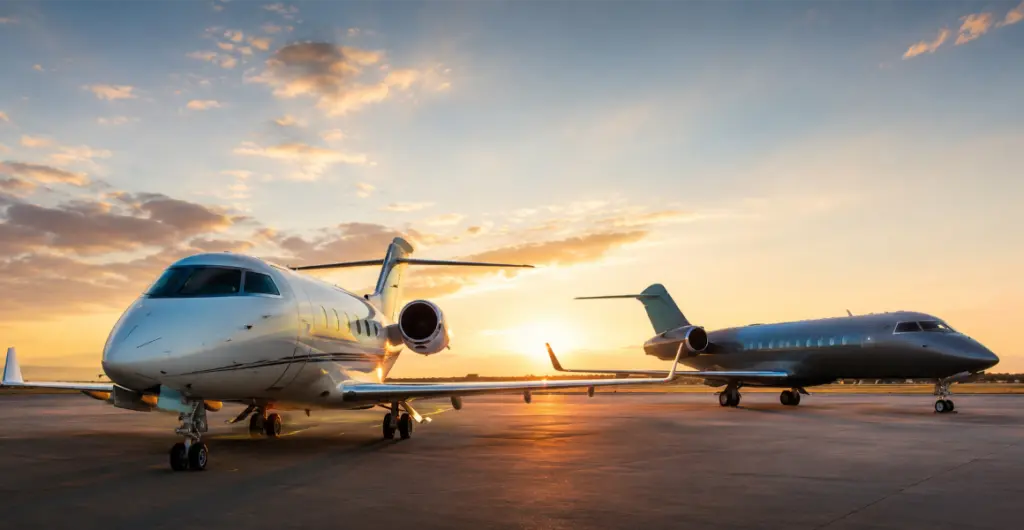
Private aviation continues to expand rapidly, driven by rising demand for flexibility, privacy, and time efficiency. In 2026, an increasing number of businesses, entrepreneurs, and high-net-worth individuals are turning to private jet charter services as a practical alternative to commercial air travel. The ability to bypass long security lines, avoid crowded terminals, and operate on personalized schedules makes private aviation especially attractive in today’s fast-paced world. As global business operations become more dynamic and time-sensitive, private jets offer a level of convenience and control that commercial airlines simply cannot match.
Understanding the Private Jet Charter Cost 2026 is essential for making informed travel decisions and preventing unexpected expenses. Unlike commercial airline tickets, private jet pricing is highly variable and influenced by multiple factors. These include the type of aircraft selected ranging from light jets to ultra-long-range jets the total flight distance, fuel costs, airport fees, crew expenses, and optional services such as in-flight catering or ground transportation. Peak travel seasons and last-minute bookings can also significantly impact pricing.
Because private jet pricing is not fixed, having a clear and detailed breakdown of costs allows travelers to plan more effectively and optimize their travel budget. By comparing options, understanding pricing structures, and choosing the right aircraft for their needs, individuals and companies can enjoy the benefits of private aviation while maintaining financial efficiency.
Private Jet Charter Pricing in 2026
The Private Jet Charter Cost 2026 typically ranges from $2,000 to $30,000+ per flight hour. Pricing depends largely on the aircraft category, size, and capabilities.
Hourly Rates by Jet Category
| Jet Category | Passengers | Range (km) | Hourly Rate (USD) |
|---|---|---|---|
| Turboprop | 6–8 | 3,000–3,500 | $2,000 – $4,500 |
| Light Jet | 5–7 | 3,000–4,000 | $4,500 – $7,000 |
| Midsize Jet | 7–9 | 4,000–5,000 | $6,000 – $8,000 |
| Super Midsize Jet | 8–10 | 5,500–6,000 | $7,500 – $9,500 |
| Heavy Jet | 10–14 | 7,000–8,000 | $8,000 – $12,000 |
| Ultra Long Range | 12–16 | 12,000+ | $12,000 – $18,000 |
| VIP Airliner | 16–80 | 15,000+ | $18,000 – $30,000+ |
Moreover, larger jets offer better comfort and longer range but come at significantly higher hourly costs.
Key Factors Affecting Private Jet Charter Cost (2026)
Understanding private jet charter costs in 2026 requires looking beyond just the hourly rate. Several variables influence the final price, and being aware of these factors can help you make smarter, more cost-efficient decisions.
1. Flight Distance and Duration
The most influential factor in private jet pricing is flight time. Charter operators typically charge on an hourly basis, meaning longer routes naturally result in higher costs.
However, it’s important to note that many providers enforce minimum billing requirements, often around two hours per day. This means even short flights may be priced at a higher baseline. Additionally, factors like routing, weather conditions, and air traffic can slightly extend flight time, further impacting cost.
2. Aircraft Type
The type of aircraft you choose plays a major role in determining the total expense.
- Light jets are more affordable and ideal for short trips with fewer passengers
- Midsize jets offer a balance of range, comfort, and cost
- Heavy jets provide maximum luxury, space, and long-range capability—but at a significantly higher price
Selecting an aircraft that matches your travel needs (rather than overbooking capacity or range) is one of the most effective ways to control costs.
3. Fuel Prices
Fuel is one of the largest operational expenses in aviation, and its price is highly volatile. Fluctuations in global fuel markets directly impact charter rates.
Even a modest increase in fuel prices can raise the total cost of a trip by thousands of dollars, especially for long-haul flights or larger aircraft. Some operators may include fuel surcharges, which can vary depending on market conditions.
4. Crew Fees
Crew-related expenses include pilot salaries, daily allowances, accommodation, and meals.
- Short, same-day trips typically involve minimal additional crew costs
- Multi-day or international trips often require overnight stays, significantly increasing expenses
In some cases, regulatory requirements may also mandate additional crew members for longer flights, further affecting pricing.
5. Airport and Landing Charges
Airports impose various fees, including landing, parking, ground handling, and security charges. These costs vary widely depending on the airport’s size, location, and level of congestion.
- Major international or premium airports generally charge higher fees
- Smaller regional airports can offer more cost-effective alternatives
Choosing alternative airports near your destination can sometimes reduce overall expenses without compromising convenience.
6. Peak Season Demand
Private jet pricing is heavily influenced by demand. During peak travel periods—such as holidays, major sporting events, or global conferences charter rates can increase significantly.
- Higher hourly rates due to demand
- Limited aircraft availability
- Increased repositioning costs
Booking well in advance is the best way to secure better pricing and ensure aircraft availability during these busy periods.
Private jet charter pricing is dynamic and influenced by multiple interconnected factors. By carefully considering flight duration, aircraft type, timing, and operational costs, travelers can optimize their budget while still enjoying the flexibility and luxury of private aviation.
Additional Costs to Consider
Beyond hourly rates, several extra charges contribute to the Private Jet Charter Cost 2026.
Common Additional Expenses
- Empty leg flights: Discounted flights when jets reposition without passengers
- Repositioning fees: Cost of moving aircraft to your departure location
- Catering: Customized meals and beverages onboard
- Ground transport: Luxury transfers to and from the airport
- Wi-Fi usage: Charged per data usage
- De-icing: Required in cold weather conditions
Moreover, these extras can significantly impact the final invoice if not planned carefully.
Private Jet Charter Cost Breakdown
| Cost Component | Estimated Range (USD) |
|---|---|
| Base hourly rate | $2,000 – $30,000+ |
| Fuel surcharge | $500 – $5,000+ |
| Landing fees | $150 – $500 |
| Crew overnight | $400 – $2,000 |
| Catering | $100 – $1,000+ |
| Ground transport | $100 – $1,000 |
| Total Estimated Cost | $5,000 – $100,000+ |
However, total costs vary widely depending on trip complexity and customization.
Trends Shaping Private Jet Costs in 2026
The Private Jet Charter Cost 2026 is influenced by evolving industry trends.
1. Increased Demand
Private aviation demand remains strong post-pandemic.
- Business travelers prioritize time efficiency
- Leisure travelers seek exclusivity
Consequently, higher demand keeps prices elevated.
2. Sustainability Costs
Operators are investing in sustainable aviation fuel (SAF) and carbon offset programs.
- Environment-friendly initiatives increase operational costs
- Passengers may pay additional sustainability fees
3. Digital Booking Platforms
Online charter platforms are transforming the booking process.
- Transparent pricing
- Faster quotes
- Competitive rates
Therefore, customers now have better access to cost comparisons.
4. Flexible Membership Programs
Many providers offer subscription-based models.
- Fixed hourly rates
- Reduced brokerage fees
These programs can lower long-term travel costs.
How to Optimize Your Private Jet Costs?
To manage the Private Jet Charter Cost 2026, consider the following strategies:
- Book early to avoid peak pricing
- Choose the right aircraft size
- Use empty leg opportunities
- Be flexible with travel dates
- Limit unnecessary add-ons
Moreover, working with a reputable broker ensures transparent pricing and better deals.
Benefits of Private Jet Travel
Despite the cost, private aviation offers unmatched advantages:
- No airport queues or delays
- Flexible scheduling
- Personalized onboard experience
- Access to remote airports
- Enhanced privacy and security
Therefore, many travelers view it as a valuable investment rather than an expense.
Frequently Asked Questions
1. How much does a private jet cost per hour in 2026?
Hourly rates range from $2,000 for turboprops to over $30,000 for VIP airliners.
2. What is the cheapest private jet option?
Turboprops and light jets are the most affordable, ideal for short-distance travel.
3. Are empty leg flights cheaper?
Yes, empty leg flights can be up to 75% cheaper than standard charter rates.
4. What additional fees should I expect?
Expect fuel surcharges, landing fees, crew costs, catering, and ground handling charges.
5. Is private jet travel worth the cost?
For time-sensitive or luxury travel, the benefits often justify the expense.